 English
 русский
 Español

Investing in a scrap metal baler machine is the most effective strategy for recycling facilities and manufacturing plants to drastically reduce storage space, lower transportation costs, and increase the overall value of loose metal waste. By compressing scattered, voluminous scrap into highly dense, uniform blocks, these machines transform an unmanageable byproduct into a lucrative, easily tradable commodity. For any operation dealing with consistent metal waste, a baler is not merely an optional accessory but a fundamental necessity for maintaining profitability and operational efficiency.
Content
- 1 Core Working Principles of Metal Balers
- 2 Major Financial and Operational Advantages
- 3 Categorising Balers by Operational Design
- 4 Suitable Materials for Baling Operations
- 5 Essential Considerations Before Purchasing
- 6 Maintenance Protocols for Longevity
- 7 Safety Standards and Operator Training
- 8 Future Trends in Baling Technology
Core Working Principles of Metal Balers
Understanding the mechanical logic behind a scrap metal baler machine helps operators maximise its potential. The entire process relies on the application of extreme hydraulic pressure to overcome the structural integrity of various metals. When loose scrap is fed into the compression chamber, a powerful hydraulic cylinder drives a ram forward. This ram pushes the metal against a fixed end plate, squeezing out the air and forcing the materials together. The friction and pressure cause the metal to deform permanently, locking into a solid block.
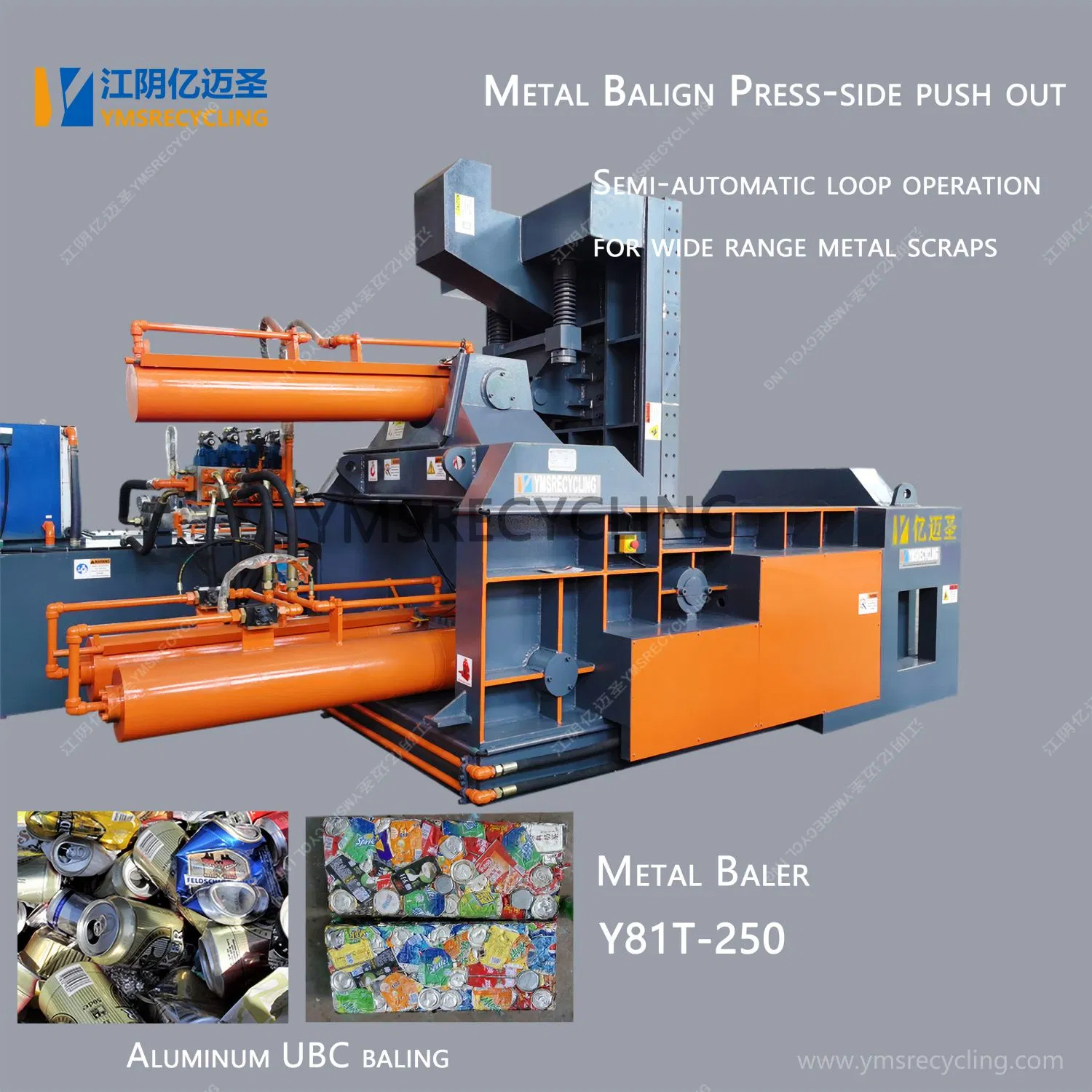
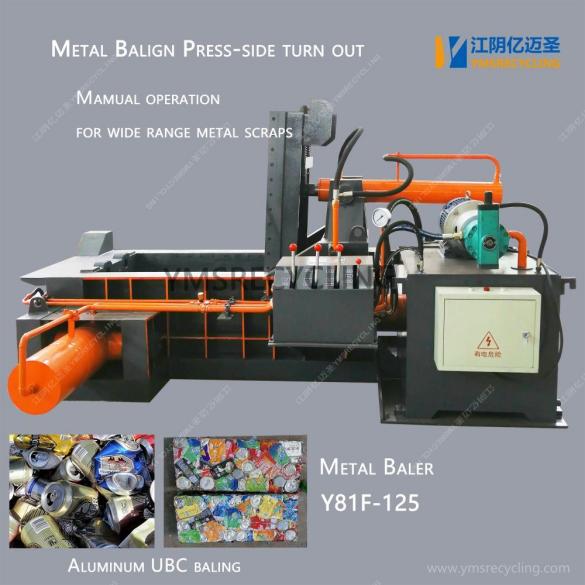
Most industrial balers operate on a three-cylinder design. The main cylinder provides the primary compressive force for the length of the block. A side cylinder compresses the material from the width, and a top lid cylinder pushes down to compress the height. This multi-directional force ensures that even fluffy, irregular scrap like turnings or shredded sheet metal is compacted into a neat cube. Once the desired density is reached, the machine automatically or manually ties the block using steel wire, and the bale is ejected onto a conveyor or waiting collection area.
Hydraulic System Dynamics
The hydraulic power unit is the heart of the machine. It consists of a high-capacity motor, a variable displacement pump, and a complex network of valves. The system is designed to generate immense force—often translating high fluid pressure into hundreds of tons of pushing power at the ram. To handle the stress of compressing tough materials like steel or titanium, the hydraulic oil is continuously circulated through heat exchangers to maintain optimal viscosity. If the oil overheats, it loses its ability to transmit force efficiently, which is why modern balers incorporate advanced cooling systems that allow for continuous, multi-shift operations without performance degradation.
Major Financial and Operational Advantages
The primary motivation for acquiring a scrap metal baler machine is the substantial return on investment it delivers through several interconnected operational improvements. The benefits extend far beyond simple space-saving, impacting the very economics of the recycling or manufacturing process.
Transportation Cost Reduction
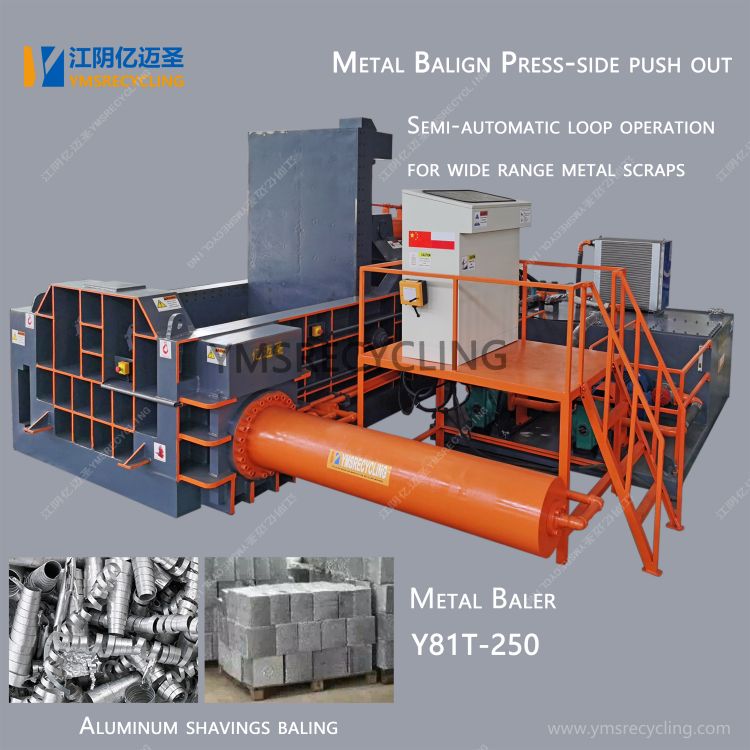
Loose scrap metal is notoriously inefficient to transport. A standard shipping container filled with unbaled light metal scrap might only contain a few tons of actual material because the rest of the space is occupied by air. By using a baler to compress this material, the density can be increased dramatically. For instance, loose aluminium shavings might weigh very little per cubic meter, but when baled, that same volume can weigh significantly more. This increased density allows trucks and shipping containers to reach their maximum weight capacity, effectively reducing the transportation cost per ton of material by a substantial margin. Over a year of operations, the savings on fuel, driver hours, and vehicle wear can easily offset the initial purchase price of the equipment.
Maximising Scrap Yard Revenues
Foundries and steel mills purchase scrap metal based on weight and purity, but they heavily penalise suppliers who deliver loose, contaminated material. Loose scrap takes longer to load into furnaces, requires more handling equipment, and can pose safety hazards. Baled metal, on the other hand, is a premium product. It can be easily counted, weighed, and loaded using overhead cranes. Because the material is compressed, there is less surface area exposed to oxidation, keeping the metal cleaner. Recyclers consistently pay a higher price per ton for baled metal compared to loose scrap, directly boosting the seller's profit margins.
Workplace Safety and Environmental Compliance
Piles of loose scrap metal present numerous hazards. Sharp edges can cause severe lacerations, and unstable piles can collapse, endangering workers. Furthermore, loose metal can harbour flammable cutting fluids or oils, creating a fire risk. Baling contains these hazards by trapping sharp edges inside a dense block and squeezing out excess fluids, which can then be collected and recycled or disposed of safely. From a regulatory standpoint, compact storage reduces the footprint of the waste area, making it easier to implement spill containment measures and comply with local environmental regulations regarding stormwater runoff and hazardous material storage.
Categorising Balers by Operational Design
Not all recycling operations have the same spatial constraints or volume requirements. Consequently, the market offers several distinct configurations of scrap metal baler machines, each engineered for specific scenarios.
Vertical Balers for Limited Spaces
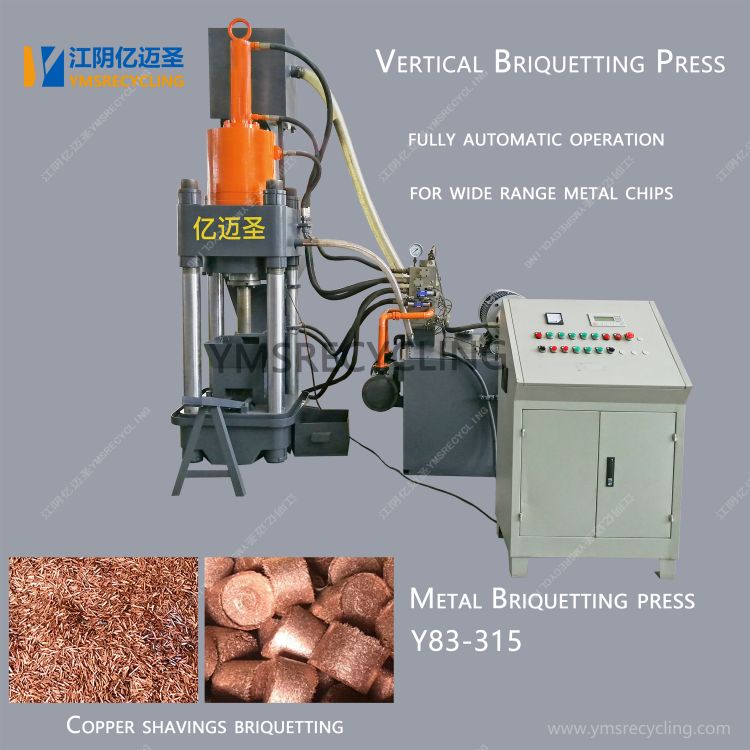
Vertical balers process material from the top down. The operator loads the scrap into a top-opening chamber, and a single downward-moving ram compresses it. These machines have a notably small footprint, making them ideal for machine shops, automotive repair centres, and small manufacturing facilities where floor space is at a premium. While they are generally slower than horizontal models and require manual tying, their lower initial cost and ease of operation make them highly popular for operations generating low to medium volumes of lighter metals like aluminium cans, copper wire, and thin sheet metal.
Horizontal Balers for High-Volume Processing
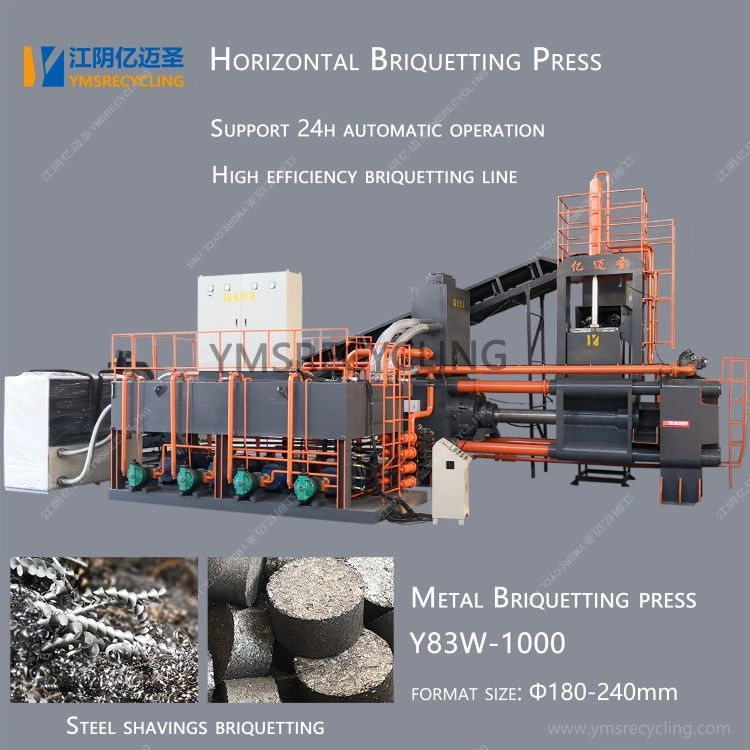
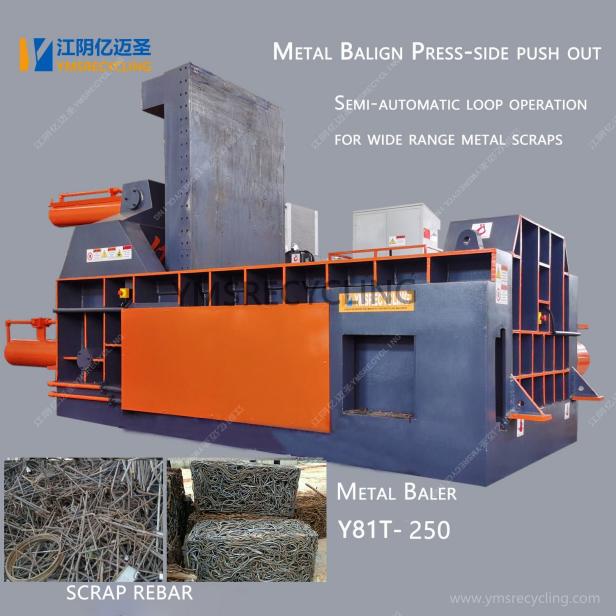
Horizontal balers are the workhorses of large-scale recycling yards and massive industrial plants. Material is fed into the compression chamber from the side, usually via a heavy-duty conveyor belt or a grapple loader. These machines feature automated feeding, compression, and tying mechanisms, allowing them to run continuously with minimal human intervention. They are capable of producing massive bales weighing tons each. Horizontal balers are essential when dealing with heavy industrial scrap, structural steel, and large volumes of sheet metal, as their robust construction can withstand the extreme forces required to compress such dense materials.
Three-Cylinder Balers for Specialised Scrap
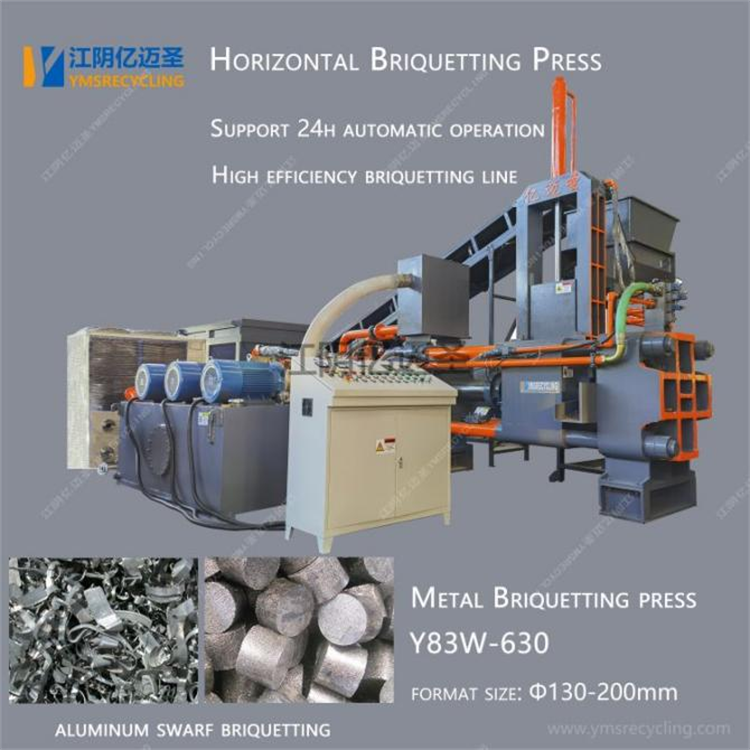
When dealing with highly elastic or fluffy scrap, such as metal turnings from CNC machines, stamping scrap, or shredded vehicles, standard two-dimensional compression is often insufficient. The metal simply springs back when the pressure is released. Three-cylinder balers solve this by applying simultaneous pressure from the top, side, and main ram. This multi-axis compression permanently deforms the metal chips or shreds, locking them into a solid block that will not expand. This specialised design is crucial for machining operations that need to recycle their expensive cutting waste, such as titanium or high-grade aluminium turnings.
Suitable Materials for Baling Operations
A scrap metal baler machine is highly versatile, but different materials require different pressure settings and chamber sizes to achieve optimal results. Understanding the behaviour of various metals under pressure is key to efficient operation.
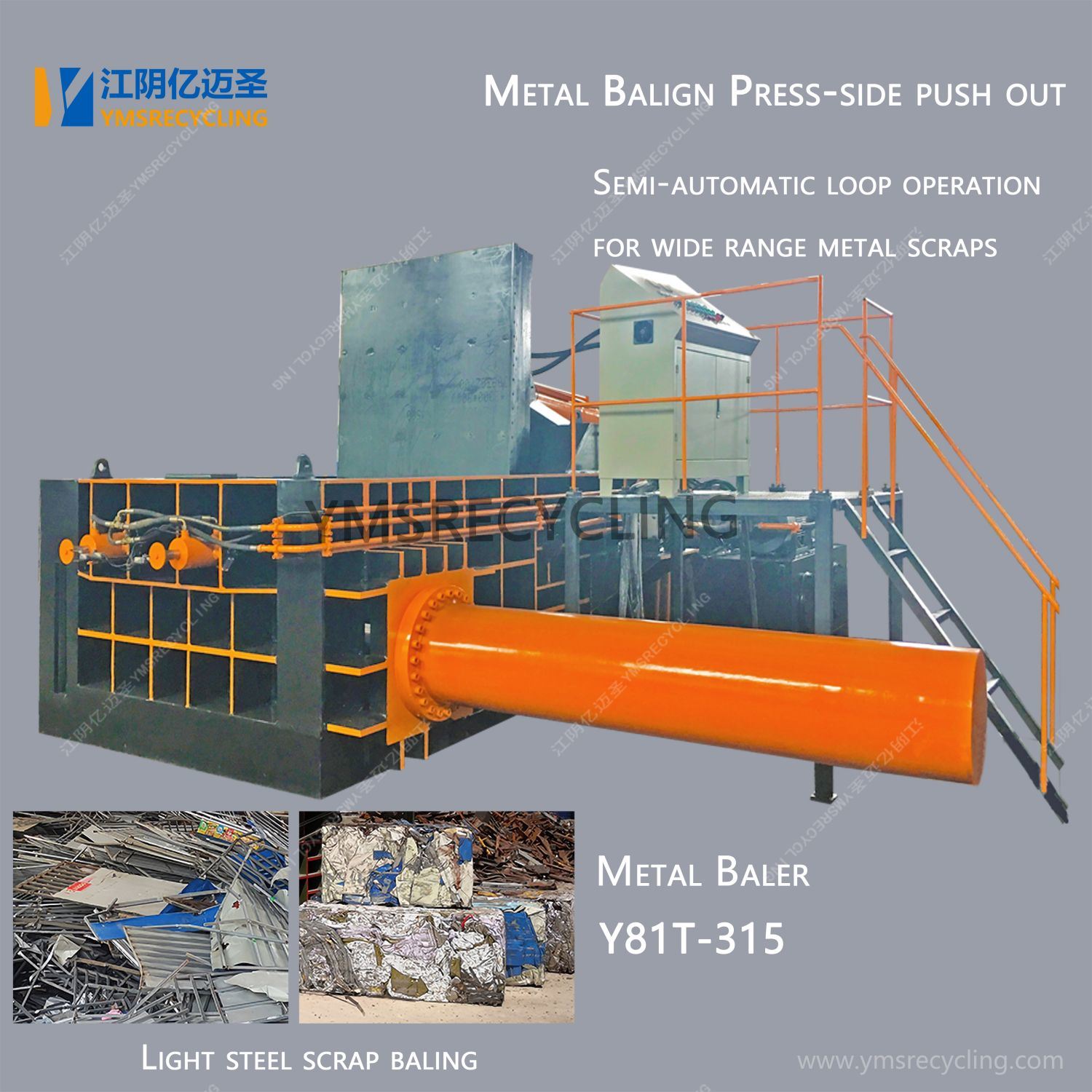
- Light Iron and Steel: Includes thin sheet metal, car bodies, and structural offcuts. This material is relatively easy to compress and yields heavy, dense bales that are highly sought after by steel mills.
- Non-Ferrous Metals: Aluminum, copper, and brass are highly valuable but often come in bulky forms like extrusions, radiators, or cables. Baling these materials increases their density significantly, making them much easier to melt down in foundries.
- Metal Borings and Turnings: The stringy, chip-like waste produced by lathes and milling machines. Without a specialised three-cylinder baler, this material takes up an astronomical amount of space and is nearly impossible to transport efficiently.
- Steel Drums and Containers: Empty industrial drums take up massive amounts of space. A baler can easily crush and compact these into flat, dense blocks, preparing them for safe steel recycling.
| Material Type | Typical Form | Compression Difficulty | Recommended Baler Type |
|---|---|---|---|
| Light Steel | Sheet metal, car parts | Low to Medium | Horizontal |
| Aluminum | Extrusions, cans, thin sheets | Low | Vertical or Horizontal |
| Copper / Brass | Wire, pipes, solid chunks | Medium to High | Heavy-Duty Horizontal |
| Metal Turnings | CNC chips, boring shavings | High (Elastic) | Three-Cylinder |
Essential Considerations Before Purchasing
Selecting the right scrap metal baler machine requires a thorough assessment of current and future operational needs. A machine that is too small will create a bottleneck, while an oversized machine represents a waste of capital and energy. Facility managers must evaluate several critical factors to ensure a successful integration.
Evaluating Throughput Requirements
The most crucial metric is the volume of scrap generated per shift or per day. It is vital to look at future projections as well. If a manufacturing plant is planning to add a new production line, the baler must be able to handle the increased capacity. A general rule of thumb is to select a baler that can handle at least twenty per cent more volume than current peak production generates, ensuring the machine does not become a limiting factor during high-output periods. Analysing waste streams over a prolonged period provides a much more accurate picture than relying on a single week of data.
Power Supply and Infrastructure
Industrial balers require substantial electrical power. A heavy-duty horizontal baler might require a dedicated high-voltage power supply, which could necessitate expensive upgrades to a facility's electrical grid. Before purchasing, an electrician should assess the available power and ensure the panel can handle the motor's startup surge, which is often much higher than the running amperage. Additionally, the facility must have adequate ceiling height to accommodate the machine, especially vertical balers, and reinforced concrete floors to support the extreme weight of the equipment and the scrap being processed.
Feeding and Ejection Logistics
How the scrap gets into the machine, and how the bales get out, dictates the true efficiency of the system. If an operation uses wheel loaders to dump scrap, the baler needs a large, reinforced hopper that can withstand the impact of heavy loads. If the scrap is light and conveyed, an integrated belt conveyor is necessary. On the ejection side, facilities must determine if bales will roll out onto the floor, be pushed onto a chain conveyor, or be extracted by an overhead crane. Designing a smooth, continuous flow of material in and out is just as important as the compression force of the baler itself.
Maintenance Protocols for Longevity
A scrap metal baler machine operates under extreme mechanical and thermal stress. Neglecting maintenance will inevitably lead to catastrophic failures, expensive downtime, and shortened equipment lifespan. Establishing a rigorous, proactive maintenance schedule is non-negotiable for heavy industrial equipment.
Hydraulic Fluid Management
The hydraulic oil is the lifeblood of the system. It must be checked daily for volume and condition. Over time, the intense pressure and friction generate microscopic metal particles that contaminate the oil. If these particles are not filtered out, they act like sandpaper, destroying pump vanes and scoring cylinder walls. Replacing hydraulic filters at the intervals recommended by the manufacturer and performing a complete oil analysis annually can prevent the vast majority of premature hydraulic system failures. Furthermore, operators must be trained to recognise the signs of degraded oil, such as a dark, milky appearance or a burnt smell, and shut down the machine immediately to prevent further damage.
Wear Part Inspection and Replacement
Certain components of a baler are designed to wear out and be replaced. The wear plates on the sides and bottom of the compression chamber take the brunt of the friction as metal is pushed against them. The shear blade, which cuts off excess material before the bale is ejected, dulls over time and can cause jams if not maintained. Operators should inspect these parts weekly, measuring their thickness to track wear rates. Keeping an inventory of critical wear parts on-site ensures that replacements can be made immediately during scheduled downtime, rather than waiting days for parts to arrive while the machine sits idle.
Electrical and Safety System Checks
Modern balers rely heavily on programmable logic controllers and a vast array of sensors, limit switches, and safety interlocks. A faulty limit switch can cause the ram to overtravel, damaging the machine structure. A bypassed safety gate switch puts operators at extreme risk of crushing injuries. Maintenance personnel must regularly test all emergency stop buttons, light curtains, and gate interlocks to ensure they function flawlessly. Electrical connections should be inspected for tightness, as the constant vibration of the machine can loosen terminals, leading to overheating and potential electrical fires.
Safety Standards and Operator Training
Operating a scrap metal baler machine inherently involves risks associated with high pressure, heavy moving parts, and sharp materials. A strong safety culture, backed by strict protocols, is the only acceptable way to manage these hazards. Accidents involving balers are often severe, making prevention the absolute priority.
Machine Guarding and Interlocking
No baler should ever be operated with safety guards removed or interlocks bypassed. The compression chamber and the area around the ram are strictly off-limits during operation. Access doors must be equipped with heavy-duty electrical interlocks that immediately cut power to the hydraulic pump and apply braking to the ram the moment a door is opened. Light curtains, which create an invisible safety grid using infrared beams, are increasingly used to shut down the machine instantly if a hand or body part breaches the danger zone, providing an extra layer of protection beyond physical gates.
Safe Material Handling Practices
Many injuries associated with balers do not happen inside the machine, but during the feeding process. Operators must be trained to inspect scrap before loading it. Materials that can act like springs, such as long rods or coiled wire, can eject violently when compressed. Gas cylinders, sealed containers, or flammable materials mixed into the scrap can explode under pressure, turning the baler into a deadly bomb. Strict sorting protocols must be enforced to ensure only approved materials enter the hopper. Furthermore, operators must use appropriate personal protective equipment, including heavy-duty cut-resistant gloves, safety glasses, and steel-toed boots, at all times when working near the machine.
Lockout and Tagout Procedures
Whenever maintenance is performed, or a jam needs to be cleared, the machine must be completely de-energised using a strict Lockout/Tagout procedure. This involves physically shutting off the main electrical disconnect and placing a padlock on it so it cannot be turned on by anyone else. A tag is attached identifying the worker who applied the lock and the reason for the shutdown. Any residual hydraulic pressure in the cylinders must also be safely relieved before anyone attempts to access the compression chamber. Strict adherence to Lockout/Tagout protocols is universally recognised as the single most effective measure to prevent fatal crushing injuries in industrial recycling environments.
Future Trends in Baling Technology
The recycling industry is evolving rapidly, driven by environmental regulations and the need for greater efficiency. Scrap metal baler machines are at the forefront of this technological evolution, integrating advanced systems that make them smarter, greener, and more productive.
Automation and Smart Sensors
The integration of smart technology is transforming the baler from a brute-force machine into an intelligent processing node. Advanced sensors can now monitor the density of the bale in real-time, automatically adjusting the number of compression strokes to ensure every bale meets exact weight specifications without wasting energy on over-compression. Vision systems mounted above the hopper can identify unbaled objects or dangerous materials, automatically halting the conveyor before a jam or explosion occurs. This level of automation reduces the reliance on operator experience, minimizes human error, and keeps the machine running at optimal efficiency around the clock.
Energy Efficiency Innovations
Historically, balers have been massive energy consumers, often running large hydraulic pumps continuously regardless of whether the ram is moving. Newer machines are incorporating variable frequency drives that precisely match the motor speed and pump output to the actual demand of the compression cycle. When the ram is idle or moving slowly, the drive slows the motor, consuming only a fraction of the power. Additionally, regenerative hydraulic circuits are being developed that capture the energy released when the ram retracts, storing it hydraulically or electrically to assist the next forward stroke. These innovations significantly reduce the carbon footprint of the recycling process and drastically lower monthly utility bills.
Advanced Wire Tying Systems
The method used to secure the baled metal is also seeing significant improvements. Traditional manual tying is slow and puts operators at risk of hand injuries. Modern automatic tying systems can thread, twist, and cut heavy-gauge steel wire in seconds, without any human intervention. Furthermore, some advanced machines are moving away from wire entirely, utilizing specialized strapping materials or even a process called auto-welding, where the extreme pressure and friction temporarily forge the outer layers of the metal together, eliminating the need for secondary fasteners altogether. This not only speeds up the cycle time but also reduces the contamination of the scrap melt by foreign wire materials.