 English
 русский
 Español

Scrap metal processing equipment is the core infrastructure of the circular metal economy, which can realize the efficient sorting, crushing, cleaning, briquetting, and smelting pretreatment of waste metal materials. High-quality complete sets of equipment can increase the recycling utilization rate of scrap metal by more than 90%, reduce energy consumption in the smelting process, and create considerable economic and environmental benefits for recycling enterprises. The reasonable selection, standardized operation, and regular maintenance of equipment directly determine the production efficiency, product quality, and operational safety of the entire scrap metal processing production line.
In the global industrial recycling system, scrap metal processing equipment has evolved from single mechanical equipment to automated and intelligent integrated production lines. It adapts to the recycling needs of various metal scraps such as steel, aluminum, copper, stainless steel, and mixed metals, and solves the problems of low manual processing efficiency, high labor intensity, and difficult material classification in traditional recycling modes. For recycling and processing enterprises, investing in professional scrap metal processing equipment is not only a necessary measure to meet environmental protection standards, but also a core strategy to enhance market competitiveness and achieve long-term stable development.
Content
- 1 Classification and Core Functions of Scrap Metal Processing Equipment
- 2 Working Principles and Technical Characteristics of Key Equipment
- 3 Application Scenarios of Scrap Metal Processing Equipment
- 4 Comparison of Advantages and Disadvantages of Different Types of Equipment
- 5 Operational Specifications and Safety Management of Equipment
- 6 Equipment Maintenance and Service Life Management
- 7 Development Trends of Scrap Metal Processing Equipment
- 8 Guidance on Equipment Selection for Recycling Enterprises
- 9 Economic and Environmental Benefits of Scrap Metal Processing Equipment
Classification and Core Functions of Scrap Metal Processing Equipment
Scrap metal processing equipment covers the entire process from raw material collection to finished product output, and each type of equipment has a unique functional positioning. According to the processing flow, it can be divided into five major categories, and each category undertakes key tasks in different links.
Sorting and Separation Equipment
Sorting is the first step of scrap metal processing, which aims to separate different types of metals, non-metallic impurities and hazardous substances. This type of equipment uses physical principles such as magnetism, gravity, and eddy current to achieve high-precision material separation, laying a foundation for subsequent processing.
- Magnetic separators: Efficiently separate ferrous metals such as steel and iron from non-ferrous metals and waste, with a sorting accuracy of over 95%
- Eddy current separators: Specialized in separating non-ferrous metals like aluminum, copper, and zinc from mixed waste, suitable for fine particle materials
- Air and gravity separators: Remove light impurities such as plastic, rubber, and paper from scrap metal through wind force and density difference
Crushing and Shredding Equipment
Crushing equipment is the core processing machinery, which reduces the volume of large scrap metal and improves the uniformity of materials. The processing capacity of industrial-grade shredders can reach dozens of tons per hour, which greatly improves the processing efficiency of bulky scrap such as old cars, scrap steel structures, and waste household appliances.
- Metal shredders: Divided into single-shaft, double-shaft, and four-shaft models, suitable for crushing various hard and soft scrap metals
- Hammer crushers: Mainly used for brittle scrap metal, with fast crushing speed and uniform particle size
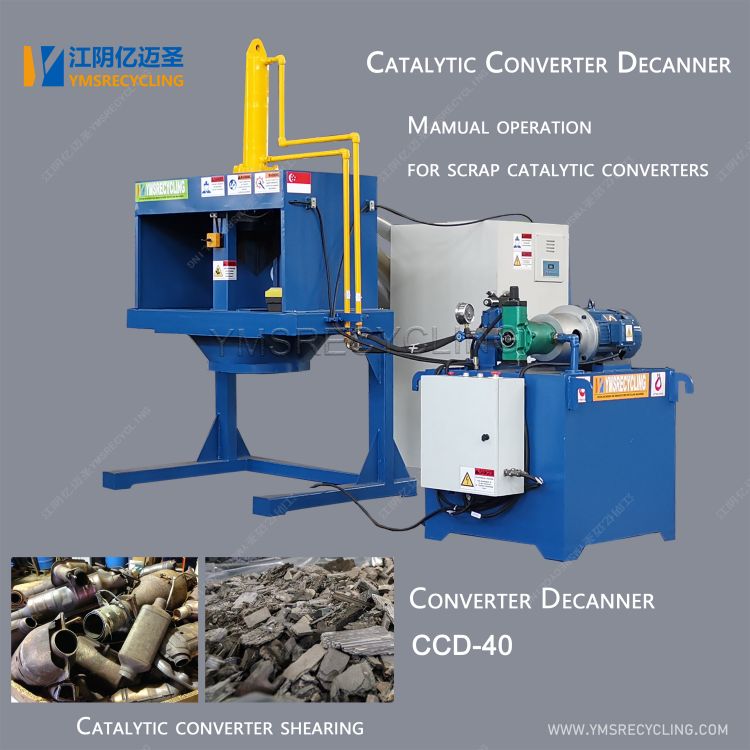
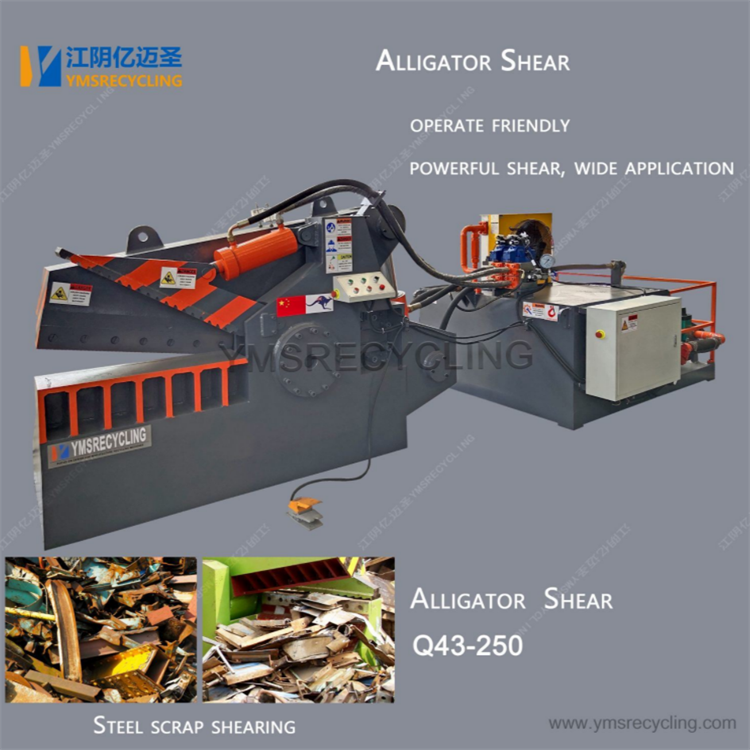
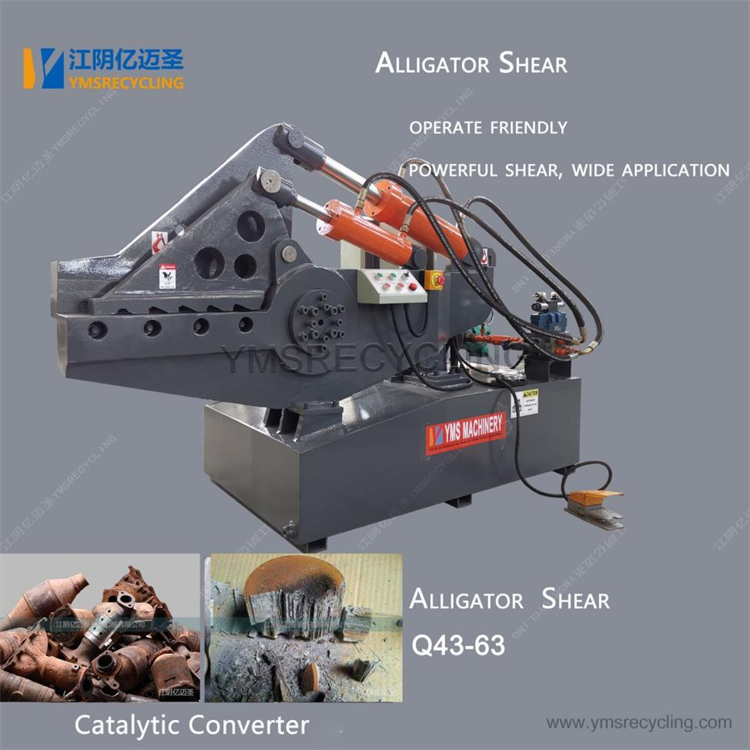
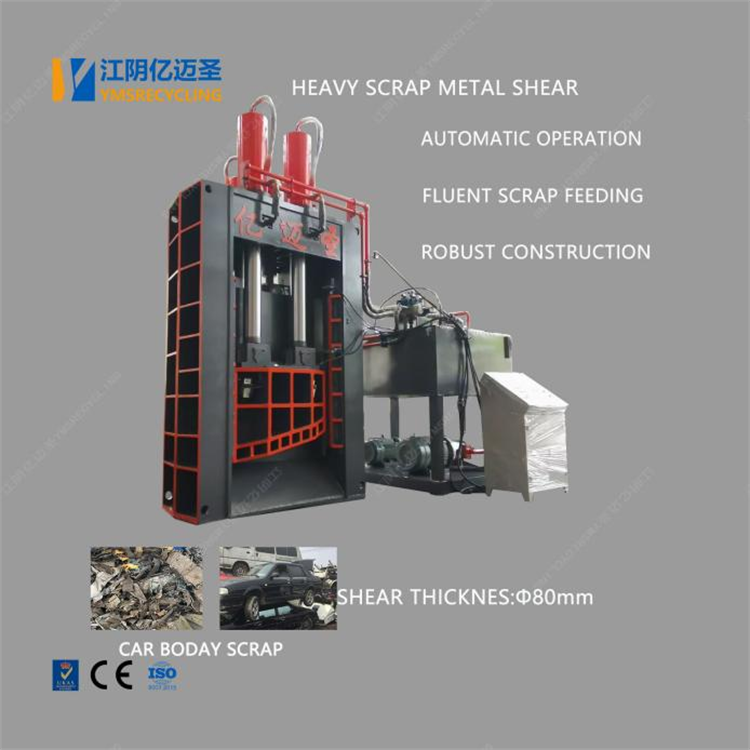
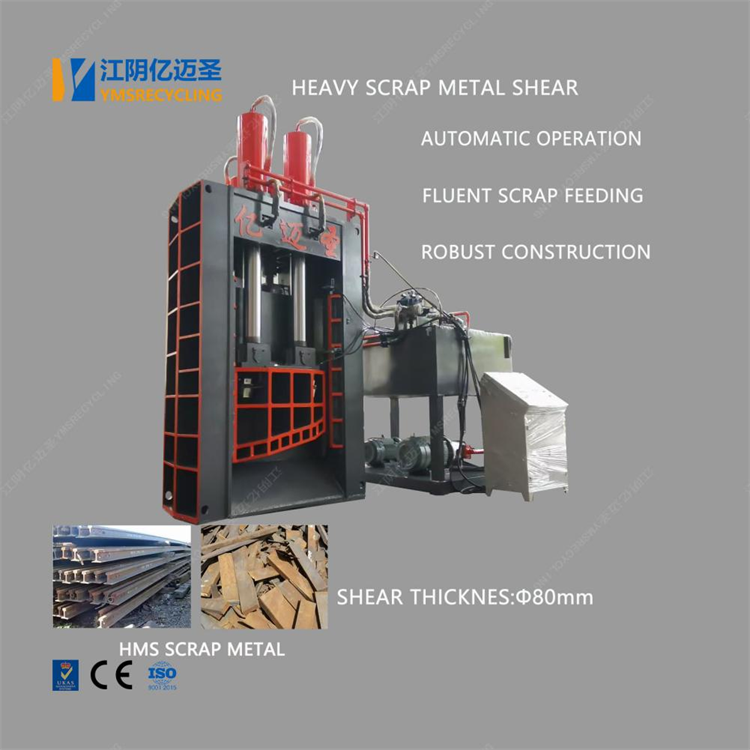
- Shearing machines: Cut large steel plates, profiles, and pipes into small pieces, convenient for storage and transportation
Cleaning and Purification Equipment
After crushing, scrap metal will carry oil, paint, dust, and other impurities, and cleaning equipment can remove these attachments to improve the purity of recycled metals. This link is critical for the smelting of high-quality recycled metal products.
- Washing machines: Use water or cleaning agents to remove surface impurities, widely used in copper and aluminum scrap processing
- Thermal cleaning equipment: Remove organic impurities through high-temperature pyrolysis, suitable for metal scraps with serious pollution
- Drying equipment: Dry the cleaned metal particles to prevent rust and facilitate subsequent processing
Briquetting and Molding Equipment
Scrap metal chips and fine particles have a loose texture and a large storage space. Briquetting equipment compresses these materials into dense blocks, which can reduce transportation costs by 30%-50% and improve smelting efficiency.
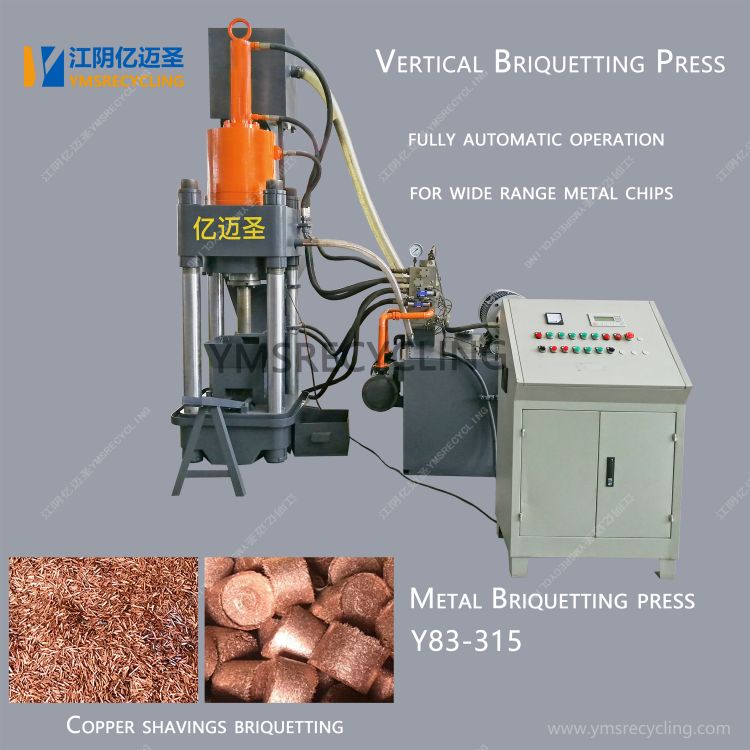
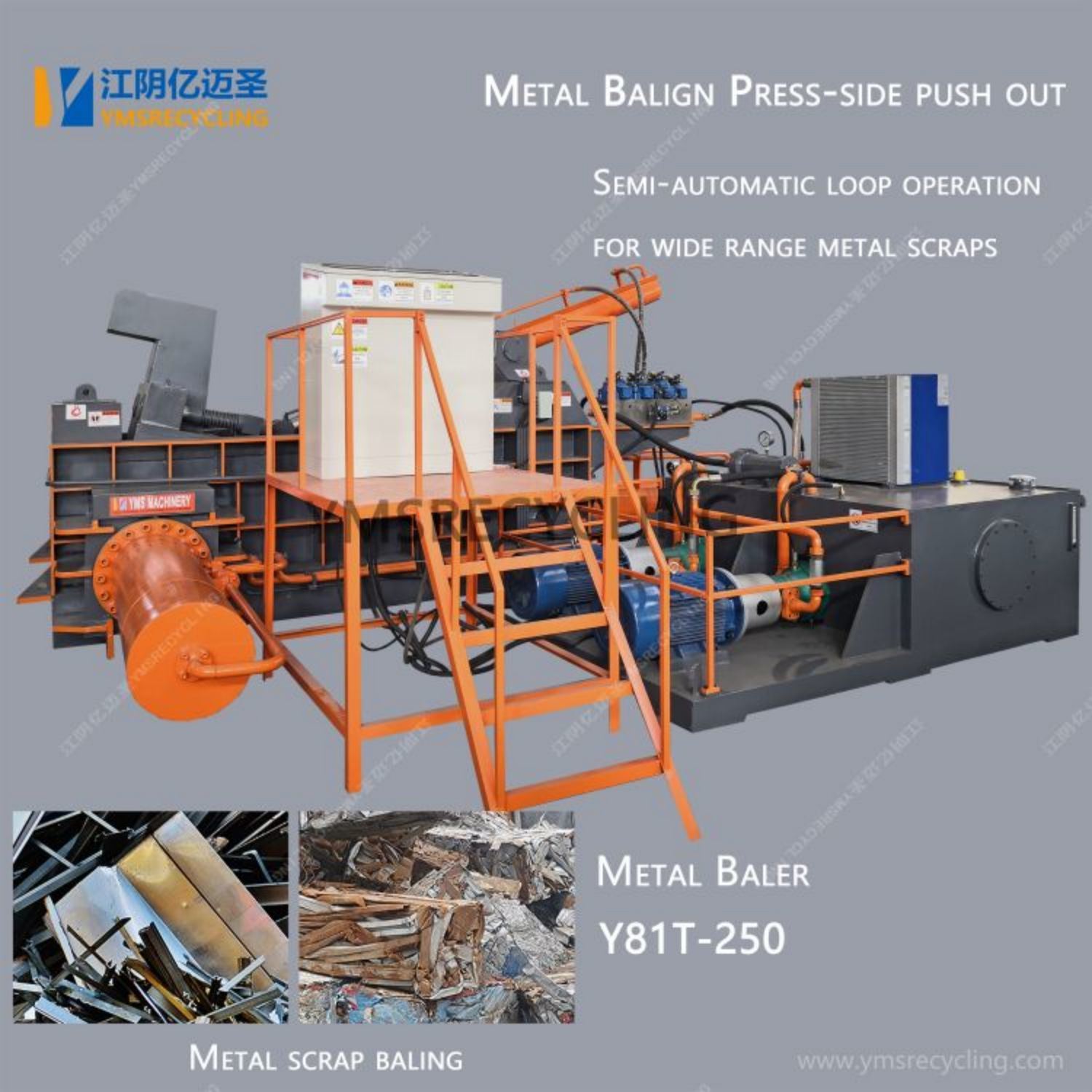
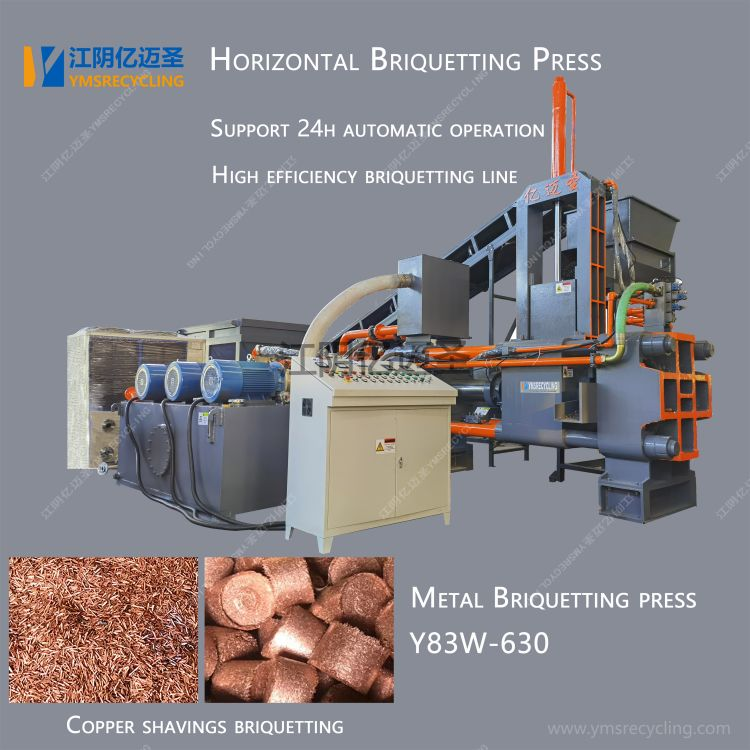
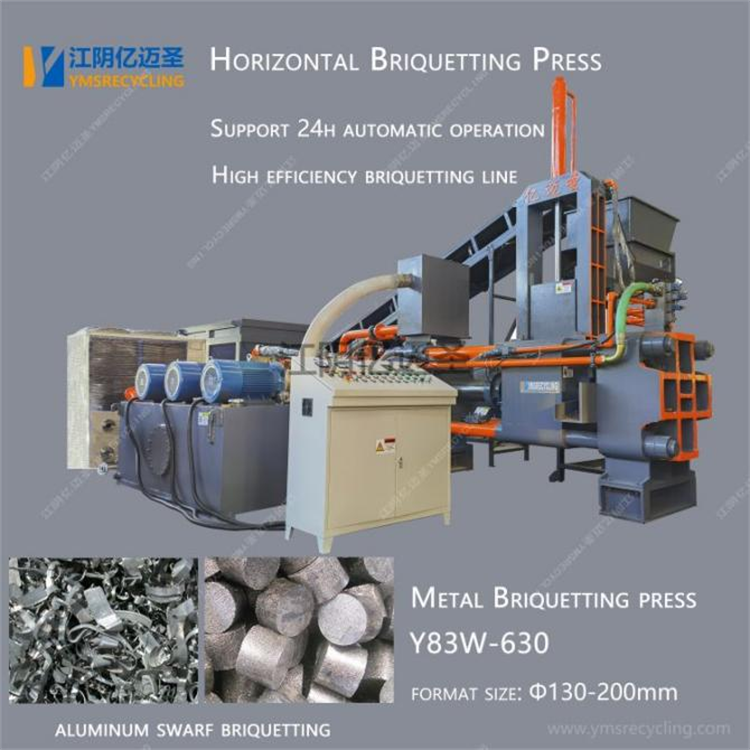
- Metal briquetting machines: Hydraulic-driven, compress scrap iron, aluminum, and copper chips into high-density blocks
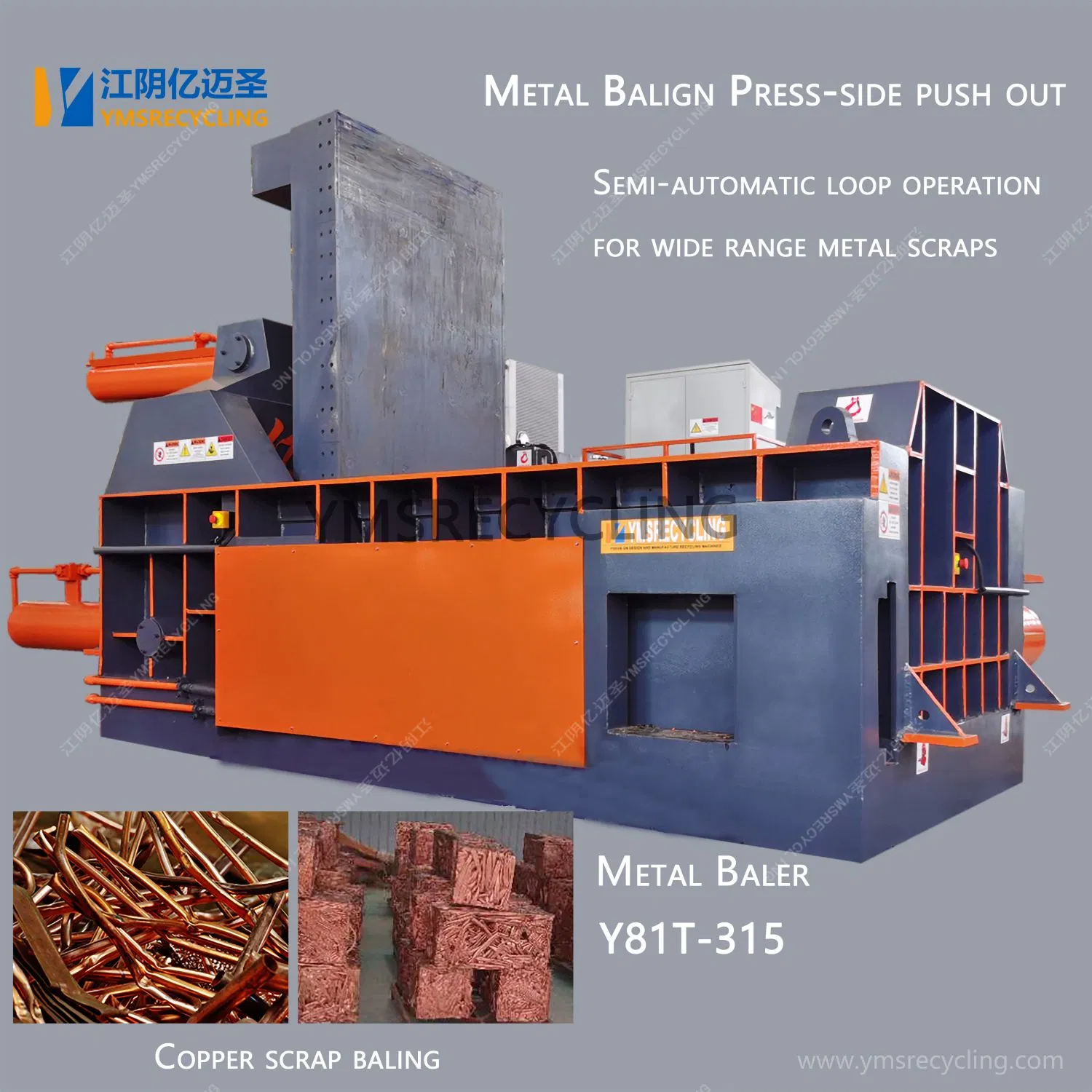
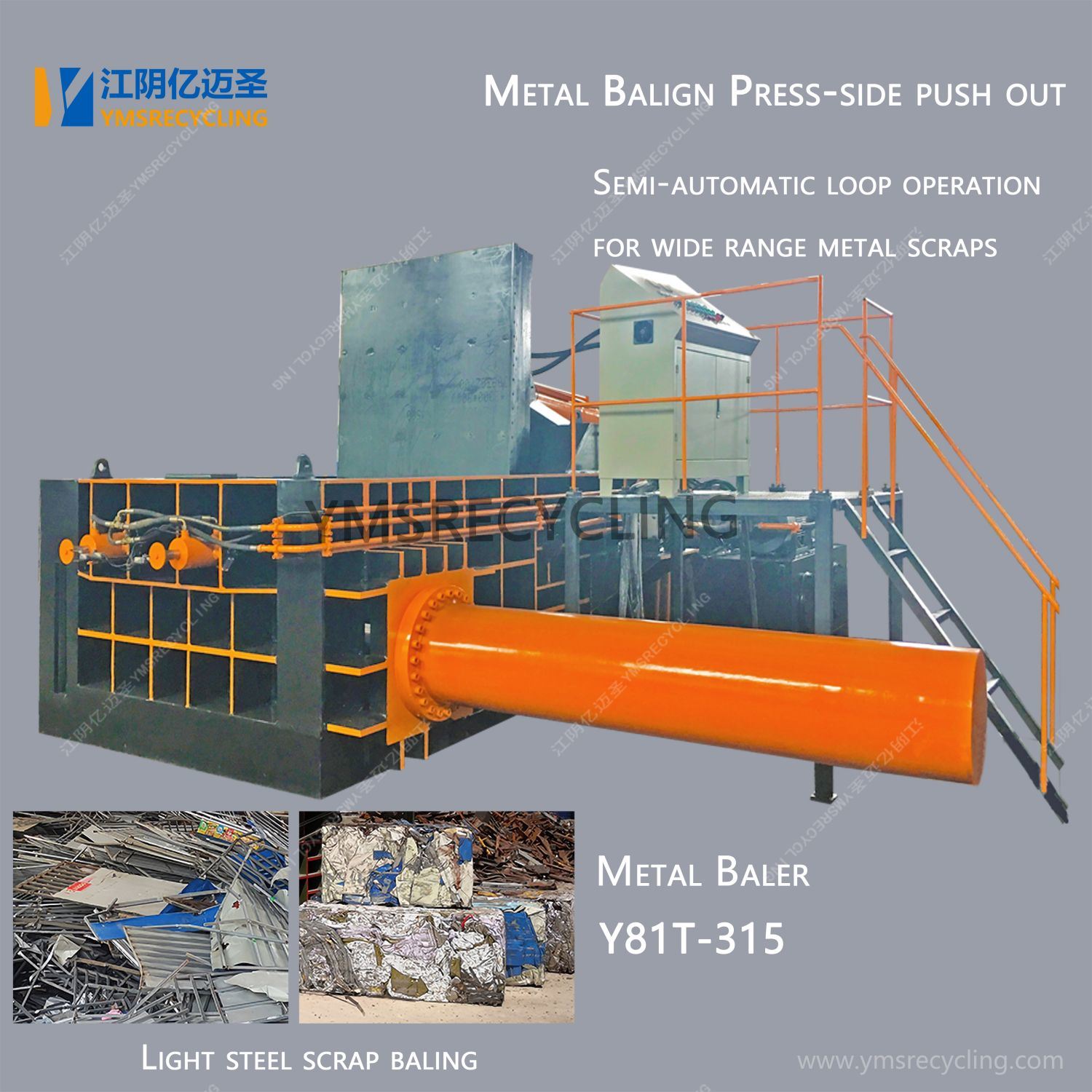
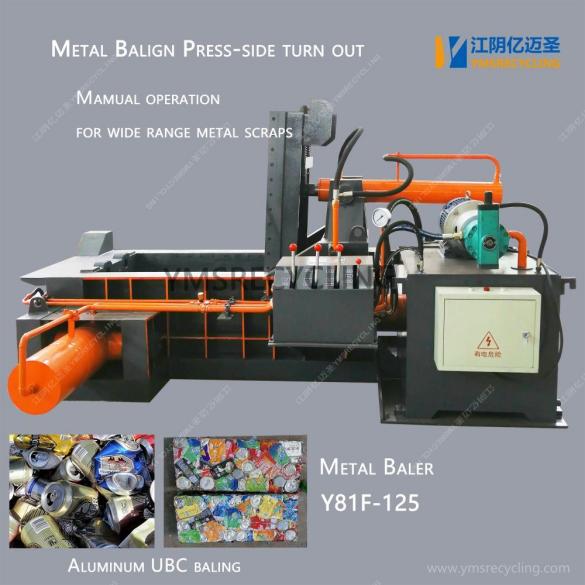
- Baling presses: Used for light and thin scrap metal, such as aluminum cans and steel cans, compacting and packaging in batches
Smelting Pretreatment and Auxiliary Equipment
Auxiliary equipment supports the stable operation of the entire production line, including conveying, dust removal, noise reduction, and electrical control systems. Dust removal equipment is essential to meet environmental protection requirements, which can collect more than 98% of metal dust generated during processing.
Working Principles and Technical Characteristics of Key Equipment
Understanding the working principles of scrap metal processing equipment helps enterprises select matching models according to their own production needs. Different equipment adopts different mechanical and physical principles, and has unique technical advantages in practical application.
Working Principle of Metal Shredders
The metal shredder relies on the high-speed rotation of the cutter head to tear, squeeze, and shear the scrap metal. The double-shaft shredder uses two sets of mutually meshing cutters, which have a strong tearing force and are suitable for bulky and hard scrap. The low-speed and high-torque design reduces equipment wear and energy consumption, and extends the service life of vulnerable parts. During operation, the equipment can automatically adjust the speed according to the hardness of the material, ensuring stable and efficient operation.
Working Principle of Eddy Current Separators
The eddy current separator generates a high-frequency alternating magnetic field through the internal rotor. When non-ferrous metals pass through the magnetic field, induced eddy currents are generated inside, which generate a repulsive force with the magnetic field, thus throwing non-ferrous metals out of the material flow and separating them from non-metallic materials. This equipment has no contact with materials, a low failure rate, and can realize continuous separation of fine non-ferrous metal particles.
Technical Characteristics of Hydraulic Briquetting Machines
The hydraulic briquetting machine uses hydraulic oil as the power source, and applies huge pressure to the scrap metal through the cylinder. The pressure of industrial models can reach hundreds of tons, compressing loose metal chips into dense blocks with a density close to solid metal. The equipment has a high degree of automation, can realize automatic feeding and discharging, and only needs one person to operate, saving labor costs.
Intelligent Technical Features of Modern Equipment
Modern scrap metal processing equipment is integrated with intelligent control systems, equipped with sensors and PLC programming controllers. The intelligent system can monitor the operating status, temperature, current, and material processing capacity of the equipment in real time, automatically alarm for faults, and record production data. Intelligent upgrading can increase the overall efficiency of the production line by more than 20% and reduce the probability of manual operation errors.
Application Scenarios of Scrap Metal Processing Equipment
Scrap metal processing equipment has a wide range of applications, covering all fields involving metal recycling. Different application scenarios have different requirements for equipment configuration and processing capacity, and enterprises can customize production lines according to actual needs.
Urban Renewable Resource Recycling Centers
Urban recycling centers process daily scrap metal such as waste furniture, household appliances, bicycles, and packaging cans. These materials are diverse and mixed, requiring complete sets of equipment including sorting, crushing, cleaning, and briquetting. The equipment configuration is mainly medium-sized, which can meet the daily processing demand of dozens of tons of scrap metal, and realize the reduction and recycling of urban metal waste.
Automobile Scrap Recycling Enterprises
Scrap cars contain a lot of steel, aluminum, copper, and other metals, and are an important source of recycled metals. Special automobile dismantling and crushing production lines are required for processing. The core equipment includes heavy-duty shredders, magnetic separators and eddy current separators, which can realize the full-component recycling of car bodies, engines and circuit boards. The recycling rate of metal materials in a single scrap car can exceed 95% after professional equipment processing.
Machining Manufacturing Plants
Machining plants produce a large number of metal chips, such as iron chips, aluminum chips, and copper chips, in the production process. These chips are small in size and easy to oxidize, so small and medium-sized briquetting machines are mainly used for on-site processing. On-site processing can avoid the loss of metal chips and reduce transportation costs, and the briquetted metal chips can be directly sold to smelters, creating additional economic benefits for manufacturing enterprises.
Steel and Non-Ferrous Metal Smelting Plants
Smelting plants use scrap metal as an important raw material, and need large-scale pretreatment equipment to process scrap metal into smelting-grade raw materials. The equipment focuses on crushing, sorting, and purification, ensuring that the impurity content of raw materials is lower than the standard, reducing energy consumption and pollutant emissions in the smelting process. The use of recycled scrap metal can reduce the smelting energy consumption by 40%-60% compared with ore smelting.
Construction and Demolition Sites
Construction demolition sites generate a lot of scrap steel bars, steel structures and scrap iron. Mobile scrap metal processing equipment is suitable for this scenario, which can be transferred to the site for processing at any time, reducing the cost of transporting bulky scrap metal. Mobile equipment is flexible and convenient, and can quickly complete the crushing and baling of construction scrap metal.
Comparison of Advantages and Disadvantages of Different Types of Equipment
When selecting scrap metal processing equipment, enterprises need to comprehensively consider factors such as processing capacity, cost, energy consumption and applicable materials. The following table compares the core advantages and limitations of common key equipment to provide a reference for model selection.
| Equipment Type | Core Advantages | Limitations | Applicable Materials |
|---|---|---|---|
| Double-shaft Shredder | Strong tearing force, wide application range, and low wear | High initial investment cost | Bulky scrap, cars, steel structures |
| Eddy Current Separator | High sorting accuracy, non-contact, low failure rate | Only for non-ferrous metals | Aluminum, copper, zinc particles and sheets |
| Hydraulic Briquetting Machine | High compression density, cost-saving, and automation | Not suitable for large block metals | Metal chips, small particles, cans |
| Magnetic Separator | Low energy consumption, simple operation, low cost | Only for ferrous metals | Steel, iron scrap, mixed waste |
In addition to the above equipment, supporting auxiliary equipment such as dust removal and conveying systems is also an indispensable part. The matching degree between main equipment and auxiliary equipment directly affects the overall operational effect of the production line. For example, the dust removal system with insufficient air volume will lead to dust pollution, and the conveying equipment with a mismatched speed will cause material blockage.
Operational Specifications and Safety Management of Equipment
Scrap metal processing equipment involves high-power machinery, hydraulic systems and rotating components, and standardized operation and strict safety management are essential to avoid safety accidents and equipment damage.
Pre-operation Inspection Specifications
Before starting the equipment, operators must complete a comprehensive inspection: check whether the cutter, hammer and other vulnerable parts are intact and fastened; check whether the hydraulic oil, lubricating oil and cooling water are at the standard liquid level; check whether the electrical system, sensor and emergency stop button are normal; check whether there are foreign matters in the feeding port to prevent hard impurities such as stones and metals from damaging the equipment. More than 70% of equipment failures are caused by insufficient pre-operation inspection, so standardized inspection is the first step to ensure safe operation.
In-operation Operation Standards
During the operation of the equipment, uniform feeding is required, and it is forbidden to overload feeding to avoid motor burnout and cutter damage. Operators should monitor the operating parameters of the equipment in real time, including current, temperature, noise and material conveying speed. If abnormal conditions such as jamming, abnormal noise and overheating are found, the emergency stop button should be pressed immediately for inspection. It is forbidden to put hands or tools into the working area of the equipment during operation to prevent mechanical injuries.
Post-operation Maintenance Work
After stopping the equipment, cut off the power supply and clean up the residual materials in the equipment and the working area. Lubricate the rotating parts and transmission parts as required to reduce mechanical wear. Record the operation time, processing capacity and abnormal conditions of the equipment, and establish a complete equipment operation log. Regularly sort out the operation data to provide a basis for subsequent maintenance and parameter adjustment.
Safety Protection Measures
The processing workshop should be equipped with complete safety protection facilities, including protective covers for rotating parts, dust removal and ventilation systems, fire-fighting equipment and emergency evacuation passages. Operators must wear labor protection supplies such as safety helmets, anti-puncture gloves and dust masks. Enterprises should carry out regular safety training and operation assessment for employees to ensure that all operators are certified to work and master emergency response measures.
Equipment Maintenance and Service Life Management
Regular maintenance can extend the service life of scrap metal processing equipment, reduce the failure rate, and reduce the production cost caused by equipment downtime. The maintenance of equipment is divided into daily maintenance, regular maintenance and overhaul, and each link has clear standards and cycles.
Daily Maintenance Content
Daily maintenance is the most basic maintenance link, mainly including cleaning, lubrication and fastening. Clean the dust and metal debris on the surface and inside of the equipment every day; add lubricating oil to the bearing, gear and chain parts to reduce friction; fasten the loose screws and bolts to prevent parts from falling off. Daily maintenance takes a short time, but it can effectively prevent the accumulation of small faults and is the basis of equipment life management.
Regular Maintenance Cycles and Key Points
- Weekly maintenance: Check the tightness of the hydraulic system, replace the filter element of the lubricating system, and adjust the clearance of the cutter
- Monthly maintenance: Test the accuracy of the electrical control system, check the wear degree of the cutter and hammer, and maintain the motor
- Annual maintenance: Comprehensive disassembly and inspection of the equipment, replacement of severely worn parts, calibration of all parameters
Vulnerable Parts Replacement Standards
The cutter, hammer, screen, and hydraulic seal of scrap metal processing equipment are vulnerable parts. The cutter should be replaced when the wear amount reaches the standard limit, the crushing effect will be reduced, and the motor load will be increased. Vulnerable parts made of high-strength alloy materials have a longer service life, which can reduce the replacement frequency and maintenance cost. Timely replacement of vulnerable parts can improve the processing efficiency by 15%-25% and avoid equipment downtime.
Service Life Extension Strategies
In addition to standardized maintenance, reasonable use and environmental control can also extend the service life of equipment. Avoid processing materials beyond the scope of application; store the equipment in a dry and ventilated environment to prevent rust and corrosion of parts; use original spare parts for replacement to ensure the matching degree with the equipment. Under the condition of standardized maintenance and use, the service life of industrial-grade scrap metal processing equipment can reach 10-15 years.
Development Trends of Scrap Metal Processing Equipment
With the global emphasis on circular economy and the continuous progress of industrial technology, scrap metal processing equipment is developing in the direction of intelligence, high efficiency, environmental protection and integration, which will further improve the quality and efficiency of metal recycling.
Intelligent and Automated Upgrading
Future equipment will be deeply integrated with artificial intelligence and Internet of Things technology. The intelligent system can automatically identify material types, adjust processing parameters, optimize production scheduling, and realize unmanned operation of the production line. Remote monitoring and fault diagnosis functions will be popularized, allowing maintenance personnel to quickly locate and solve problems without on-site inspection, greatly reducing downtime loss.
High-efficiency and Low-consumption Technical Innovation
The new generation of equipment will adopt more efficient motors and hydraulic systems, and optimize the mechanical structure to reduce energy consumption while improving processing capacity. The lightweight design of equipment will reduce the consumption of raw materials for manufacturing, and the high wear-resistant materials will extend the replacement cycle of vulnerable parts, further reducing the operating cost of enterprises.
Green and Environmental Protection Performance Enhancement
Environmental protection will become a core indicator of equipment design. The new equipment will be equipped with more efficient dust removal, noise reduction and waste gas treatment systems to achieve zero discharge of pollutants in the processing process. The closed-loop recycling technology of cleaning water will be applied to reduce water resource consumption, making the scrap metal processing process fully meet the world's strict environmental protection standards.
Integrated and Mobile Production Lines
Integrated complete sets of equipment will become the mainstream, integrating sorting, crushing, cleaning and molding into a single production line, reducing the floor area and material conveying links. Mobile integrated equipment will be more widely used in outdoor scenarios such as construction sites and rural recycling points, realizing on-site processing of scrap metal and maximizing the reduction of transportation costs.
Adaptation to Complex Mixed Materials
With the increase of complex mixed scrap metal such as electronic waste and new energy vehicle batteries, the equipment will develop stronger separation and purification capabilities to realize the high-value recycling of rare metals and precious metals. This will expand the application scope of scrap metal processing equipment and create higher economic value for the recycling industry.
Guidance on Equipment Selection for Recycling Enterprises
For scrap metal recycling and processing enterprises, scientific equipment selection is the key to achieving expected benefits. It is necessary to combine their own production scale, raw material types, process requirements and budget to formulate a targeted equipment configuration plan.
Determine Equipment Configuration According to Raw Material Types
If the main raw material is ferrous metal scrap, focus on configuring magnetic separators, shearing machines and briquetting machines; if it is mainly non-ferrous metals such as aluminum and copper, equip eddy current separators and cleaning equipment; if it is mixed bulky scrap, choose a complete production line with double-shaft shredders as the core. Matching equipment with raw materials can avoid functional waste and ensure processing efficiency.
Select Processing Capacity According to Production Scale
Small-scale recycling stations are suitable for small and medium-sized equipment with low investment and flexible operation; medium-sized processing plants need medium-sized complete production lines to meet the daily processing demand of dozens of tons; large-scale recycling bases should choose large-scale intelligent production lines with high automation and large processing capacity. It is necessary to leave a capacity margin when selecting models to adapt to the growth of future business volume.
Comprehensive Consideration of Cost and Benefit
Equipment selection should not only focus on the initial purchase cost, but also comprehensively evaluate the operating cost, maintenance cost and service life. High-quality equipment with high efficiency and low energy consumption has a higher purchase price, but it can save energy and maintenance costs in long-term operation, and the overall return on investment is higher. Enterprises should calculate the payback period of equipment according to the annual processing volume and profit margin to ensure the rationality of investment.
Prioritize Equipment with Complete After-sales Service
Select equipment suppliers that can provide installation, commissioning, operator training and after-sales maintenance services. Complete after-sales service can help enterprises quickly put the equipment into use, solve operation and maintenance problems in a timely manner, and avoid affecting production due to equipment failures. Reliable after-sales support is an important guarantee for the long-term stable operation of equipment.
Economic and Environmental Benefits of Scrap Metal Processing Equipment
The application of scrap metal processing equipment not only brings direct economic benefits to enterprises, but also produces huge social and environmental benefits, promoting the sustainable development of the metal industry and the global ecological environment.
Economic Benefits for Recycling Enterprises
Professional equipment improves the purity and added value of recycled metals, and the selling price of sorted and processed scrap metal is significantly higher than that of raw scrap. The automation of equipment reduces the input of labor, and the reduction of materials reduces transportation and storage costs. For medium-sized processing enterprises, the use of complete sets of equipment can increase annual profits by a considerable margin, and the investment cost can be recovered in a short period.
Resource Conservation and Environmental Protection Benefits
Recycling scrap metal through equipment can replace a large amount of metal ore mining, reducing the damage to land, vegetation and water resources caused by mining. Compared with ore smelting, recycled metal smelting reduces carbon emissions, waste gas and waste residue discharge, and alleviates environmental pollution. The widespread use of processing equipment can reduce the annual consumption of metal ores by hundreds of millions of tons globally, realizing the sustainable utilization of metal resources.
Social Benefits and Industrial Promotion
The popularization of scrap metal processing equipment promotes the standardized and large-scale development of the renewable resource recycling industry, creates a large number of jobs in recycling, processing and operation and maintenance, and drives the development of upstream and downstream industrial chains. The improvement of metal recycling rate ensures the supply stability of metal raw materials, reduces the dependence of the manufacturing industry on imported ores, and has important strategic significance for the development of the industrial chain.