 English
 русский
 Español

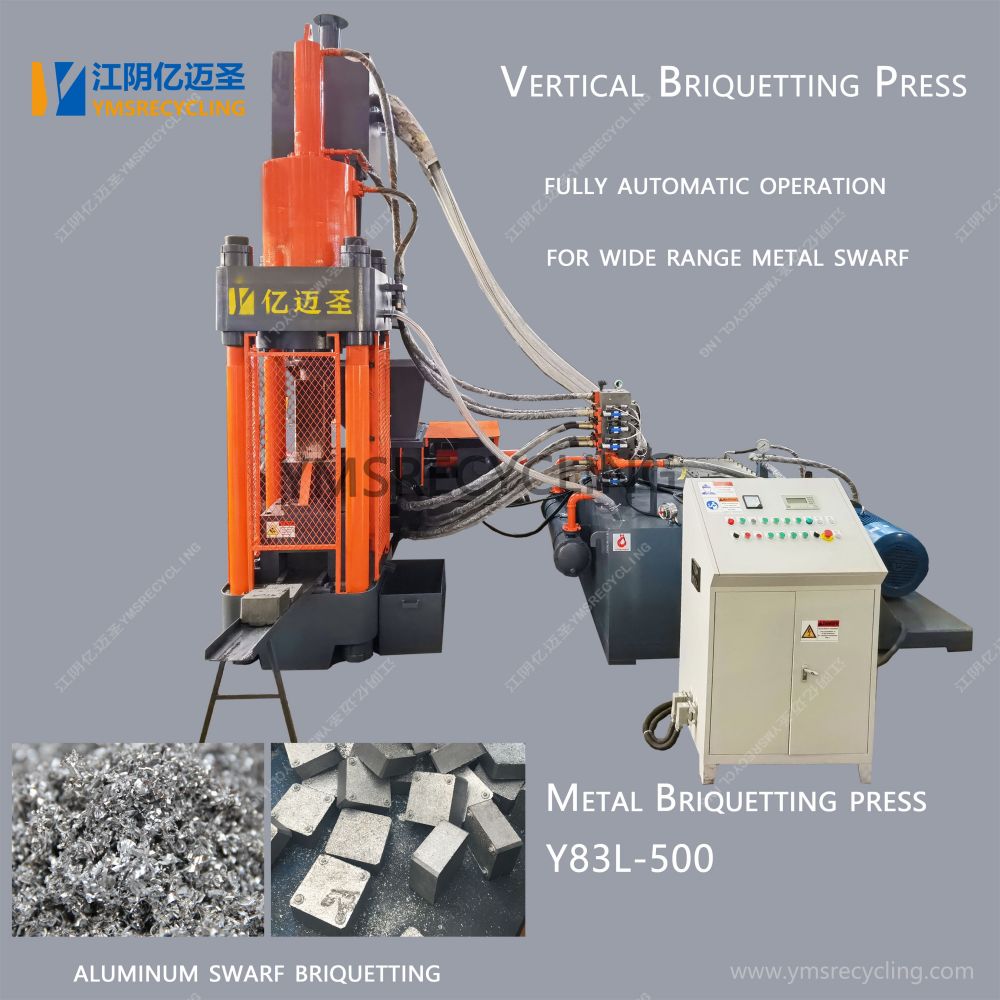
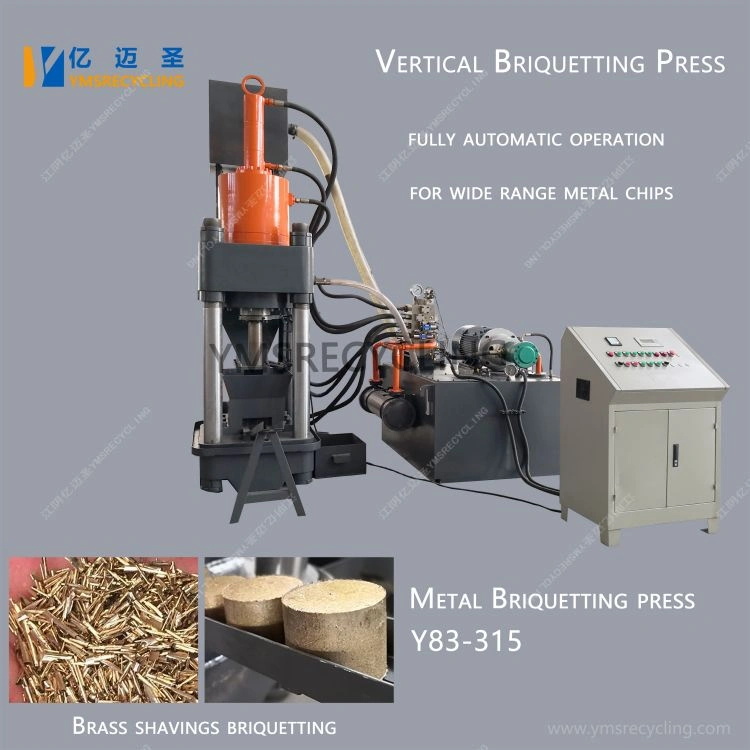
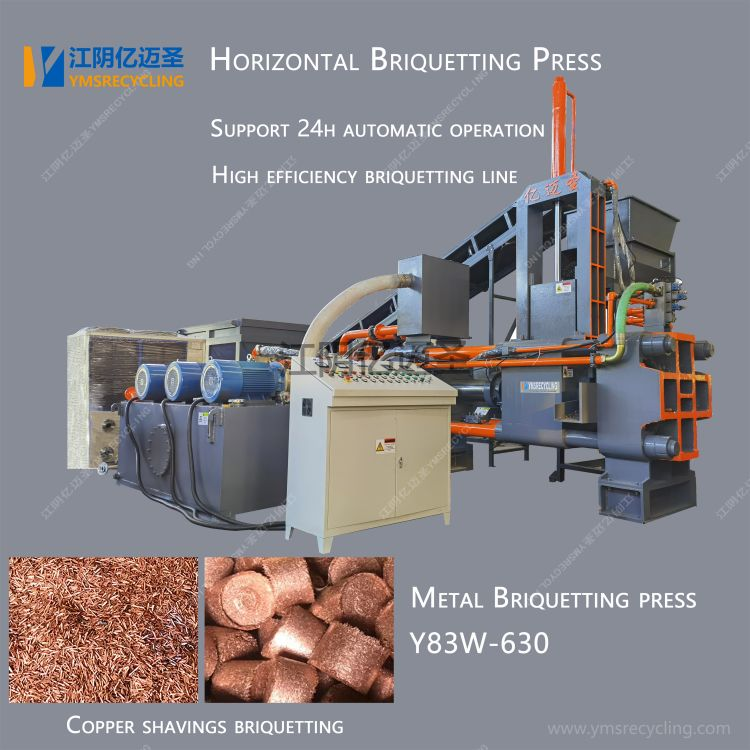
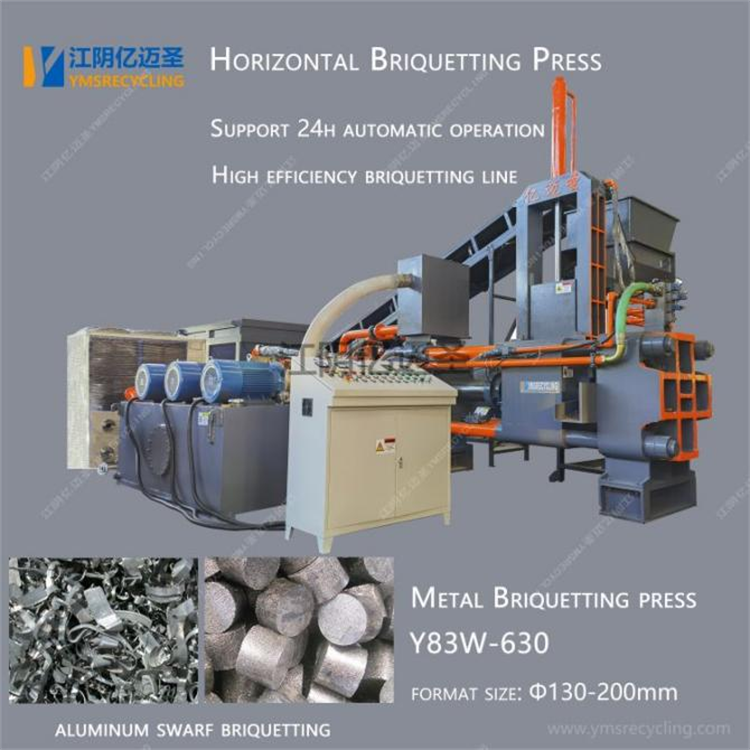
The scrap metal chips briquetting machine is a professional industrial piece of equipment that compresses loose metal scraps into high-density, regular-shaped briquettes through high mechanical pressure. It is an indispensable core piece of equipment in the metal processing and recycling industry, which can effectively solve the problems of large storage space, high transportation costs, difficult smelting, and environmental pollution caused by loose metal chips.
After processing by this equipment, the volume of metal chips is reduced by 80%-90%, the density of briquettes is increased by multiple times, and the direct economic benefits include reduced storage and transportation costs, improved smelting efficiency, and reduced material loss. At the same time, it realizes the standardized recycling of metal scraps, which has significant economic and environmental protection value for mechanical processing plants, recycling stations, smelting enterprises, and other users.
Content
- 1 Working Principle and Structural Composition of Briquetting Machine
- 2 Applicable Material Types and Processing Effects
- 3 Core Application Scenarios of Briquetting Machine
- 4 Economic and Environmental Protection Advantages
- 5 Operation and Daily Maintenance of the Equipment
- 6 Selection Criteria for Scrap Metal Chips Briquetting Machine
- 7 Development Trend of Metal Chips Briquetting Technology
Working Principle and Structural Composition of Briquetting Machine
Basic Working Principle
The scrap metal chips briquetting machine adopts the principle of hydraulic compression, which is the most mature and widely used driving mode in the industry. The equipment first feeds loose metal chips into the closed compression chamber, and the hydraulic system drives the pressure plunger to move forward continuously, applying huge static pressure to the materials. Under the action of high pressure, the air and gaps between the metal chips are eliminated, and the plastic deformation of the metal surface makes the loose scraps bond tightly to form solid briquettes with fixed specifications.
The whole process does not need to add any adhesives, relying solely on the physical extrusion of the metal itself to form briquettes, which retains the original material composition of the metal and does not affect the secondary smelting and reuse of the scraps. This is also the core advantage of the equipment that distinguishes it from other processing methods.
Main Structural Components
The complete briquetting machine consists of multiple functional modules, each of which undertakes key tasks to ensure the stable operation of the equipment:
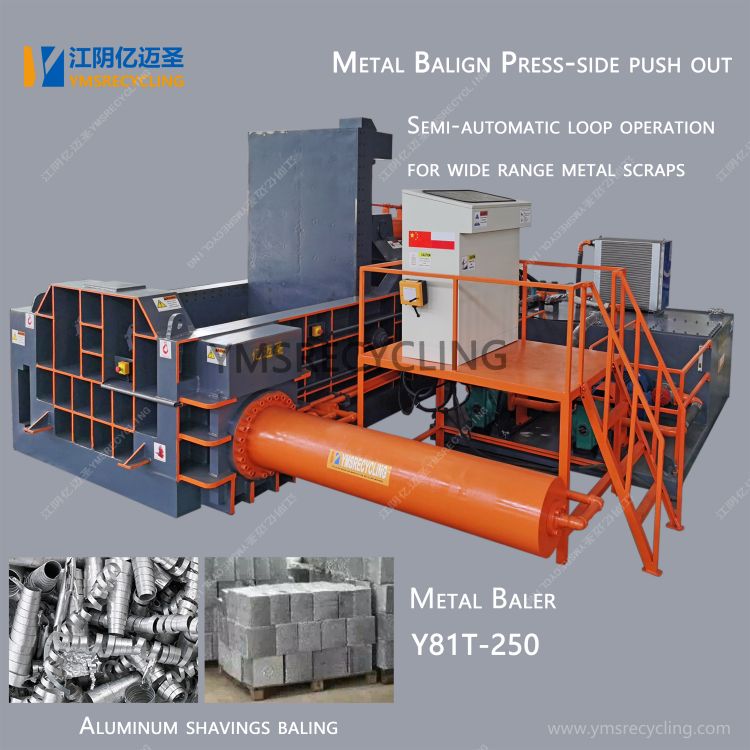
- Hydraulic system: The power core of the equipment, providing stable and adjustable high pressure, with functions of pressure maintaining and pressure relief to ensure the forming effect of briquettes
- Compression chamber: The core working area for metal chip forming, with wear-resistant and high-strength materials to resist long-term friction and impact of metal scraps
- Feeding mechanism: Automatically transports metal chips to the compression chamber, which can be matched with conveyor belts for continuous feeding
- Control system: Manages the start, stop, pressure adjustment, and automatic cycle of the equipment, with manual and automatic operation modes
- Frame structure: Made of high-strength steel, it bears the reaction force generated during compression and ensures the stability and safety of the equipment
Applicable Material Types and Processing Effects
Commonly Processed Metal Chips
The scrap metal chips briquetting machine has strong material adaptability and can process almost all kinds of metal scraps generated in industrial production. The main applicable materials cover ferrous metals and non-ferrous metals, meeting the recycling needs of different industries.
- Ferrous metal chips: cast iron chips, carbon steel chips, stainless steel chips, alloy steel chips, etc.
- Non-ferrous metal chips: aluminum chips, copper chips, brass chips, zinc chips, titanium chips, etc.
Whether it is long curly chips, fine powder chips, or mixed metal scraps, the equipment can achieve ideal briquetting effects after adjusting the process parameters.
Comparison of Processing Effects Before and After
The data comparison below intuitively reflects the transformation effect of the briquetting machine on metal chips, which is the direct basis for enterprises to choose this equipment:
| Indicator | Loose Metal Chips | Briquetted Products |
|---|---|---|
| Volume Occupancy | Large, high gap rate | Reduced by 80%-90% |
| Density | Low | Increased significantly |
| Storage & Transport | High cost, inconvenient | Low cost, convenient |
Core Application Scenarios of Briquetting Machine
Mechanical Processing Enterprises
Mechanical processing plants are the largest producers of metal chips, with lathes, milling machines, grinding machines, and other equipment generating a large amount of scraps every day. For these enterprises, the briquetting machine can solve the problem of on-site storage of chips, avoid the occupation of workshop space, and reduce the frequency of scrap cleaning and transportation. At the same time, the briquetted products have higher recycling value, and enterprises can obtain higher economic returns when selling scraps.
In large-scale auto parts processing, machinery manufacturing, and other industries, configuring briquetting equipment has become a standard configuration for on-site management and cost control, which can reduce the comprehensive production cost of enterprises by a considerable margin every year.
Metal Recycling and Processing Centers
Metal recycling stations and centralized recycling centers collect a large number of mixed metal chips from all walks of life every day. Loose scraps lead to a low utilization rate of storage yards and high transportation costs when transferring to smelters. The briquetting machine can uniformly process various scraps into standardized briquettes, realize classified and centralized recycling of metals, improve the turnover efficiency of recycling yards, and greatly reduce the logistics cost in the recycling chain.
Metallurgical and Smelting Enterprises
Smelting plants are the end users of recycled metal chips. Loose metal chips have low melting efficiency in furnaces, large heat loss, and serious oxidation loss of metals during heating. Briquetted products have high density and regular shape, which can be quickly and evenly heated in the smelting furnace, shorten the smelting time, reduce fuel consumption, and reduce the metal oxidation loss rate to a low level. For smelting enterprises, this means the improvement of production efficiency and the reduction of production costs.
Aerospace and Precision Manufacturing Industry
The aerospace and precision manufacturing industries produce high-value, rare metal chips, such as titanium alloy and high-temperature alloy chips. These scraps have high recycling value, and the briquetting machine can avoid the loss and waste of fine chips, realize the full recycling of high-value metals, and create huge economic value for enterprises with strict material control.
Economic and Environmental Protection Advantages
Outstanding Economic Benefits
The most direct benefit of the scrap metal chips briquetting machine is the reduction of costs and the increase of income. First of all, the volume reduction rate of 80%-90% directly reduces the storage space demand, and enterprises do not need to build additional warehouses or rent external storage sites. Secondly, the transportation cost is greatly reduced: the same truck can transport several times more briquetted products than loose chips, which saves fuel costs, labor costs, and vehicle loss costs.
In terms of scrap recycling, briquetted metal scraps have higher purity and density, and recycling units will give higher purchase prices than loose scraps. In addition, the equipment reduces the manual handling and cleaning work of scraps, saving labor costs for enterprises. For medium-sized processing enterprises, the investment cost of the equipment can be fully recovered within a short period through cost savings and income increase.
Significant Environmental Protection Value
From the perspective of environmental protection, the briquetting machine solves multiple environmental problems caused by metal chips. Loose metal chips are easy to generate dust during handling and storage, causing air pollution; metal cutting fluid attached to the chips is easy to leak and pollute soil and water sources. After briquetting processing, the scraps are wrapped tightly, dust emission is completely avoided, and the leakage of cutting fluid is effectively controlled, meeting the environmental protection requirements of industrial production.
At the same time, the efficient recycling of metal chips reduces the dependence on primary mineral resources, reduces the energy consumption and environmental damage caused by mining and smelting of primary metals, and conforms to the global development trend of the circular economy and green manufacturing.
Operation and Daily Maintenance of the Equipment
Standardized Operation Process
The operation of the scrap metal chips briquetting machine is simple and easy to learn, and the fully automatic control mode reduces the operation difficulty. The standard process is as follows: first, check the equipment status, including hydraulic oil level, circuit connection and mechanical parts; second, add metal chips evenly through the feeding mechanism to avoid excessive feeding or hard impurities mixed in; third, start the automatic operation mode, and the equipment will automatically complete compression, pressure maintaining and briquette pushing out; fourth, collect the formed briquettes regularly and carry out classified stacking.
During operation, operators only need to monitor the running state of the equipment, and do not need long-term manual operation, which reduces the labor intensity.
Daily Maintenance Requirements
Regular maintenance is the key to ensuring the long-term stable operation of the equipment and extending its service life. The daily maintenance work is mainly divided into the following points:
- Check and replace hydraulic oil regularly to keep the hydraulic system clean and avoid blockage or wear caused by impurities
- Lubricate the moving parts regularly to reduce mechanical friction and noise
- Clean the compression chamber and feeding mechanism after each use to prevent metal scraps from adhering and accumulating
- Regularly check the wear of wearing parts and replace them in time to ensure the briquetting effect
- Inspect the circuit and control system regularly to ensure the safety and stability of electrical components
Simple daily maintenance can reduce the failure rate of the equipment to a very low level, and the normal service life of the equipment can reach more than ten years.
Selection Criteria for Scrap Metal Chips Briquetting Machine
Determine According to Material Types and Output
The first factor in selecting equipment is the type of metal chips to be processed and the daily output. Different metals have different hardness and ductility, and the required pressure configuration is different. For example, stainless steel and alloy steel chips with high hardness need a higher pressure configuration, while aluminum and copper chips with low hardness can choose conventional pressure models.
For enterprises with small daily output, small and medium-sized equipment can meet the demand, with a small floor area and low investment cost; for large processing plants and recycling centers with large output, large-scale continuous briquetting machines should be selected to ensure production efficiency.
Consider Briquette Specifications and Density Requirements
Different users have different requirements for the shape, size, and density of briquetted products. For example, smelting enterprises prefer cylindrical briquettes of moderate size for furnace feeding, while recycling enterprises focus on the volume reduction effect. When selecting equipment, it is necessary to confirm whether the briquette specifications can be customized and whether the density can meet the recycling and smelting standards.
Focus on Equipment Quality and Configuration
The quality of core components determines the stability and service life of the equipment. Priority should be given to equipment with a high-strength compression chamber, a stable hydraulic system, and a reliable control system. At the same time, the safety configuration of the equipment is also very important, including overload protection, an emergency stop device, and other functions to ensure the safety of operators.
Development Trend of Metal Chips Briquetting Technology
With the development of industrial intelligence and the circular economy, the technology of scrap metal chips briquetting machines is constantly upgrading. In the future, the equipment will develop in the direction of higher intelligence, higher efficiency, and lower energy consumption. The intelligent control system will realize automatic adjustment of pressure according to material types, remote monitoring, and fault early warning, reducing manual intervention and operation difficulty.
In terms of energy efficiency, the new hydraulic system and transmission structure will reduce the energy consumption of the equipment, further improve the compression efficiency and volume reduction rate, and bring greater economic benefits to users. In addition, the integrated design of the equipment will be more optimized, reducing the floor area while enhancing the processing capacity, adapting to the production space of more enterprises.
At the same time, with the global emphasis on resource recycling and environmental protection, the application scope of briquetting machines will be further expanded, and it will become a standard supporting equipment for more metal processing and recycling industries, promoting the green and sustainable development of the whole industrial chain.