 English
 русский
 Español

Content
- 1 Investing in Scrap Metal Recycling Equipment Directly Drives Profitability and Environmental Sustainability
- 2 Core Categories of Metal Processing Machinery
- 3 The Critical Role of Material Purity in Processing
- 4 Environmental and Economic Advantages
- 5 Equipment Applications Across Different Metal Streams
- 6 Key Considerations for Equipment Selection
- 7 Essential Safety Protocols in Metal Processing
- 8 Technological Advancements Shaping the Future of Recycling
- 9 Overcoming Common Operational Challenges
- 10 Strategic Steps for Implementing New Equipment
Investing in Scrap Metal Recycling Equipment Directly Drives Profitability and Environmental Sustainability
The implementation of dedicated scrap metal recycling equipment is the definitive solution for transforming discarded metal waste into a highly valuable, reusable commodity. By integrating the right machinery into a processing workflow, operations can achieve significant reductions in energy consumption and greenhouse gas emissions compared to extracting virgin ores. Furthermore, this equipment directly accelerates processing volumes, drastically lowers manual labor requirements, and ensures the production of high-purity materials that command premium prices in global markets. The core conclusion is unmistakable: utilizing advanced metal recycling machinery is not merely an operational choice but an essential strategy for achieving long-term economic viability and ecological responsibility in the modern waste management sector.
The necessity of these systems stems from the sheer volume of metal waste generated globally. Without mechanical intervention, sorting and processing mixed metals manually would be economically impossible and dangerously slow. Machinery bridges the gap between raw, contaminated scrap and purified, furnace-ready materials. Whether dealing with lightweight aluminum cans, heavy steel beams, or complex electronic waste, the correct combination of crushing, shredding, and sorting equipment dictates the overall success of the recycling endeavor. Understanding the specific functions and strategic applications of these machines is crucial for any operation looking to optimize its material recovery rates.
Core Categories of Metal Processing Machinery
Scrap metal recycling equipment encompasses a diverse range of specialized machinery, each designed to handle specific stages of the material recovery process. To build an efficient processing line, facility managers must understand the distinct functions of these primary categories and how they interact with one another to transform raw scrap into sellable commodities.
Size Reduction Machinery
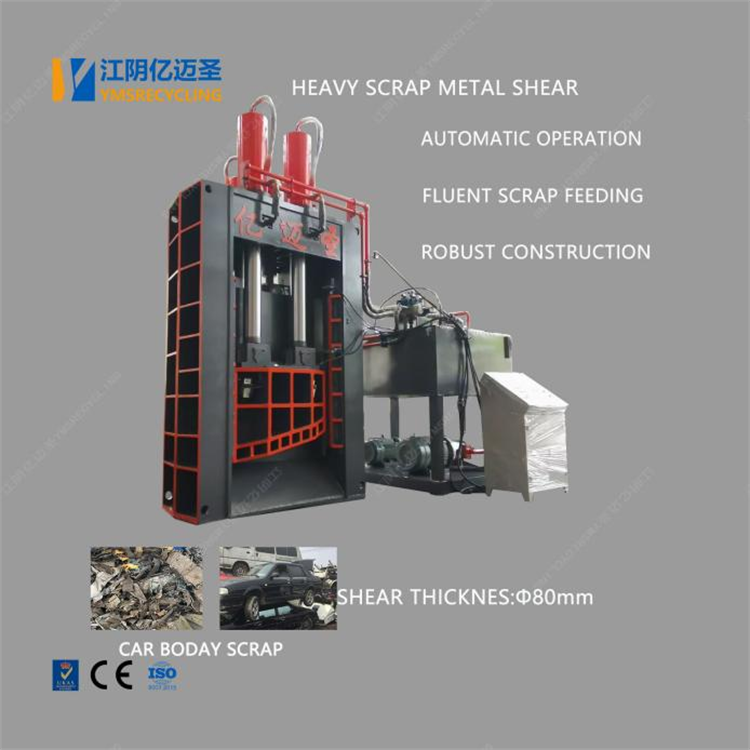
The initial physical step in most recycling operations involves reducing the bulk of the scrap metal. Size reduction equipment, primarily consisting of industrial shredders and crushers, is responsible for tearing apart large, unwieldy objects into manageable fragments. Heavy-duty shredders use rotating shafts equipped with specialized cutting tips to process everything from entire vehicles to bulky household appliances. By breaking these items down into fist-sized pieces, the machinery dramatically increases the surface area of the metal. This is a critical step because reduced material volume directly translates to lowered transportation and storage costs, allowing facilities to move significantly more material per truckload. Additionally, smaller fragments are much easier to handle by downstream sorting and separation equipment.
Baling and Compaction Systems
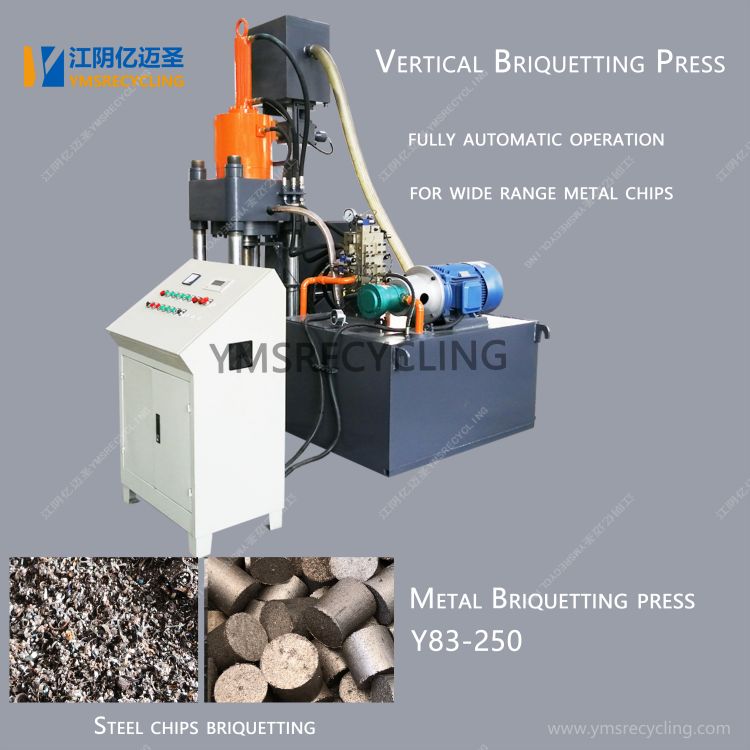
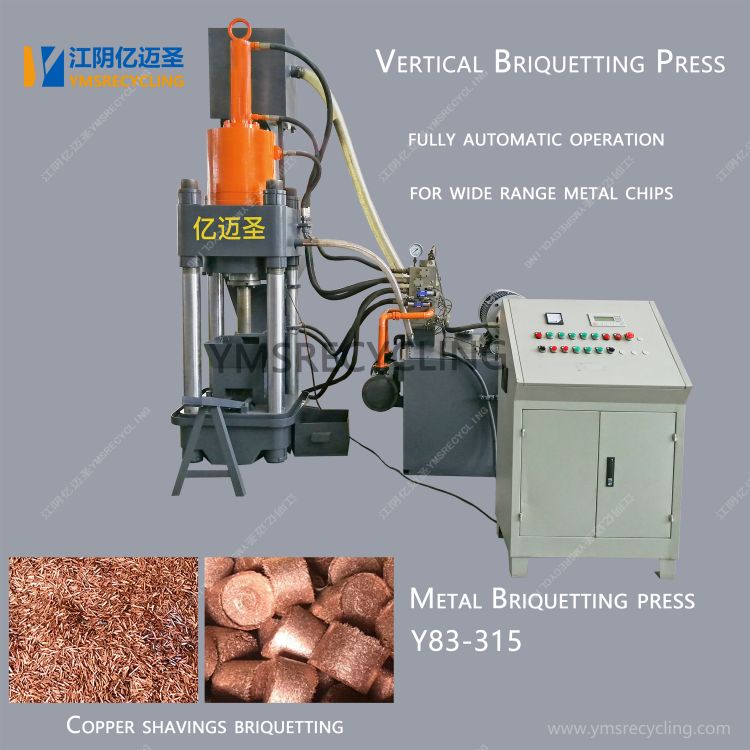
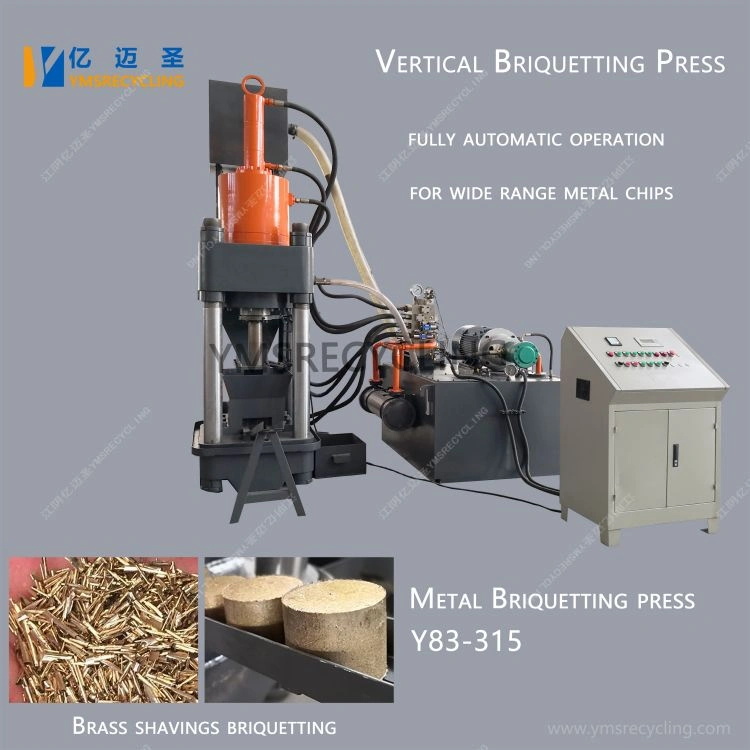
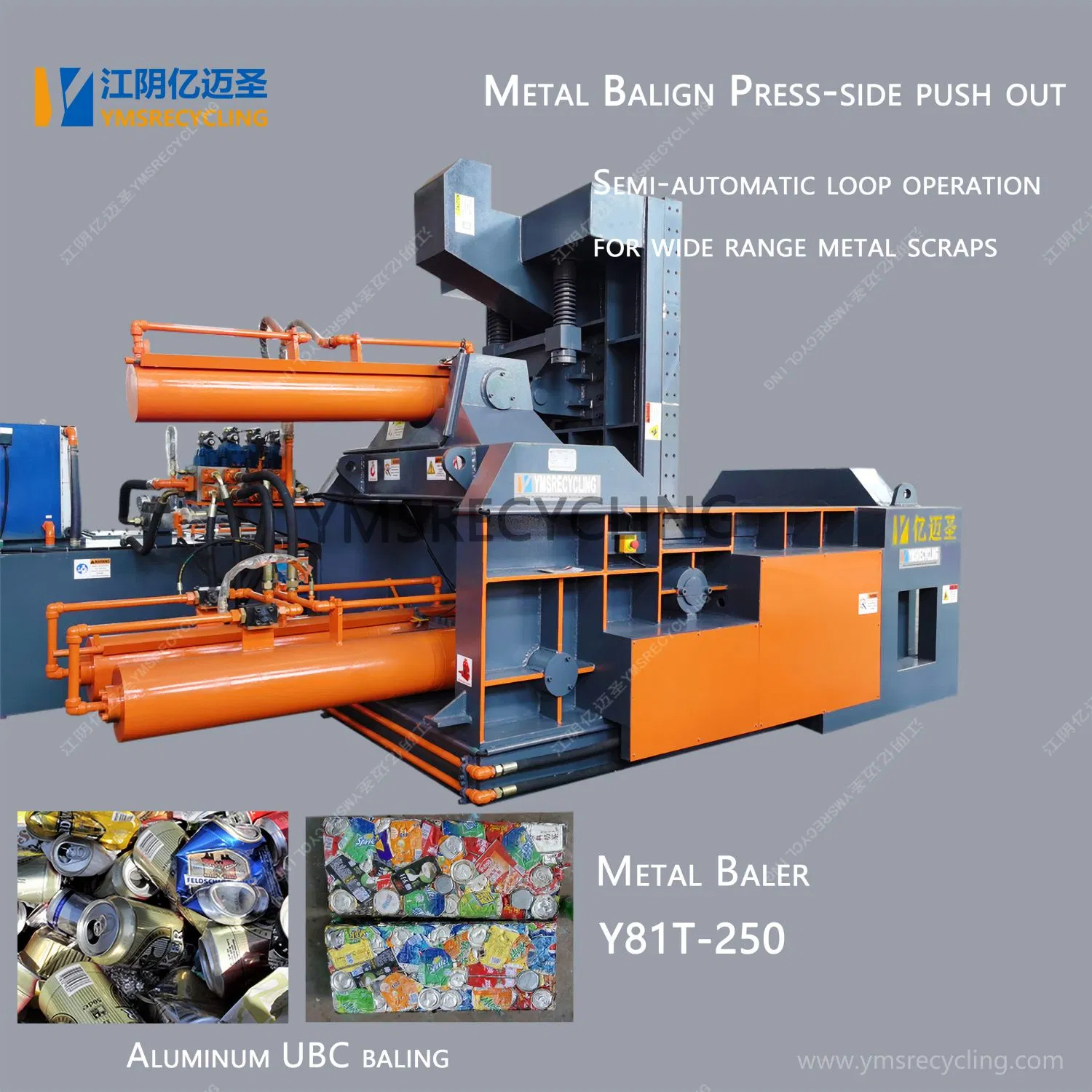
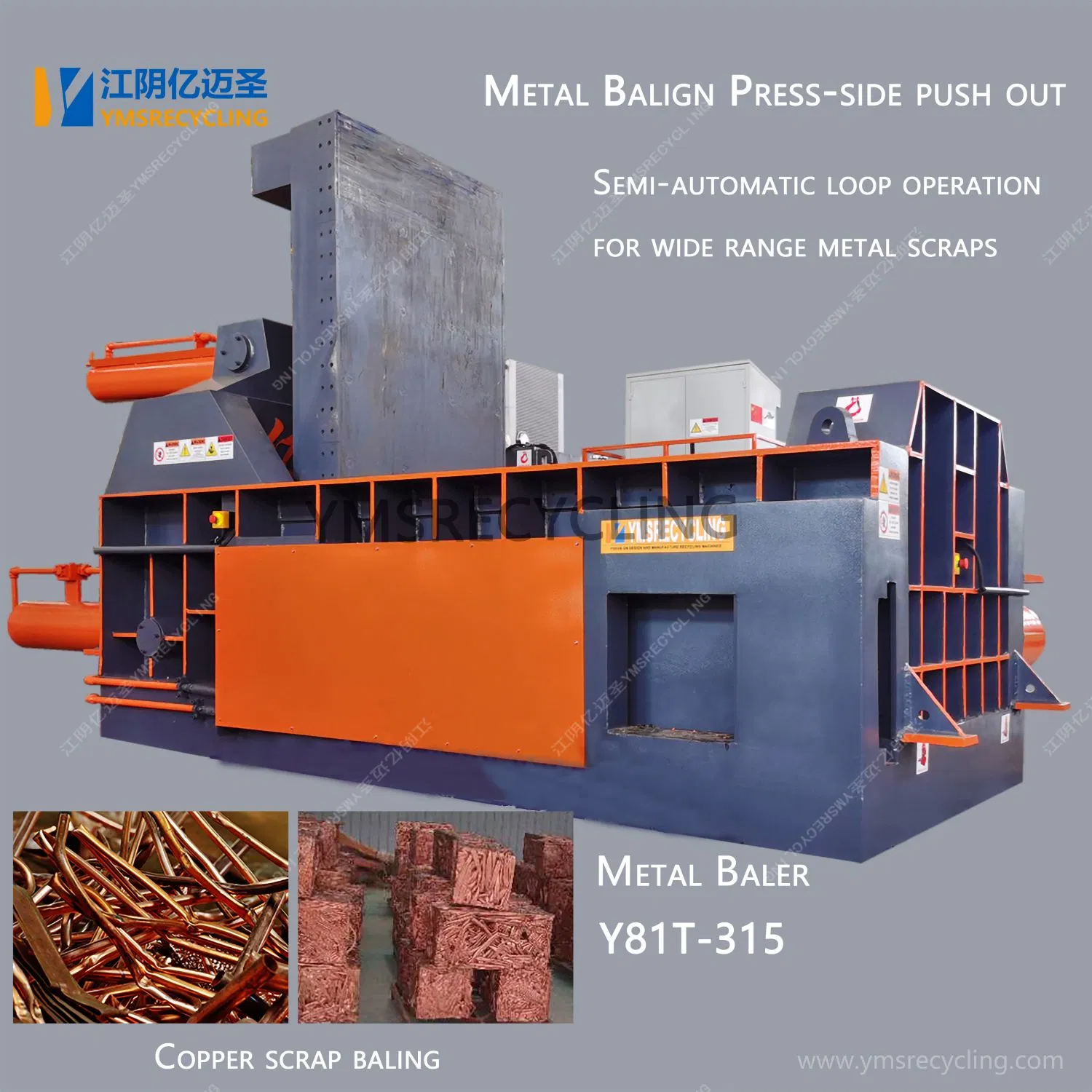
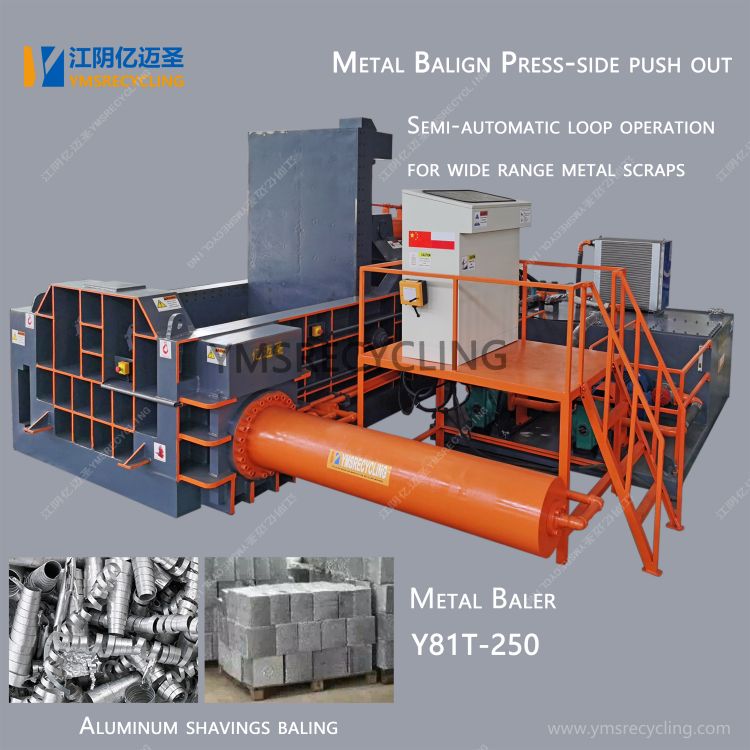
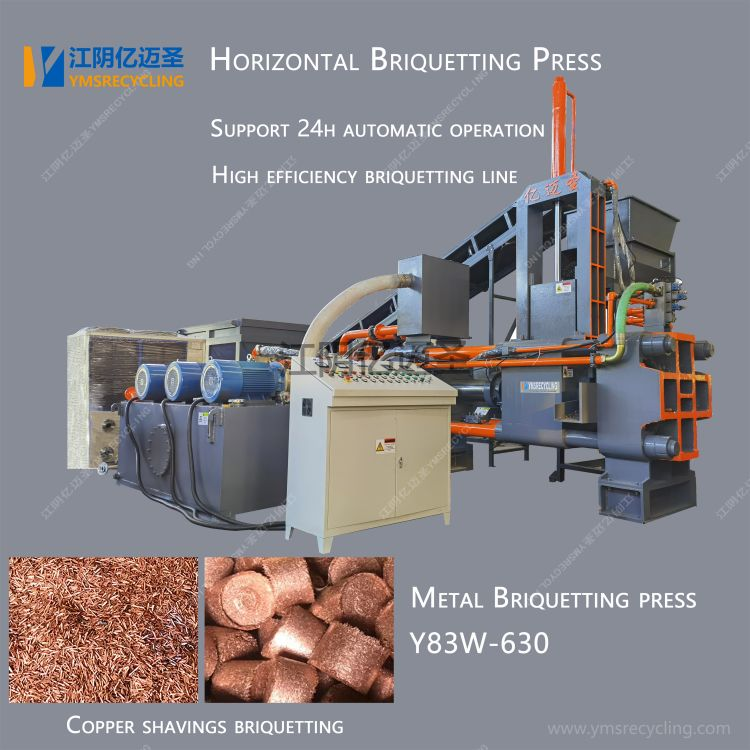
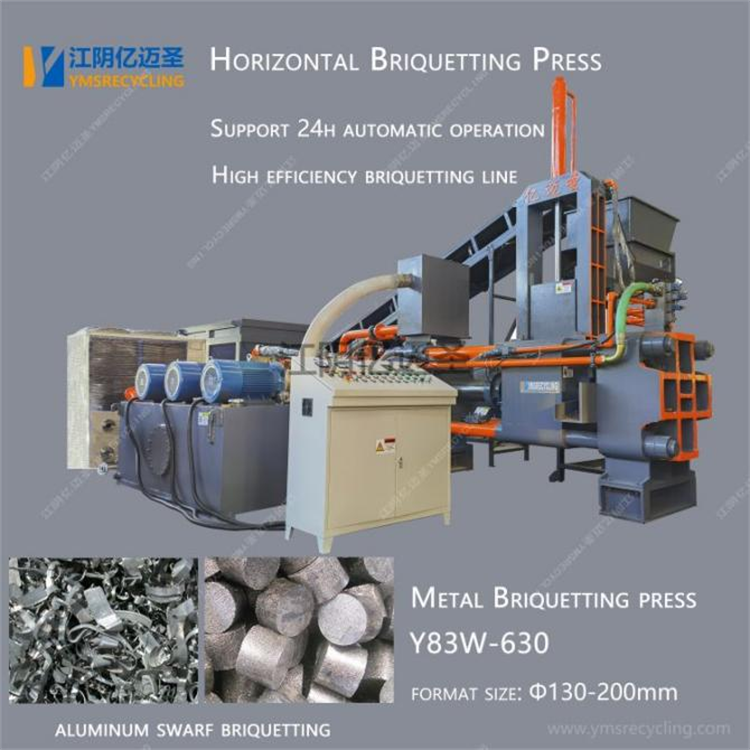
Not all metal is best processed by shredding. Light-gauge metals such as aluminum cans, steel shavings from machining processes, and thin sheet metal are highly voluminous but relatively low in density. Baling and compaction equipment addresses this issue by applying extreme hydraulic pressure to compress loose scrap into dense, uniform blocks or cubes. These bales are bound with heavy-duty wire, making them stable and easy to stack. For facilities dealing with large quantities of turnings or borings, briquetting machines press metal dust and shavings into solid pucks, squeezing out excess cutting fluids and lubricants in the process. This compaction increases the bulk density of lightweight scrap by several times, optimizing logistics and making the material highly desirable for foundries and steel mills that require efficient furnace charging.
Separation and Sorting Technology
Once the metal has been reduced in size or compacted, the most critical phase begins: separation. Scrap streams are rarely pure; they are typically mixed with other metals, plastics, wood, rubber, and dirt. Modern separation equipment relies on advanced physical principles to isolate valuable metals from the waste stream. Magnetic separators effortlessly pull ferrous metals like iron and steel from the conveyor belt. For non-ferrous metals like aluminum, copper, and brass, eddy current separators use rapidly rotating magnetic fields to induce electrical currents in the non-ferrous metals, effectively repelling them away from the rest of the debris. Furthermore, advanced sensor-based sorting machines utilize X-ray fluorescence or optical recognition to identify and pneumatically eject specific metal grades with incredible precision, ensuring a high-purity end product.
The Critical Role of Material Purity in Processing
The ultimate goal of any piece of scrap metal recycling equipment is to produce a final product that meets the strict chemical composition requirements of industrial consumers. Material purity is the single most important factor in determining the financial value of recycled metal. If a batch of aluminum is contaminated with even small amounts of copper or iron, it becomes unsuitable for high-end applications like aerospace manufacturing or automotive body panels, drastically depreciating its market value.
Advanced sorting equipment mitigates this risk by isolating metal alloys at a granular level. For instance, when processing shredded mixed metals from end-of-life vehicles, a combination of density separation tables and optical sorters can separate heavy metals like zinc and copper from lighter aluminum alloys. Facilities utilizing multi-stage sorting equipment routinely achieve purity rates exceeding 95 percent for targeted metal streams. This level of precision allows recyclers to sell their output as "primary equivalent" materials, fetching prices that are remarkably close to virgin mined metals, thereby maximizing the return on investment for the machinery utilized.
Environmental and Economic Advantages
The deployment of modern scrap metal recycling equipment yields profound benefits that extend far beyond the immediate perimeter of the recycling yard. These advantages manifest in two primary domains: ecological preservation and economic generation, both of which are intrinsically linked through the mechanics of the recycling process.
Energy Conservation and Emission Reduction
Mining and refining virgin ore is an incredibly energy-intensive process that ravages landscapes and generates massive amounts of toxic byproducts. In contrast, processing recycled metal requires a fraction of the energy. Because the equipment has already done the hard work of extracting, purifying, and preparing the metal, furnaces simply need to melt it down. Utilizing recycled aluminum saves roughly ninety percent of the energy required to produce primary aluminum from bauxite ore. Similarly, recycling steel reduces energy consumption by over half. By scaling up the use of metal recycling equipment, the industrial sector can dramatically shrink its carbon footprint, conserve finite natural resources, and reduce the reliance on environmentally destructive mining practices.
Operational Cost Reduction
From a business perspective, the automation provided by recycling equipment fundamentally alters the financial equation of waste management. Manual sorting and dismantling are slow, labor-intensive, and prone to human error. By replacing manual labor with high-capacity conveyors, magnetic drums, and automated shredders, facilities can process multiple tons of material per hour with a significantly smaller workforce. This reduction in manual labor directly lowers overhead costs, workers' compensation liabilities, and operational bottlenecks. The speed and consistency of mechanical processing ensure that facilities can handle large influxes of scrap without experiencing the delays that plague under-equipped operations.
Equipment Applications Across Different Metal Streams
Not all scrap metal is created equal, and the equipment required to process a bulk load of structural steel beams is entirely different from the machinery needed to recover precious metals from printed circuit boards. Understanding how specific equipment configurations apply to different material streams is vital for operational planning.
| Metal Stream | Primary Equipment Used | Processing Objective |
|---|---|---|
| End-of-Life Vehicles | Shredders, Magnetic Drums, Eddy Current Separators | Fragmentation and separation of ferrous from non-ferrous metals |
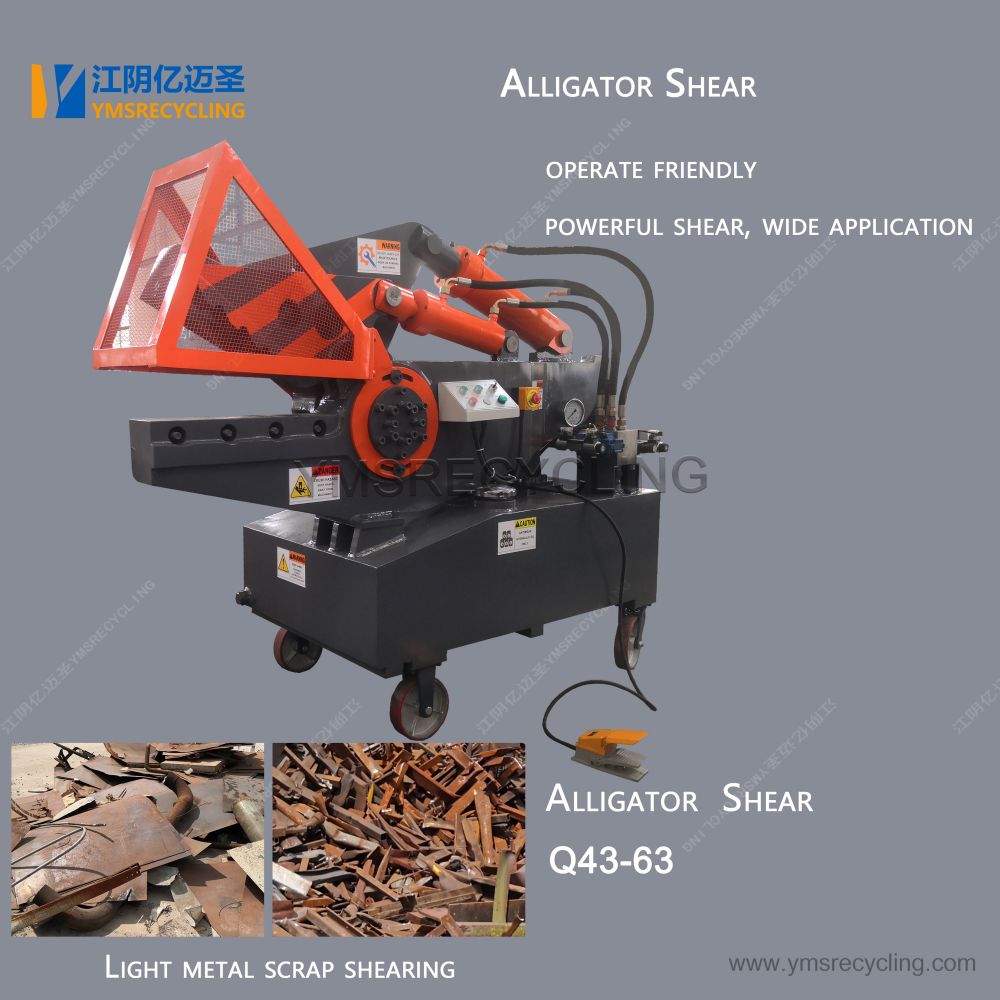
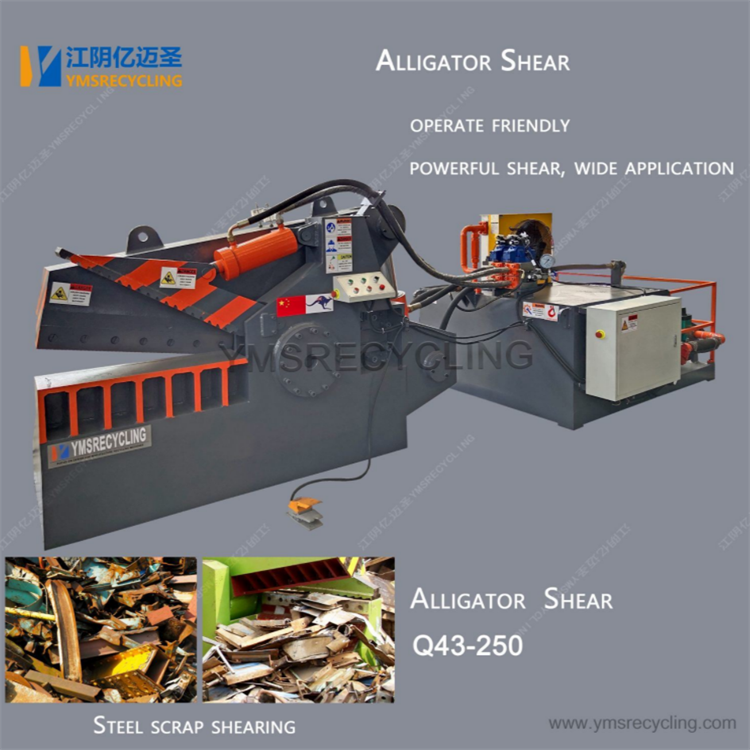
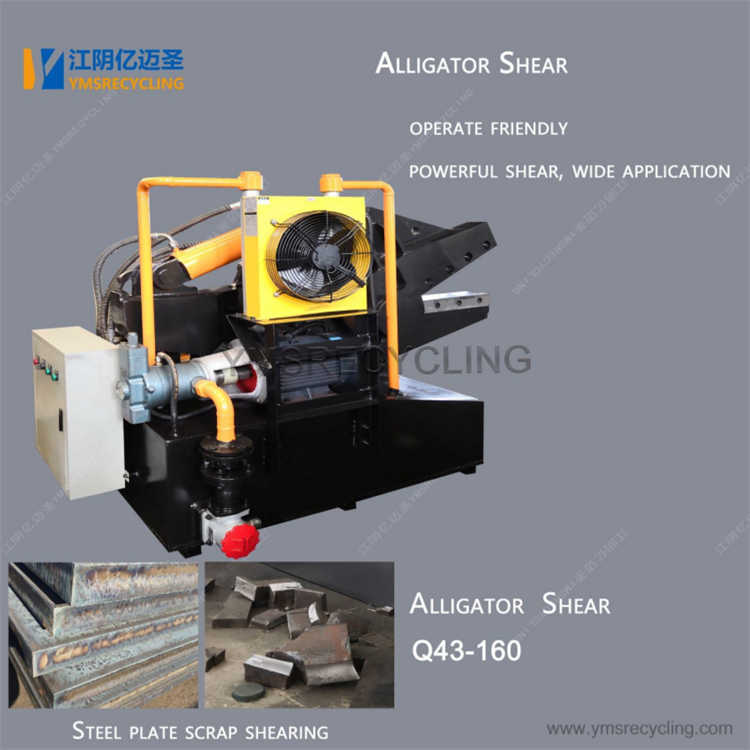
| Light Iron and Tinplate | Horizontal Balers, Shears | Volume reduction for efficient steel mill delivery |
| Aluminum Cans | Decoaters, Conveyor Systems, Melting Furnaces | Removal of lacquer coatings and direct melting into ingots |
| Electronic Waste | Optical Sorters, X-ray Separators, Precious Metal Recovery Units | Isolation of copper, gold, and other high-value trace metals |
As demonstrated in the table, the configuration of scrap metal recycling equipment must be carefully matched to the input material. Processing heavy industrial scrap requires robust, high-torque machinery capable of handling extreme thicknesses, while consumer-level waste like aluminum cans requires equipment focused on cleaning, de-coating, and rapid volume reduction. Selecting the wrong equipment for a specific metal stream leads to excessive wear and tear, frequent mechanical failures, and suboptimal processing speeds.
Key Considerations for Equipment Selection
Choosing the right scrap metal recycling equipment is a complex decision that requires a thorough analysis of current operational capabilities and future business goals. Facility managers must evaluate several critical factors to ensure their capital investments yield the desired returns.
Assessing Throughput Requirements
The most fundamental metric to consider is processing capacity. Equipment is generally categorized by the number of tons it can process per hour. A small-scale operation collecting local scrap may only require a low-capacity baler and a basic magnetic separator. However, a regional recycling hub processing thousands of tons of material monthly will need high-capacity shredders and automated sorting lines. Underestimating throughput needs results in severe bottlenecks, while overestimating leads to machinery sitting idle, tying up capital that could be used elsewhere. A comprehensive audit of incoming material volumes over a sustained period is essential before selecting a specific machine size.
Maintenance and Operational Downtime
Scrap metal processing is an inherently brutal environment for machinery. High-speed shredders and crushers are subjected to extreme abrasion and impact forces. Therefore, the ease of maintenance and the availability of replacement parts must be primary considerations during the selection process. Equipment designed with quick-change cutting inserts, accessible wear liners, and centralized lubrication systems will significantly reduce downtime. Every hour a shredder is offline for maintenance represents lost revenue and delayed shipments. Prioritizing robust, heavy-duty construction over initial purchase price almost always proves to be the more economical strategy over the lifespan of the equipment.
Integration and Scalability
Modern recycling equipment does not operate in a vacuum; it functions as part of an integrated material flow. When purchasing new machinery, operators must consider how it will physically and logically connect to existing systems. Conveyors, feed hoppers, and discharge chutes must align perfectly to create a seamless transition between size reduction, sorting, and compaction stages. Furthermore, the equipment must be scalable. As market demand for recycled metals grows, facilities should have the ability to upgrade sensor packages, add additional sorting modules, or increase motor capacities without having to completely replace the core infrastructure.
Essential Safety Protocols in Metal Processing
The operation of heavy scrap metal recycling equipment presents inherent physical hazards that demand rigorous safety management. The combination of high-torque rotating machinery, heavy falling objects, and potentially explosive materials requires a comprehensive approach to workplace safety to protect personnel and maintain operational continuity.
One of the most severe risks in metal recycling is the presence of unexploded ordnance, aerosol cans, or gas cylinders hidden within loads of scrap. When these items enter a high-speed shredder, the results can be catastrophic. To mitigate this, facilities must implement strict pre-sorting protocols and, ideally, utilize specialized detection equipment that can identify pressurized containers before they reach the size reduction stage. Furthermore, modern shredders are equipped with heavy-duty explosion relief vents and automated shutdown systems designed to safely redirect blast forces away from operators if an explosive device is inadvertently processed.
Beyond explosion risks, the physical guarding of machinery is paramount. All moving parts, including conveyor belts, drive shafts, and flywheels, must be enclosed by secure barriers that prevent accidental contact. Lockout/tagout procedures must be strictly enforced to ensure that machinery cannot be accidentally energized while maintenance personnel are working on cutting teeth or clearing jammed material. Comprehensive training programs are the most effective safety equipment available, as human error remains the leading cause of industrial accidents in recycling facilities.
Technological Advancements Shaping the Future of Recycling
The scrap metal recycling industry is currently undergoing a technological renaissance, driven by the integration of artificial intelligence, advanced robotics, and sophisticated sensor technologies. These advancements are pushing the boundaries of material recovery, allowing facilities to extract value from waste streams that were previously considered too complex or contaminated to process profitably.
Artificial Intelligence and Machine Learning
Traditional sensor-based sorters rely on pre-programmed algorithms to identify materials based on specific chemical signatures or color profiles. However, AI-powered sorting equipment takes this a step further by utilizing high-speed cameras and machine learning algorithms. These systems can be trained to recognize complex shapes, textures, and even slight variations in metal grades. As the AI processes more material, it continuously improves its accuracy, learning to distinguish between highly similar alloys that would fool conventional sensors. This capability is particularly valuable in the recycling of electronic waste, where minute differences in metal composition can represent significant differences in value.
Robotic Sorting and Automated Material Handling
While pneumatic air jets are highly effective for sorting small, fragmented materials, they are less effective when dealing with larger, bulkier items. Robotic sorting arms equipped with specialized grippers and integrated sensors are increasingly being deployed to handle these challenges. These robots can pick up odd-shaped objects, rotate them to analyze all sides, and place them into specific chutes based on their material composition. They operate at remarkable speeds and with consistent accuracy, eliminating the fatigue and error rates associated with manual sorting. As robotics become more affordable, their integration into scrap metal recycling equipment lines is expected to become standard practice.
IoT and Predictive Maintenance
The Internet of Things (IoT) is transforming how recycling equipment is monitored and maintained. Modern shredders, balers, and conveyors are equipped with arrays of vibration sensors, temperature probes, and load cells that continuously transmit data to a central control system. This data is analyzed to predict when a specific component, such as a bearing or a cutting knife, is likely to fail. By shifting from reactive maintenance (fixing things after they break) to predictive maintenance (replacing parts just before they fail), facilities can virtually eliminate unplanned downtime and extend the operational lifespan of their capital equipment.
Overcoming Common Operational Challenges
Even with the most advanced scrap metal recycling equipment, facility operators inevitably face operational hurdles that can impact productivity and profitability. Anticipating these challenges and developing proactive strategies is a hallmark of successful recycling operations.
Managing Contaminated Scrap Inputs
Contamination is the eternal enemy of metal recycling. Scrap loads frequently arrive mixed with non-metallic debris such as wood, plastics, dirt, and concrete. If this contamination is not addressed early in the process, it can overwhelm downstream sorting equipment and degrade the purity of the final product. Effective operations utilize heavy-duty trommel screens and air classification systems at the very beginning of the processing line to shake out dirt and separate lightweight plastics from heavy metals. Pre-processing flails and rotary shears can also tear open garbage bags and crush bulky non-metallic items, liberating the trapped metal for recovery.
Dealing with Fluctuating Market Prices
The value of recycled metal is intrinsically tied to global commodities markets, which can be highly volatile. When market prices drop, the margin between the cost of processing and the revenue from sales can shrink dangerously. To mitigate this risk, facilities can use their equipment to diversify their output. Instead of solely producing low-grade mixed metals, investing in equipment that can upgrade scrap into high-purity, segregated alloys provides a buffer against market fluctuations. High-purity materials maintain a more stable demand and command better prices, even in bear markets, because specialized foundries require consistent feedstock regardless of broader economic conditions.
Optimizing Power Consumption
Heavy machinery like industrial shredders and large-scale balers consume massive amounts of electricity. During peak operational hours, this power draw can result in exorbitant utility bills and strain local power grids. To combat this, modern equipment is often equipped with variable frequency drives (VFDs). These systems allow the motors to draw only the precise amount of power needed for the current load. When the shredder is processing light material, the VFD reduces the motor speed and power draw; when a heavy piece of steel enters the cutting chamber, the system instantly ramps up the power. This dynamic power management significantly reduces overall electricity consumption without sacrificing processing throughput.
Strategic Steps for Implementing New Equipment
Introducing new scrap metal recycling equipment into an existing facility requires meticulous planning and execution. A poorly managed installation can lead to months of delayed production and cost overruns. Following a structured implementation process ensures a smooth transition from old workflows to new, highly efficient operations.
- Conduct a comprehensive facility audit to identify existing bottlenecks and determine the exact processing capacity required.
- Evaluate multiple equipment suppliers, requesting detailed specifications, energy consumption data, and references from similar operational setups.
- Prepare the physical site, ensuring that concrete foundations, electrical infrastructure, and ventilation systems are upgraded to support the new machinery.
- Schedule the installation during a planned low-volume period to minimize the impact on ongoing business operations.
- Execute rigorous commissioning tests using controlled scrap inputs to calibrate sensors, adjust cutting clearances, and verify sorting accuracy.
- Provide extensive, hands-on training for all operators and maintenance staff, emphasizing safety protocols and daily maintenance routines.
By methodically following these steps, recycling operations can ensure that their investment in new scrap metal recycling equipment delivers the maximum possible return, positioning their business for sustained growth in an increasingly competitive and environmentally conscious global market. The strategic deployment of this machinery is the fundamental cornerstone of modern, efficient, and profitable metal recovery.