 English
 русский
 Español

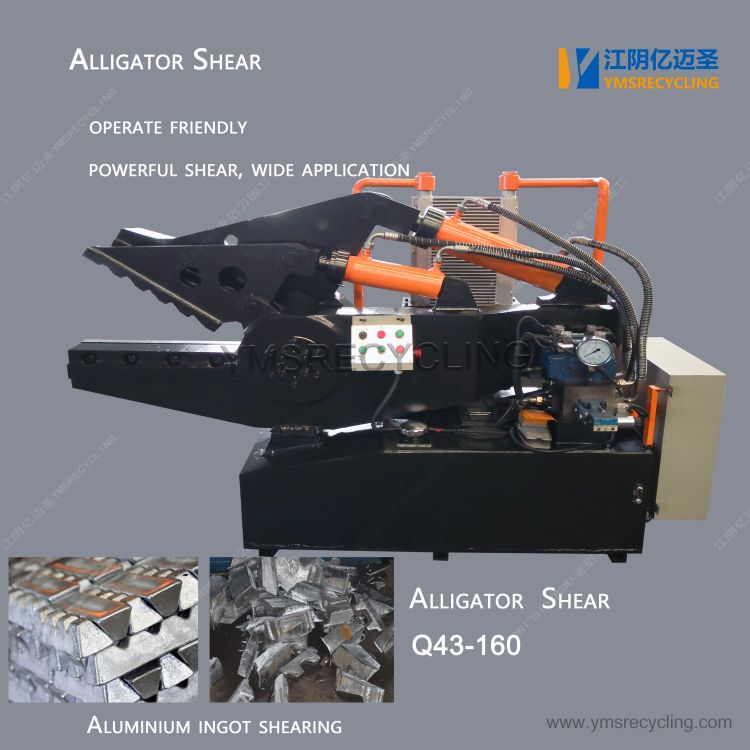
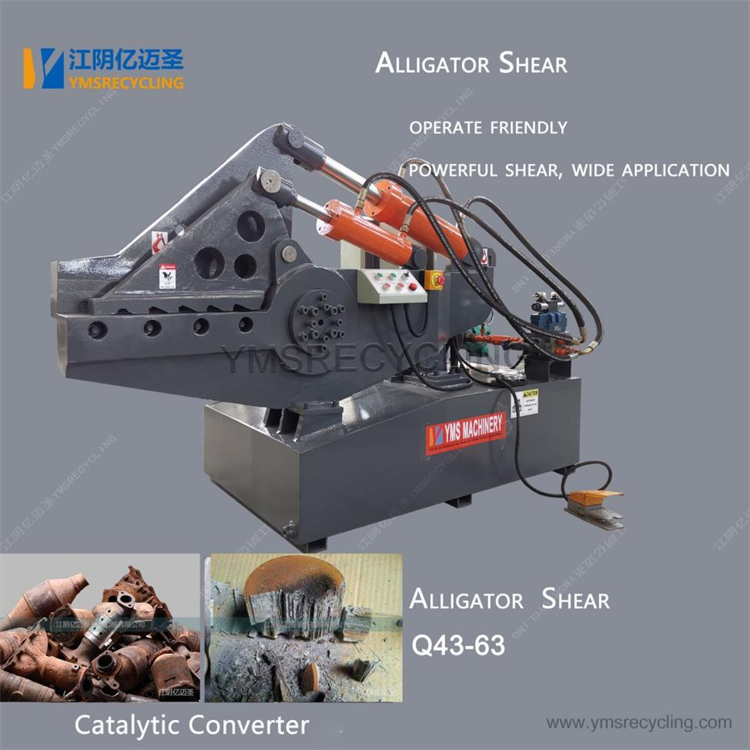
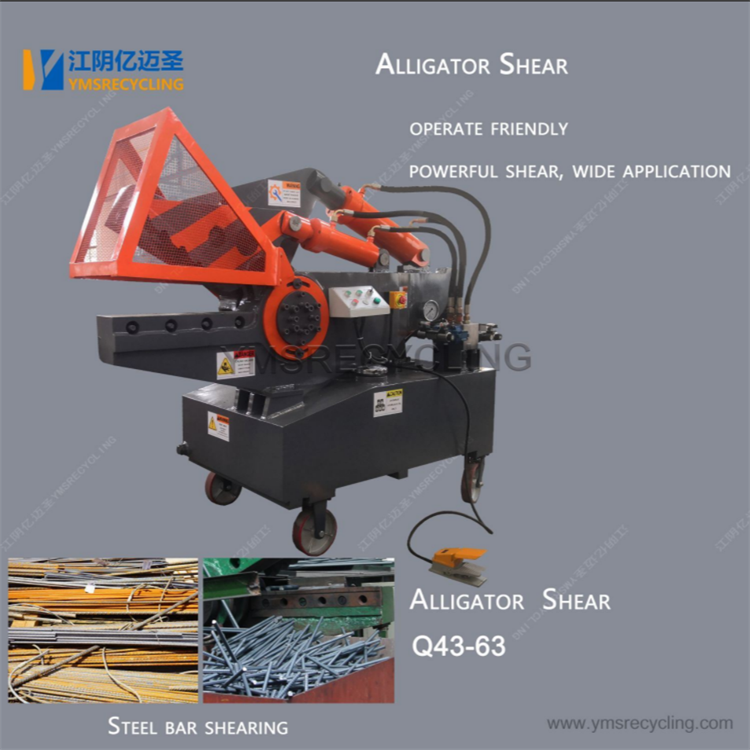
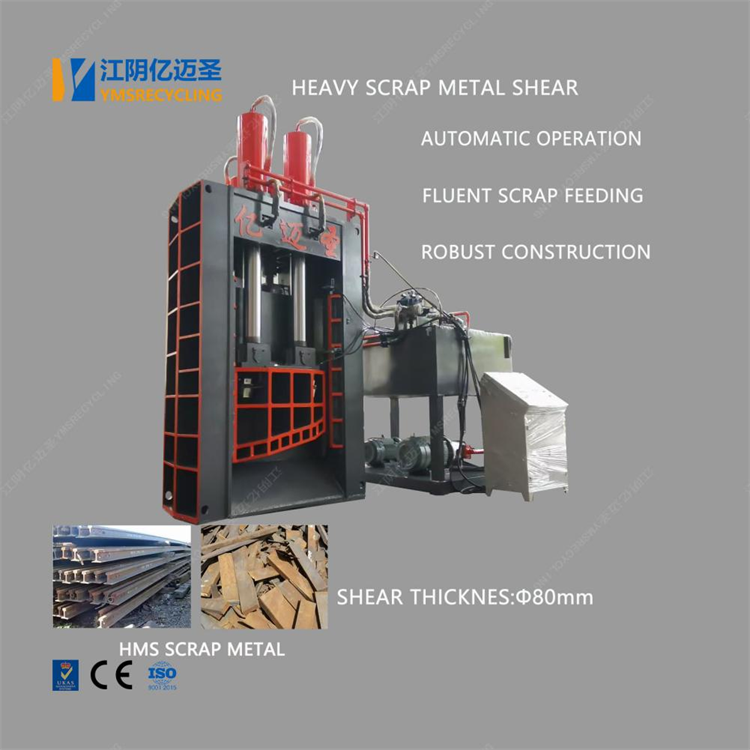
The hydraulic metal shear machine stands as the superior solution for heavy-duty metal processing, offering unmatched cutting force and operational safety compared to mechanical alternatives. By utilizing high-pressure fluid dynamics, these machines deliver consistent power capable of slicing through dense materials like steel beams and thick metal plates. The primary advantage lies in their ability to generate immense force without the physical shock associated with mechanical flywheels, resulting in smoother operation, reduced wear, and a longer lifespan for the equipment. For industries focused on recycling and large-scale fabrication, investing in hydraulic technology is not merely a choice but a necessity for maintaining high throughput and workplace safety standards.
Content
Understanding the Hydraulic Mechanism
To fully appreciate the utility of these machines, one must understand the fundamental principle behind their operation: Pascal's Law of fluid mechanics. In a hydraulic system, pressure is applied to a confined fluid, typically oil, which is then transmitted to a piston. Because the fluid is incompressible, the force is multiplied significantly.
The process typically begins with an electric motor or diesel engine powering a hydraulic pump. This pump draws fluid from a reservoir and pressurizes it, directing it through a series of control valves. These valves regulate the flow and direction of the fluid, ultimately driving the main hydraulic cylinder. The piston rod within this cylinder extends, actuating the moving blade that shears the metal. Once the cut is complete, the fluid retracts, and the cycle repeats. This enclosed system allows for precise control over the cutting blade's position and speed, which is critical for handling varying material thicknesses.
Key Advantages in Industrial Applications
The adoption of hydraulic metal shears is driven by several distinct advantages that directly impact productivity and cost management. These benefits extend beyond simple cutting capabilities, influencing the overall workflow of an industrial facility.
- Immense Cutting Force: Hydraulic systems can generate hundreds of tons of pressure, allowing them to cut through thick scrap metal and heavy structural steel that mechanical shears cannot handle.
- Adjustable Stroke Length and Speed: Operators can fine-tune the machine's parameters to suit the specific material being cut, optimizing the cycle time for thinner metals while maximizing force for thicker ones.
- Overload Protection: Unlike mechanical systems that may snap or suffer catastrophic failure under excessive load, hydraulic systems use pressure relief valves. If the resistance exceeds the set limit, the valve opens, bypassing fluid and protecting the machine from damage.
- Reduced Noise and Vibration: The absence of a noisy flywheel and clutch system significantly reduces the acoustic footprint and physical vibration of the machine, contributing to a better working environment.
Hydraulic vs. Mechanical Shears: A Comparative Analysis
While both types of machines serve the same fundamental purpose, their operational differences make them suitable for different scenarios. Understanding these distinctions helps in selecting the right equipment for specific operational needs.
| Feature | Hydraulic Shear | Mechanical Shear |
|---|---|---|
| Power Source | Hydraulic fluid pressure | Electric motor & flywheel |
| Cutting Force | Constant force throughout stroke | Varies, highest at bottom of stroke |
| Stroke Control | Highly adjustable | Generally fixed |
| Maintenance | Fluid changes, seal checks | Lubrication, clutch adjustment |
Critical Selection Criteria
Selecting the right hydraulic metal shear requires a careful analysis of production needs and material specifications. A machine that is too small will fail under pressure, while one that is excessively large may result in wasted energy and financial resources.
Shearing Capacity and Material Thickness
The most obvious factor is the thickness of the metal to be cut. Manufacturers rate their machines based on the tensile strength of the material, usually a specific type of mild steel. If you intend to cut harder materials like stainless steel or high-strength alloys, you must derate the machine's capacity significantly. As a rule of thumb, for materials with higher tensile strength, the maximum cutting thickness decreases proportionally to maintain safety and machine integrity.
Blade Length and Bed Size
The length of the blade determines the width of the metal that can be cut in a single pass. While a longer blade offers versatility, it also requires a larger machine frame and more powerful hydraulic system to ensure even pressure distribution across the entire length. Uneven pressure can result in a "barrel" cut where the slice is not straight through the width of the material.
Cycle Speed and Automation
In high-volume environments, the number of cuts per minute is a critical metric. Advanced hydraulic shears feature CNC controls that allow for programmable back gauges and automatic cutting sequences. These automation features reduce manual handling time and drastically improve the overall efficiency of the production line.
Operational Safety and Maintenance
The immense power of hydraulic shears necessitates a rigorous approach to safety and maintenance. These machines operate under extreme pressures, and negligence can lead to severe accidents.
Safety Mechanisms
Modern machines are equipped with various safety guards, including light curtains and pressure-sensitive mats that instantly stop the machine if an obstruction is detected. Operators must be trained to keep hands clear of the cutting area and never attempt to bypass the safety interlocks. The hold-downs, which clamp the metal in place before the blade descends, are also a critical safety feature that prevents the material from shifting and kicking back during the cut.
Routine Maintenance Protocols
Maintaining the hydraulic fluid is the single most important maintenance task. Contaminated fluid or low fluid levels can cause cavitation, leading to pump failure. Regular filter changes are essential to keep the oil clean. Furthermore, the cutting blades must be kept sharp and properly aligned. Dull blades require more force to cut, putting unnecessary strain on the hydraulic system and resulting in poor edge quality.
- Check hydraulic oil levels and quality weekly.
- Inspect hoses and fittings for leaks or wear before every shift.
- Lubricate all moving parts according to the manufacturer's schedule.
- Inspect electrical connections for tightness and signs of overheating.
Conclusion: Optimizing Metal Processing
The hydraulic metal shear machine is an indispensable asset in the modern metalworking and recycling landscape. Its ability to combine brute force with finesse allows businesses to process materials that would otherwise be impossible or uneconomical to handle. By carefully selecting a machine that matches the required material specifications and adhering to strict maintenance schedules, operators can ensure long-term reliability and consistent performance. As technology advances, the integration of smarter control systems and more energy-efficient hydraulic designs will continue to enhance the value these machines bring to industrial operations.