 English
 русский
 Español

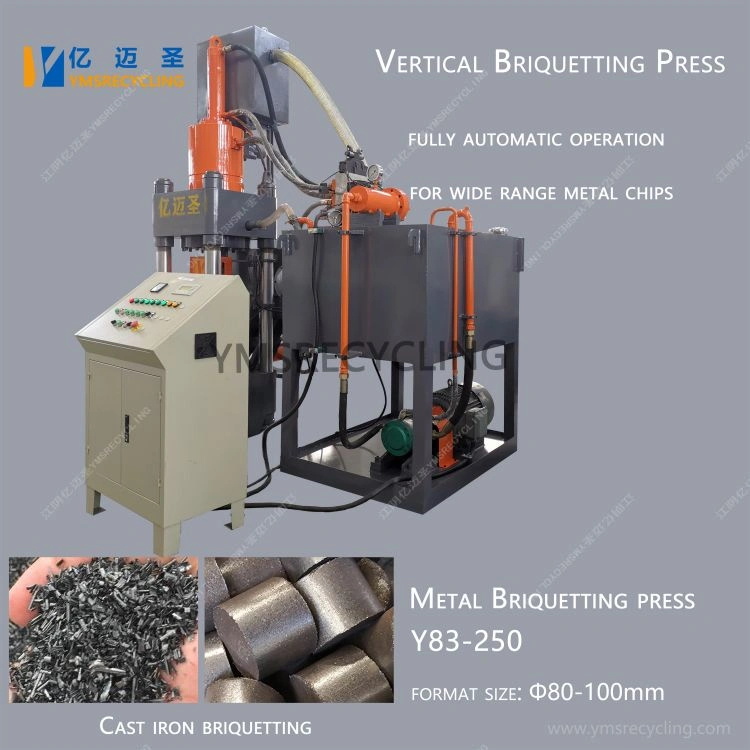
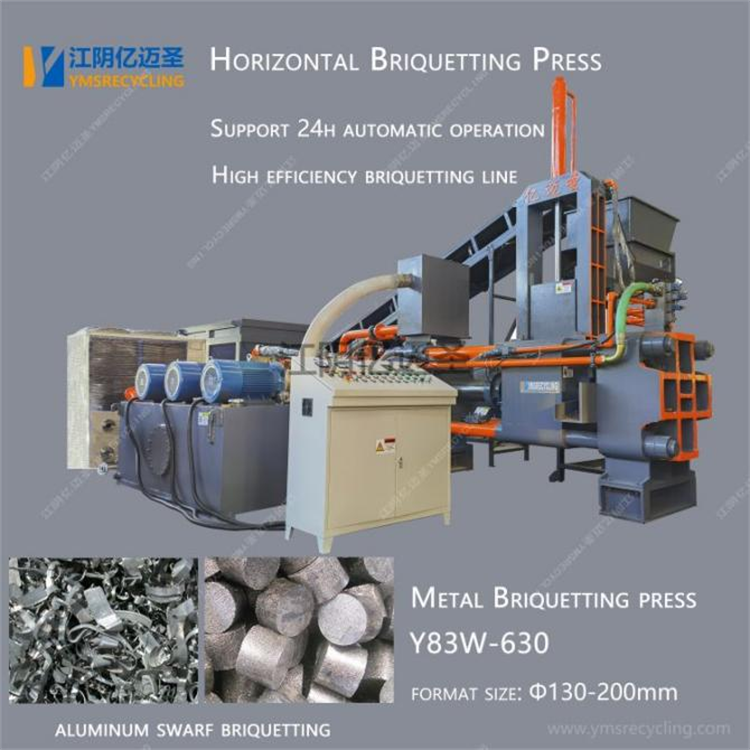
The hydraulic scrap metal baler machine is the indispensable core equipment in the modern metal recycling industry. It directly solves the fundamental problems of high transportation costs and inefficient storage of loose scrap metal by compressing bulky scrap into dense blocks. By utilizing immense hydraulic pressure, these machines reduce scrap volume significantly, thereby cutting logistics expenses and streamlining downstream smelting operations. For any enterprise dealing with metal waste, investing in a hydraulic baler is not merely an option for waste management, but a strategic necessity for achieving operational efficiency and maximizing profitability.
Content
Working Principle of Hydraulic Scrap Metal Balers
Understanding the operational mechanics of the hydraulic scrap metal baler machine is essential for optimizing its use. The machine operates on the fundamental principles of fluid mechanics, where pressurized hydraulic fluid is used to generate immense compressive force. When the operator activates the system, the hydraulic pump drives oil into the cylinder, pushing the piston and the attached pressing head forward with tremendous force. This force crushes the scrap metal confined within the chamber until it reaches the desired density and size.
The Compression Cycle
The entire compression process relies on a sequence of coordinated hydraulic movements. The cycle ensures that the metal is compressed uniformly from multiple directions to form a stable, transportable bale.
- Feeding: Loose scrap metal is loaded into the large compression chamber, either manually or via a conveyor system.
- Main Cylinder Compression: The primary hydraulic cylinder activates, pushing the main pressing head to crush the metal forward.
- Side Cylinder Compression: Lateral cylinders press from the sides to further compact the material, increasing the bale density.
- Tying and Ejection: Once compressed, steel wire or straps are threaded around the bale to maintain its shape. The ejector cylinder then pushes the finished bale out of the chamber.
Hydraulic System Dynamics
The hydraulic system is the heart of the baler. It consists of a reservoir, high-pressure pump, control valves, and heavy-duty cylinders. The system is designed to handle extreme pressure loads continuously. Modern hydraulic balers integrate advanced logic valves that ensure smooth transitions between compression phases, preventing sudden pressure shocks that could damage the machine or compromise the bale's structural integrity.
Major Types of Hydraulic Scrap Metal Balers
Different metal recycling facilities process varying volumes and types of scrap. Consequently, manufacturers have developed several distinct configurations of the hydraulic scrap metal baler machine to meet these diverse operational demands.
| Baler Type | Compression Direction | Typical Application |
|---|---|---|
| Closed-Door Baler | Horizontal | High-density baling of thin gauges |
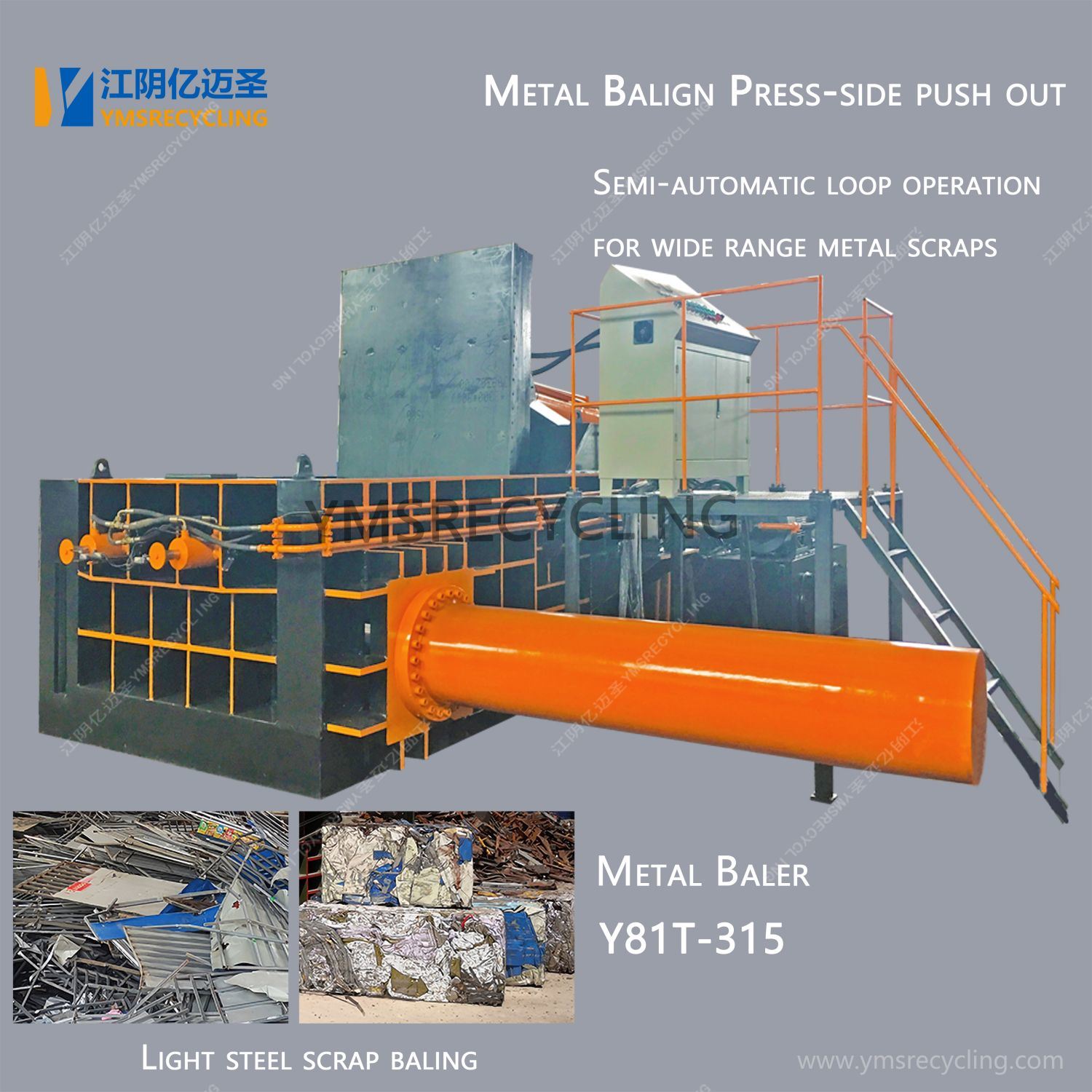
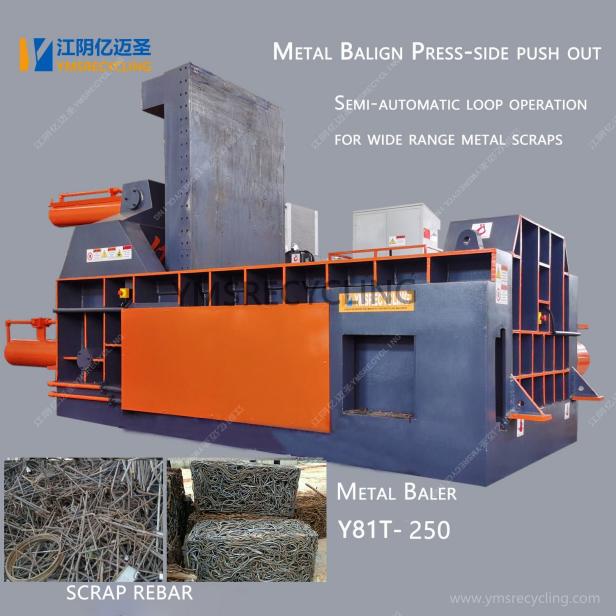
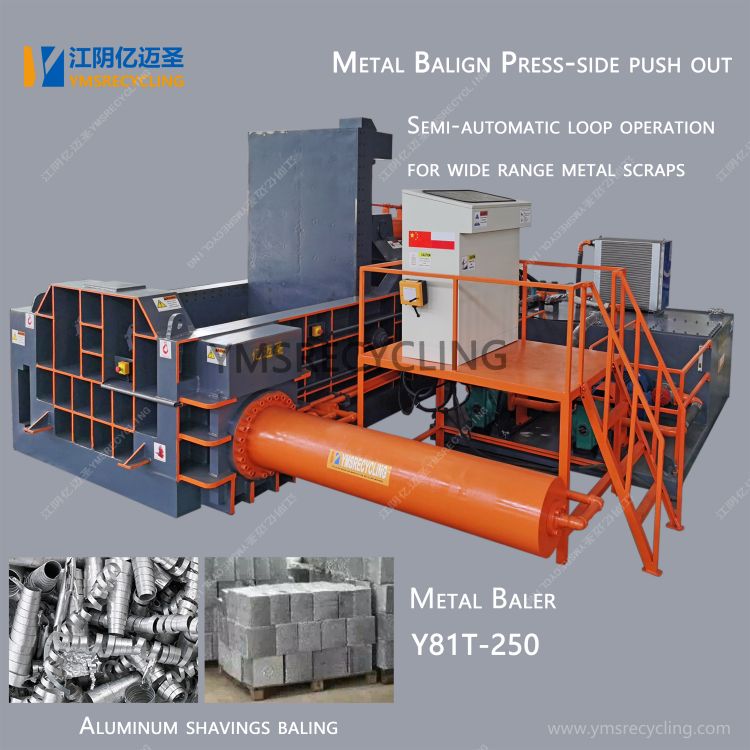
| Open-Door Extrusion Baler | Horizontal | Continuous processing of mixed scrap |
| Three-Direction Baler | Vertical and Horizontal | Heavy scrap requiring uniform density |
Closed-Door Balers
Closed-door balers are designed for maximum density. The chamber is sealed on one end, forcing the hydraulic ram to compress the metal against a solid wall until it reaches extreme density. Once the pressure gauge indicates the target is met, the door opens to eject the bale. These machines are particularly effective for processing thin-walled metal scraps, such as aluminum profiles and steel sheet offcuts, where maximum volume reduction is the priority.
Open-Door Extrusion Balers
Unlike closed-door models, open-door extrusion balers feature a rear-discharge design. As the hydraulic ram pushes forward, the compressed metal is forced through an extrusion chamber and out the back of the machine. This allows for a semi-continuous operation, making it highly efficient for scrap yards that process large volumes of mixed metals continuously. The density is controlled by the restriction of the extrusion die, providing consistent bale shapes.
Three-Direction Balers
For heavy and bulky scrap metals—such as crushed automobile bodies or thick steel plates—a three-direction baler is required. These machines apply hydraulic pressure from the top, the side, and the front simultaneously or in sequence. This multi-directional compression ensures that even the most resilient scrap is compacted into dense, manageable cubes, preventing spring-back and ensuring safe handling and transport.
Key Operational Advantages
The widespread adoption of hydraulic scrap metal baler machines in recycling facilities worldwide is driven by their substantial, measurable advantages over other forms of scrap handling.
Maximizing Logistics Efficiency
Loose scrap metal is inherently voluminous, meaning transport vehicles reach their maximum volume capacity long before hitting weight limits. By compressing the scrap, balers ensure that trucks carry maximum weight per trip. This volume reduction can drastically decrease the required number of trips, leading to significant savings in fuel, labor, and time. It transforms an inefficient logistics nightmare into a streamlined supply chain operation.
Optimizing Storage Space
Scrap yards and manufacturing facilities often face spatial constraints. Uncompressed scrap piles can occupy vast amounts of valuable real estate. Baling compresses this sprawling material into neat, stackable blocks. The resulting space optimization allows facilities to store more material safely without needing to expand their physical footprint, which is crucial for operations located in urban or confined industrial zones.
Improving Smelting Yield
The benefits of baling extend beyond the recycling yard into the steel mills and foundries. Dense metal bales have a high surface-to-mass ratio when charged into a furnace, allowing them to melt faster and more uniformly. Furthermore, tightly compressed bales trap less surface oxidation and trap less air, which reduces the amount of slag generated during the smelting process. This leads to a higher metallic yield and lower energy consumption per ton of molten metal produced.
Critical Factors for Machine Selection
Choosing the right hydraulic scrap metal baler machine requires a careful evaluation of the specific operational context. A mismatch between the machine's capabilities and the facility's needs can lead to bottlenecks or wasted capital.
Evaluating Processing Capacity
The required throughput is the most critical metric. Facilities processing several tons of light scrap per hour need a baler with a fast cycle time and a large feeding box. Conversely, a smaller fabrication shop generating minimal offcuts might only require a compact unit. It is vital to align the machine's cycle time and chamber volume with the daily influx of scrap material.
Matching Force to Material
The required pressing force depends directly on the type of metal being processed. Light aluminum scrap requires far less force to compress than heavy steel plate or mixed ferrous scrap. Selecting a machine with insufficient pressure will result in poorly formed, low-density bales, while choosing an oversized machine represents an unnecessary capital expenditure and energy drain. Accurately categorizing your primary scrap feed ensures you select the optimal tonnage rating.
Essential Maintenance Practices
A hydraulic scrap metal baler machine operates under extreme stress. Without rigorous maintenance, component wear will lead to decreased performance, costly downtime, and potential safety hazards. Proactive care is the key to longevity.
Hydraulic Fluid Management
The hydraulic oil is the lifeblood of the system. It must be kept clean and at the correct operating temperature to ensure efficient power transmission and lubrication. Contaminated oil is the primary cause of pump failures and valve malfunctions. Facilities must implement strict schedules for checking oil clarity, replacing filters, and monitoring operating temperatures to prevent thermal degradation of the fluid.
Wear Part Inspection
The cutting blades and chamber liners are subject to continuous abrasion from sharp and hard metal edges. Dull cutting blades force the hydraulic system to work harder, increasing energy consumption and generating excessive heat. Regular inspection and timely rotation or replacement of wear parts are essential to maintain the machine's efficiency and prevent catastrophic damage to the main pressing structure.
Seal and Hose Integrity
Hydraulic cylinders rely on high-pressure seals to maintain force. Over time, the extreme pressure and temperature fluctuations cause these seals to degrade, leading to internal or external leaks. Similarly, the high-pressure hoses are under constant strain. Routine visual inspections for seepage, cracking, or bulging in hoses and seals can prevent sudden failures that would halt production entirely.
Safety Protocols and Operational Standards
The sheer power of a hydraulic scrap metal baler machine makes it inherently dangerous if not operated correctly. Establishing and enforcing strict safety protocols is non-negotiable for protecting personnel and ensuring regulatory compliance.
Operator Training Requirements
Only trained and authorized personnel should be permitted to operate the baler. Training must cover not only the standard operating procedures but also the recognition of potential hazards, such as spring-back from twisted metal, and the correct emergency stop procedures. Refresher training should be conducted periodically to prevent complacency.
Lockout/Tagout Procedures
Any maintenance or clearing of jams inside the compression chamber requires the complete de-energization of the machine. Strict adherence to lockout/tagout protocols ensures that the hydraulic system cannot be accidentally activated while a person is inside the chamber. Bypassing these procedures is a leading cause of severe industrial accidents.
Personal Protective Equipment
All personnel in the baler operating area must wear appropriate personal protective equipment. This includes hard hats, safety glasses, steel-toed boots, and heavy-duty gloves. The ejection of bales and the handling of sharp scrap edges present significant physical risks that can only be mitigated through proper protective gear and maintaining a safe operational perimeter around the machine.