 English
 русский
 Español

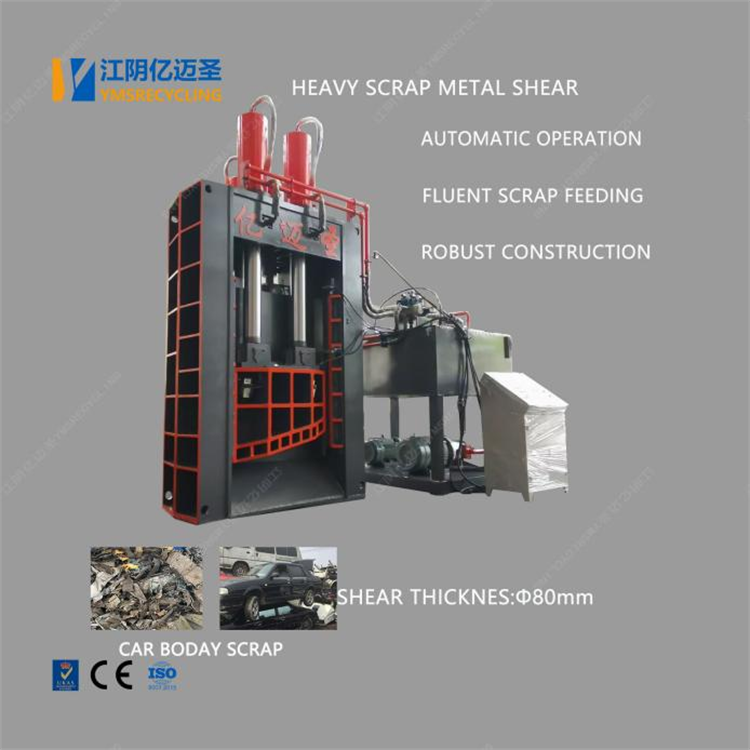
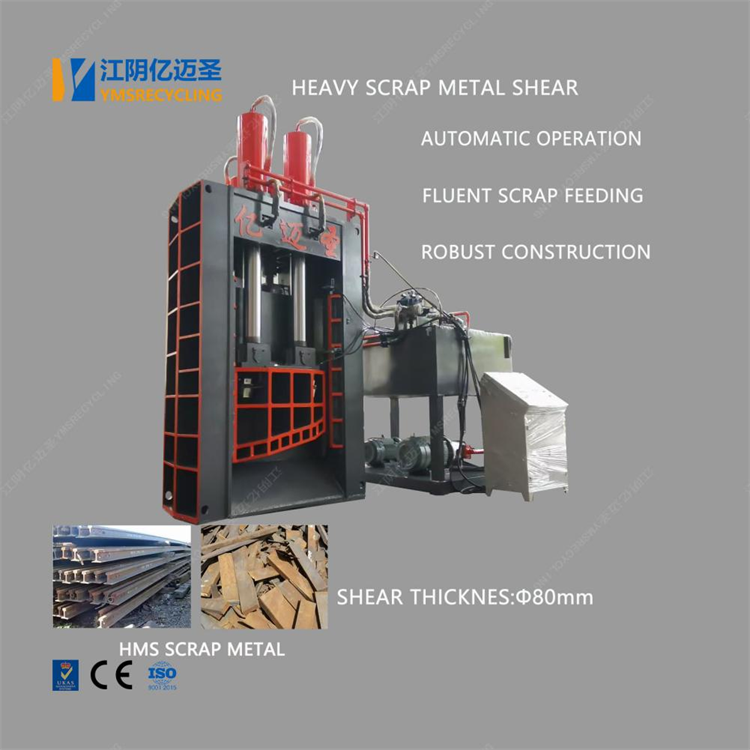
A heavy scrap metal shear machine is an essential piece of industrial equipment specifically engineered to cut, process, and reduce the volume of bulky, tough metal waste. The primary conclusion is that these machines are the backbone of modern metal recycling, directly transforming unmanageable scrap into transportable, furnace-ready materials. Without the immense cutting force provided by these shears, processing large structural beams, end-of-life vehicles, and thick industrial plate metal would be economically unviable and highly dangerous. By utilizing immense hydraulic pressure, a heavy scrap metal shear can cleanly slice through solid steel, preparing it for downstream smelting and remanufacturing. This process not only conserves natural resources but also significantly reduces the energy required to produce new metal compared to mining raw ores.
Content
Operating Principles and Mechanisms
Understanding how a heavy scrap metal shear machine operates is crucial for appreciating its value in the recycling chain. The machinery relies on a combination of mechanical engineering and fluid dynamics to achieve its purpose. By converting fluid pressure into immense mechanical force, the machine can overcome the shear strength of thick metals.
Hydraulic Power and Force Transmission
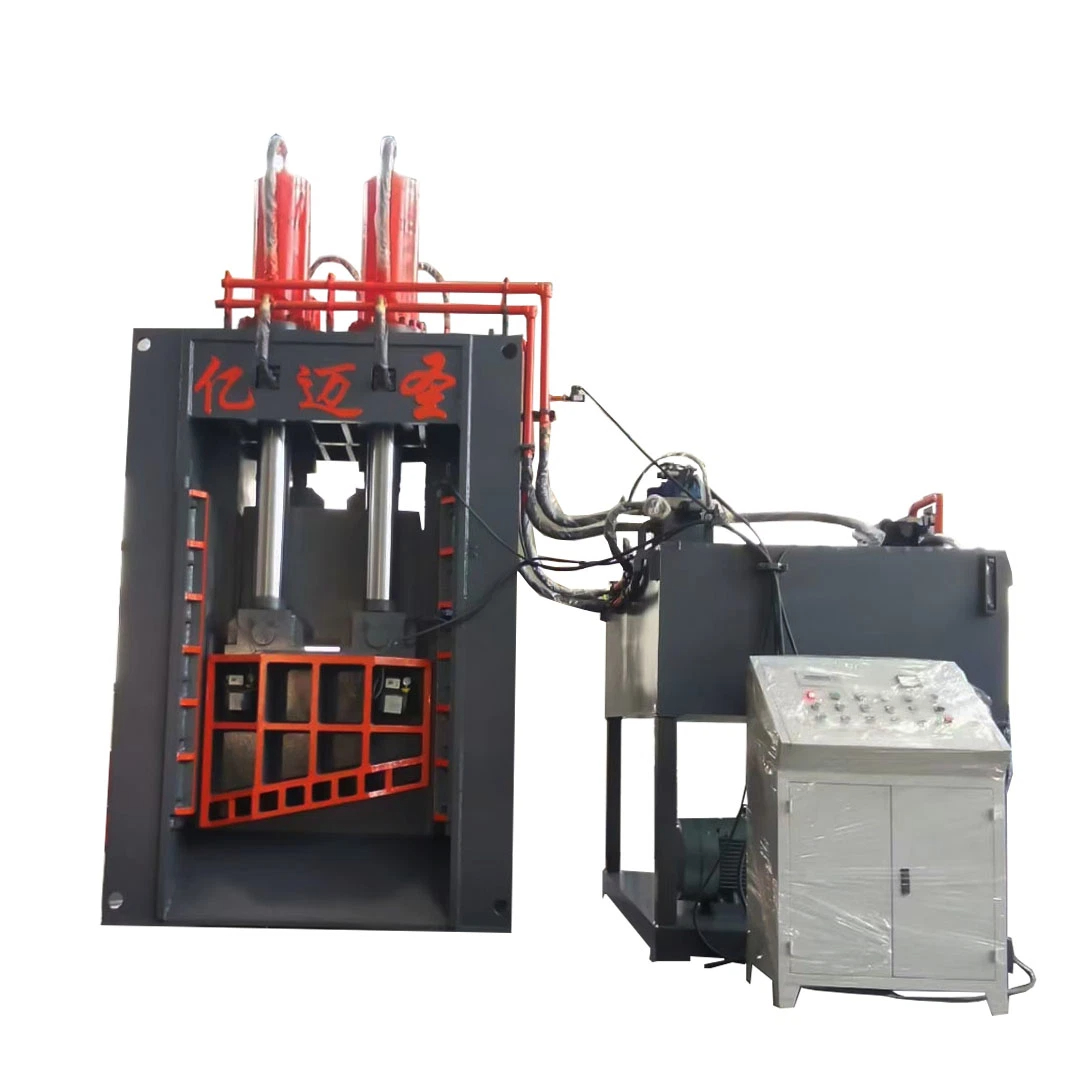
The heart of the machine is its hydraulic system. An electric motor drives a hydraulic pump, which forces hydraulic oil into large cylinders. This oil pressure pushes a piston forward with tremendous force. The pressure generated can often exceed hundreds of tons, allowing the machine to slice through thick steel as easily as a standard pair of scissors cuts through paper. The reliability of this system determines the overall lifespan and duty cycle of the shear.
The Shearing Process
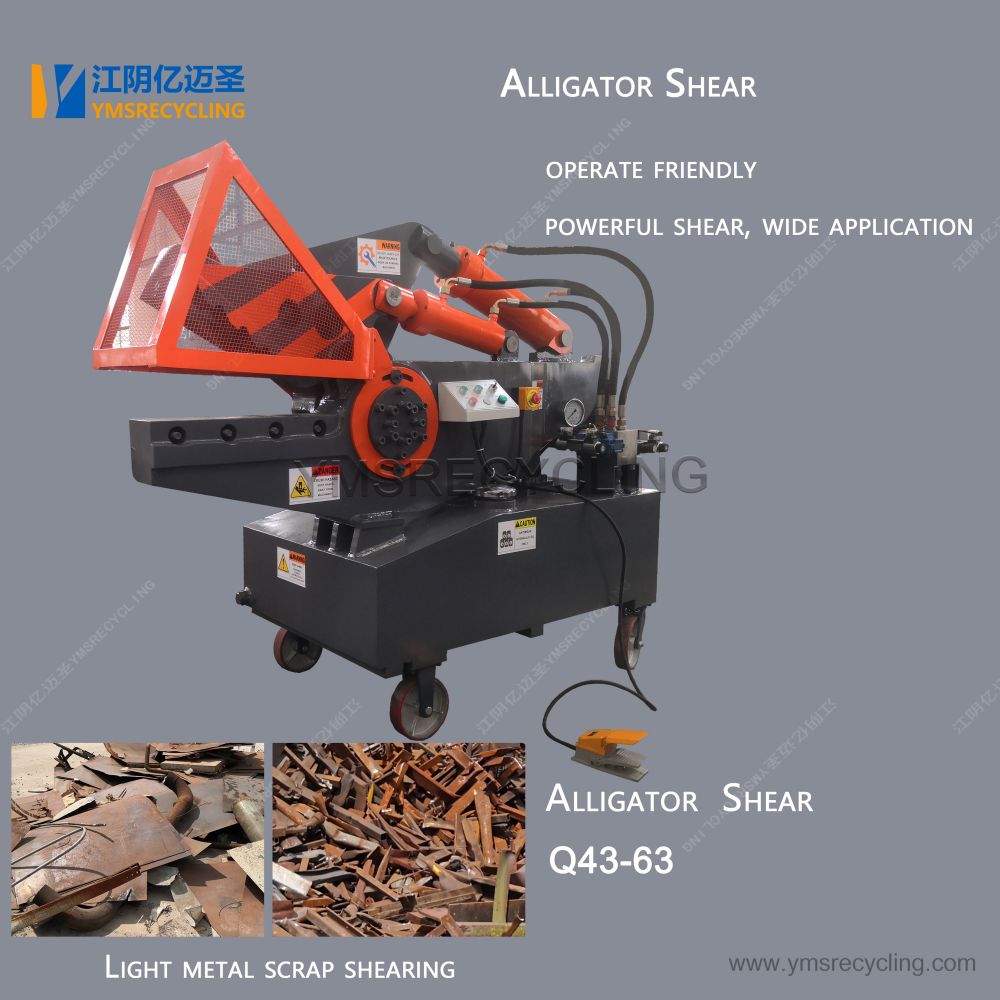
The actual cutting is performed by a moving upper blade and a stationary lower blade. When scrap metal is fed into the compression box, a holding cylinder presses down on the material to prevent it from shifting during the cut. Once secured, the main shearing cylinder drives the upper blade down past the lower blade. The tight tolerance and high-grade steel of these blades ensure a clean cut without tearing or deforming the metal, which is vital for producing high-quality scrap feedstock.
Key Benefits of Utilizing Heavy Shears
Integrating a heavy scrap metal shear into a recycling operation offers numerous advantages that directly impact the bottom line. From operational efficiency to workplace safety, the benefits are comprehensive and transformative for scrap yards and demolition companies.
- Unmatched Processing Speed: These machines can process large volumes of scrap metal continuously, drastically reducing the time it takes to clear a site or empty a yard.
- Enhanced Operator Safety: By enclosing the cutting process within a robust housing and utilizing remote control operations, the risk of injury from flying debris or manual handling is minimized.
- Optimized Logistics and Transport: Sheared metal is denser and more uniform in size. Processing scrap into smaller, compact pieces can reduce transport costs significantly, as trucks can be loaded to their maximum weight capacity rather than filling up with air gaps in bulky scrap.
- Improved Smelting Efficiency: Steel mills prefer smaller, uniformly cut scrap because it melts more evenly and quickly, requiring less energy during the smelting process.
Primary Applications in the Recycling Industry
The versatility of a heavy scrap metal shear machine allows it to be deployed across various sectors within the recycling and demolition industries. Different types of metal waste require robust processing capabilities to be effectively recycled.
End-of-Life Vehicle Processing
When cars reach the end of their usable life, they are often compacted into bales. However, before smelting, these bales must be broken down. Heavy shears are used to slice through entire crushed vehicle bodies, separating the dense steel for immediate recycling.
Demolition and Structural Steel
Demolishing factories or bridges leaves behind massive I-beams, pipes, and structural girders. These pieces are far too large for standard transport and smelting. Shears are brought in to cut these colossal structures into manageable lengths right at the demolition site.
Industrial Scrap Management
Manufacturing plants generate heavy offcuts, defective parts, and machinery components. A heavy shear allows these facilities to process their internal scrap efficiently, turning production waste into a valuable secondary raw material stream.
Factors to Consider When Selecting a Shear
Choosing the right heavy scrap metal shear machine requires a thorough understanding of your specific operational needs. Not all shears are built the same, and selecting an undersized or overcomplicated machine can lead to inefficiencies.
| Factor | Description | Why It Matters |
|---|---|---|
| Cutting Force | The maximum tonnage the machine can deliver. | Determines the thickness and type of metal it can process. |
| Cycle Time | The time taken for one complete cutting motion. | Directly impacts the overall throughput and daily processing volume. |
| Compression Box Size | The physical dimensions of the feeding chamber. | Dictates the maximum size of the scrap pieces that can be loaded. |
| Mobility | Stationary vs. mobile/tracked configurations. | Mobile units are ideal for demolition sites; stationary for scrap yards. |
Maintenance and Safety Best Practices
To ensure longevity and safe operation, a heavy scrap metal shear machine requires rigorous maintenance protocols. Neglecting these practices can lead to catastrophic equipment failure and severe safety hazards.
Routine Hydraulic System Inspections
The hydraulic fluid is the lifeblood of the shear. Regular checks for contamination, leaks, and proper fluid levels are mandatory. Clean hydraulic oil can extend the lifespan of the pumps and cylinders by preventing premature wear on internal components. Filters should be replaced according to the manufacturer's schedule to maintain optimal system pressure.
Blade Maintenance and Replacement
The cutting edges will inevitably dull over time, especially when processing abrasive materials. Blades should be regularly inspected for nicks and cracks. Many heavy shears use reversible blades, allowing operators to flip the blade to use a fresh edge before a complete replacement is necessary. Maintaining the correct blade gap is also critical for achieving clean cuts and preventing excessive stress on the machinery.
Operator Training and Safety Protocols
Even the most advanced machine is only as safe as its operator. Comprehensive training programs must be enforced. Operators should follow these core safety steps:
- Conduct a pre-shift visual inspection of all safety guards and emergency stop buttons.
- Ensure the feeding area is completely clear of personnel before initiating a cut.
- Never attempt to clear a jam or adjust material while the machine is powered on and pressurized.
- Wear appropriate personal protective equipment, including hard hats, safety glasses, and steel-toed boots, at all times.
Future Trends in Metal Shearing Technology
The industry is continuously evolving, with new technologies being integrated into heavy scrap metal shear machines to improve efficiency and environmental compliance. Automation is becoming increasingly prevalent, with programmable logic controllers optimizing the cutting cycle based on the density and size of the incoming scrap. Furthermore, electric-hybrid hydraulic systems are being developed to reduce energy consumption and lower the carbon footprint of large-scale recycling operations. Investing in modern shearing technology not only boosts processing capabilities but also aligns with global sustainability goals. As recycling demands grow, these machines will continue to play a pivotal role in resource management, becoming smarter, safer, and more efficient.