 English
 русский
 Español

Qualified scrap metal baler machine manufacturers focus on customized production matching different scrap metal recycling scenarios, with core competitiveness concentrated in structural design optimization, raw material configuration and after-sales technical service. Over sixty percent of mature manufacturers in the industry formulate production specifications according to regional waste metal composition differences, instead of producing unified standard baling equipment blindly. Most professional manufacturers build complete production chains covering raw material cutting, component processing, overall assembly and factory test running, which directly determines the stability and service life of finished scrap metal balers. For downstream recyclers, choosing compliant manufacturers can effectively cut long-term equipment maintenance cost by a considerable margin and improve daily metal compressing efficiency.
The core positioning of scrap metal baler machine manufacturers is to serve the circular economy sector centered on scrap metal resource regeneration. Unlike general machinery processing factories, these manufacturers need to keep pace with the upgrading of domestic and international waste metal recovery policies and market raw material fluctuation, constantly adjust equipment design parameters and supporting configurations. Many leading production entities set up independent R&D departments to tackle difficult compression problems brought by diversified scrap metal including thin iron sheet, thick steel leftover, aluminum scrap and copper leftover materials.
Content
- 1 Basic Industry Background of Scrap Metal Baler Machine Manufacturing Sector
- 2 Core Production System of Standard Scrap Metal Baler Machine Manufacturers
- 3 Main Product Classification R&D Layout for Scrap Metal Baler Manufacturers
- 4 Key Service System Constructed by Reliable Scrap Metal Baler Machine Manufacturers
- 5 Practical Tips to Screen Trustworthy Scrap Metal Baler Machine Manufacturers
- 6 Future Development Trend of Global Scrap Metal Baler Machine Manufacturers
Basic Industry Background of Scrap Metal Baler Machine Manufacturing Sector
Market Demand Drivers Pushing Manufacturer Industry Development
Global resource recycling policies are the primary driving factor for the sustained expansion of scrap metal baler machine manufacturers. With the popularization of circular economy concepts across manufacturing, construction and metal processing industries, massive scrap metal generated from factory leftover, waste construction steel and discarded hardware needs centralized compression treatment before smelting and secondary processing. Compressed metal blocks greatly reduce transportation space and smelting fuel consumption, making baling equipment an essential facility for nearly all medium and large-scale scrap recycling enterprises.
- Global annual increment of recyclable scrap metal keeps rising year by year, driving continuous new order demands for baler manufacturers.
- Many regions introduce preferential subsidies for waste resource recycling enterprises, indirectly stimulating recyclers to replace outdated baling machines and place procurement orders to manufacturers.
- Rising bulk cargo transportation cost prompts recycling factories to prioritize high-density baled metal, boosting customized production demands for manufacturers.
According to industry statistical data, more than half of newly-built scrap metal recycling bases will complete baler equipment procurement within their first year of construction, creating stable long-term market orders for upstream manufacturing factories. Small-sized scattered recycling workshops also gradually phase out primitive manual bundling modes and shift to small and medium-sized hydraulic balers supplied by specialized manufacturers, further widening the market coverage of manufacturing enterprises.
Regional Distribution Characteristics of Production Manufacturers
Scrap metal baler machine manufacturers show obvious agglomeration features in geographic distribution, most concentrated in industrial developed areas with complete upstream mechanical accessory supply chains. Areas boasting mature steel processing, hydraulic component production and casting supporting industries gather most mainstream manufacturers, thanks to convenient raw material procurement and short accessory delivery cycles, helping manufacturers control overall production cost and shorten equipment delivery cycles for clients.
| Manufacturer Type | Main Gathering Area Feature | Core Product Orientation |
|---|---|---|
| Large-scale Professional Manufacturer | Complete industrial cluster zone | Large horizontal heavy-duty balers |
| Medium-sized Processing Factory | Suburban mechanical processing park | Vertical medium hydraulic balers |
| Small Workshop Manufacturer | Township machinery intensive region | Mini manual assisted balers |
Remote regions lacking supporting machinery industries mostly rely on finished equipment procurement from concentrated manufacturing zones, local manufacturers in such areas are limited to simple maintenance and secondary transformation instead of independent whole-machine development and production.
Core Production System of Standard Scrap Metal Baler Machine Manufacturers
Raw Material Selection and Incoming Inspection Standard
Raw material selection directly decides the wear resistance and compression bearing capacity of scrap metal balers, so formal manufacturers set strict incoming inspection rules for steel plates, hydraulic oil cylinders, sealing parts and motor components. The box body of balers bears continuous impact from hard scrap metal during daily operation, hence qualified manufacturers select high-strength alloy steel for key box parts rather than ordinary carbon steel plate used by irregular small processing plants.
- All incoming steel raw materials need physical property sampling inspection to confirm tensile strength and hardness indexes meet production design drawings;
- Hydraulic core accessories sourced from upstream suppliers must attach factory inspection certificate before warehousing and assembly;
- Rubber sealing elements for hydraulic system pass anti-aging test to adapt continuous long-hour working environment of baling equipment.
Unregulated manufacturers usually cut cost by using recycled inferior steel and refurbished hydraulic parts, leading to frequent oil leakage, box deformation and cylinder damage after short-term equipment operation, which becomes a key distinguishing point between formal and non-standard manufacturers.
Complete Processing and Assembly Workflow Inside Factories
A complete production flow of scrap metal baler in regular manufacturers covers blanking, numerical control cutting, bending forming, welding processing, component pre-assembly, whole machine assembly and offline trial run seven major links. Each working link is matched with dedicated processing workers and inspection posts to eliminate unqualified semi-finished products in advance.
- Numerical control cutting ensures the dimensional precision of each box component, reducing the assembly gap caused by rough manual cutting;
- Key welding positions of baler body adopt full penetration welding technology to avoid cracking under long-term high-pressure compression.
- Finished balers go through continuous no-load and load compression test before leaving factory to adjust hydraulic pressure parameter to standard range.
Normative manufacturers will reserve 2 to 3 days for whole machine trial operation before delivery, checking hidden faults of hydraulic drive, electrical control and mechanical transmission system one by one, greatly lowering after-sales failure probability of delivered equipment.
Main Product Classification R&D Layout for Scrap Metal Baler Manufacturers
Based on differences of scrap metal type, daily processing volume and on-site installation space of downstream clients, professional manufacturers divide baler products into multiple categories and carry out targeted structural optimization in R&D and production. Different product lines correspond to independent production workshops and technical teams inside manufacturers to guarantee specialized production efficiency.
Vertical Hydraulic Scrap Metal Baler Series
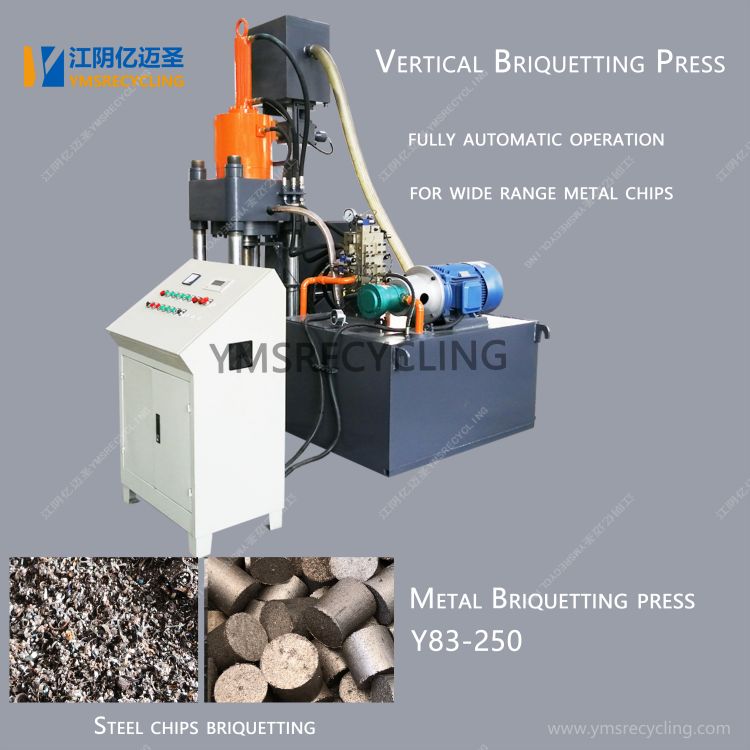
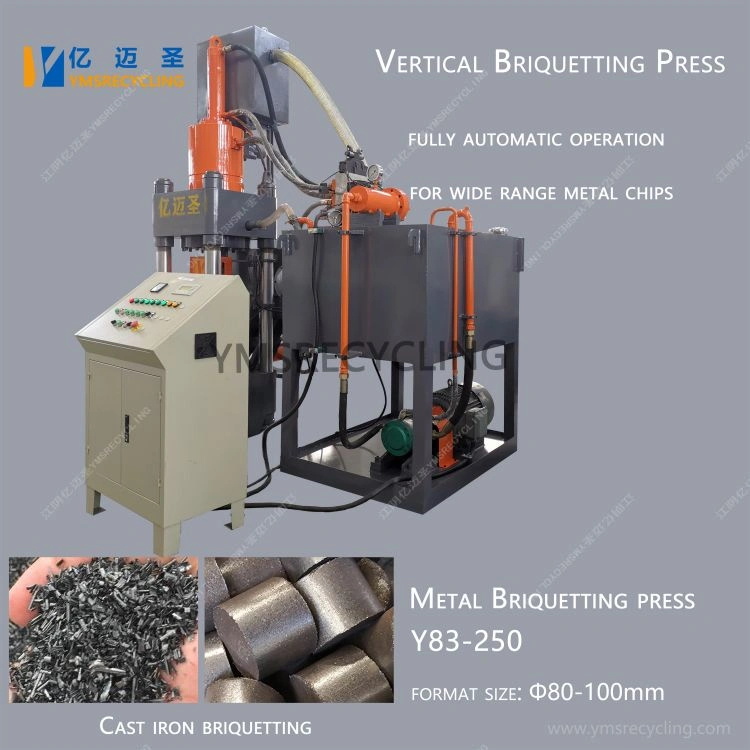
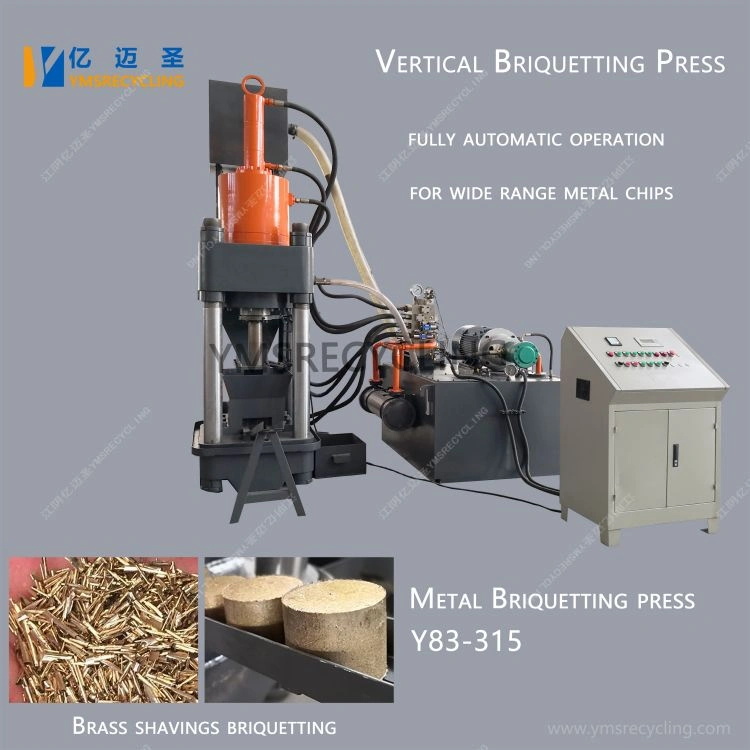
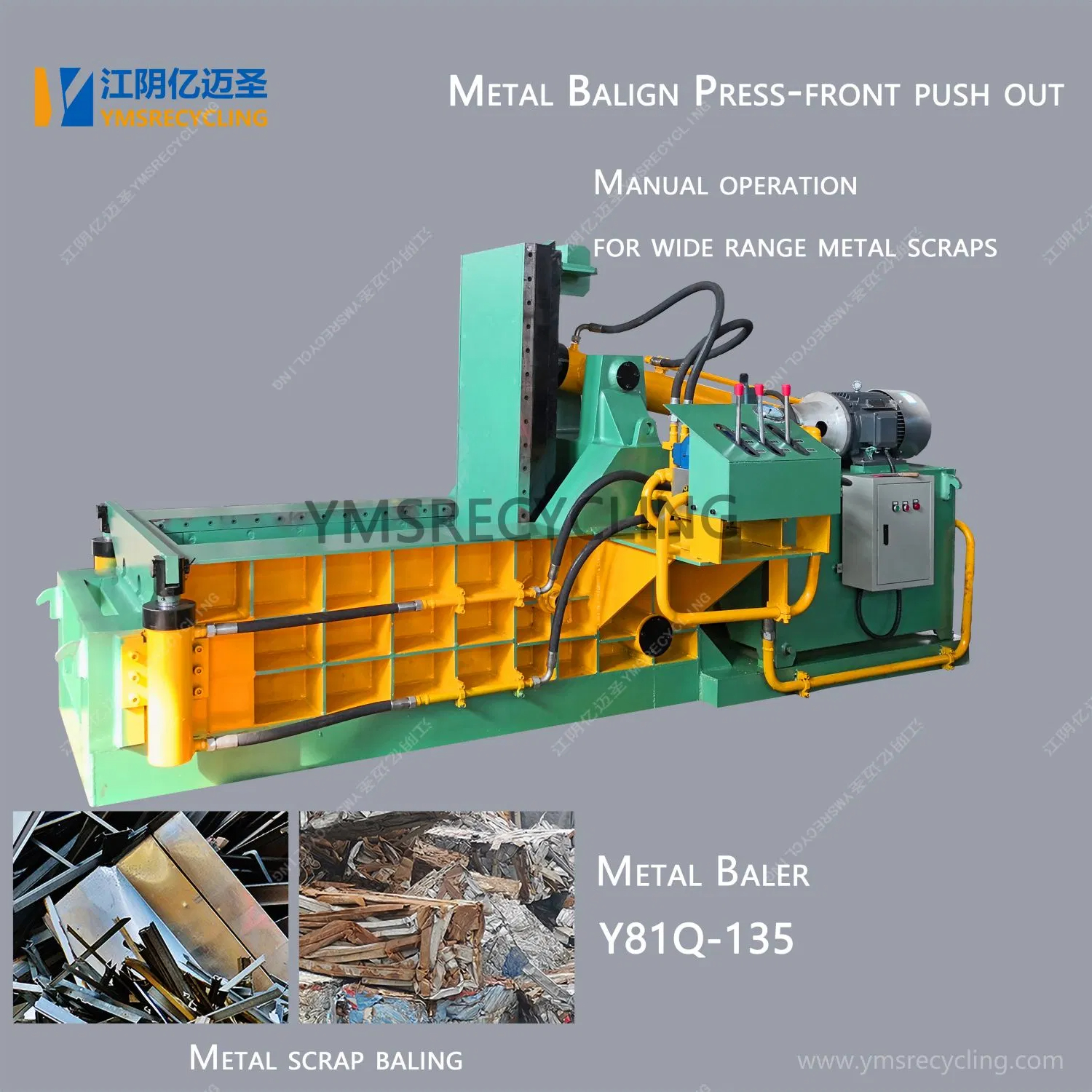
This type of equipment occupies small floor space, mainly developed and produced for small recycling workshops and scattered metal processing factories with limited site area. Manufacturers simplify feeding structure properly while retaining complete hydraulic compression system, suitable for compressing copper scrap, aluminum leftover and thin iron leftover with small single feeding quantity. Many manufacturers reserve customized transformation space for vertical balers to add automatic feeding hopper according to later user demand.
Horizontal Large-sized Scrap Metal Baler Series
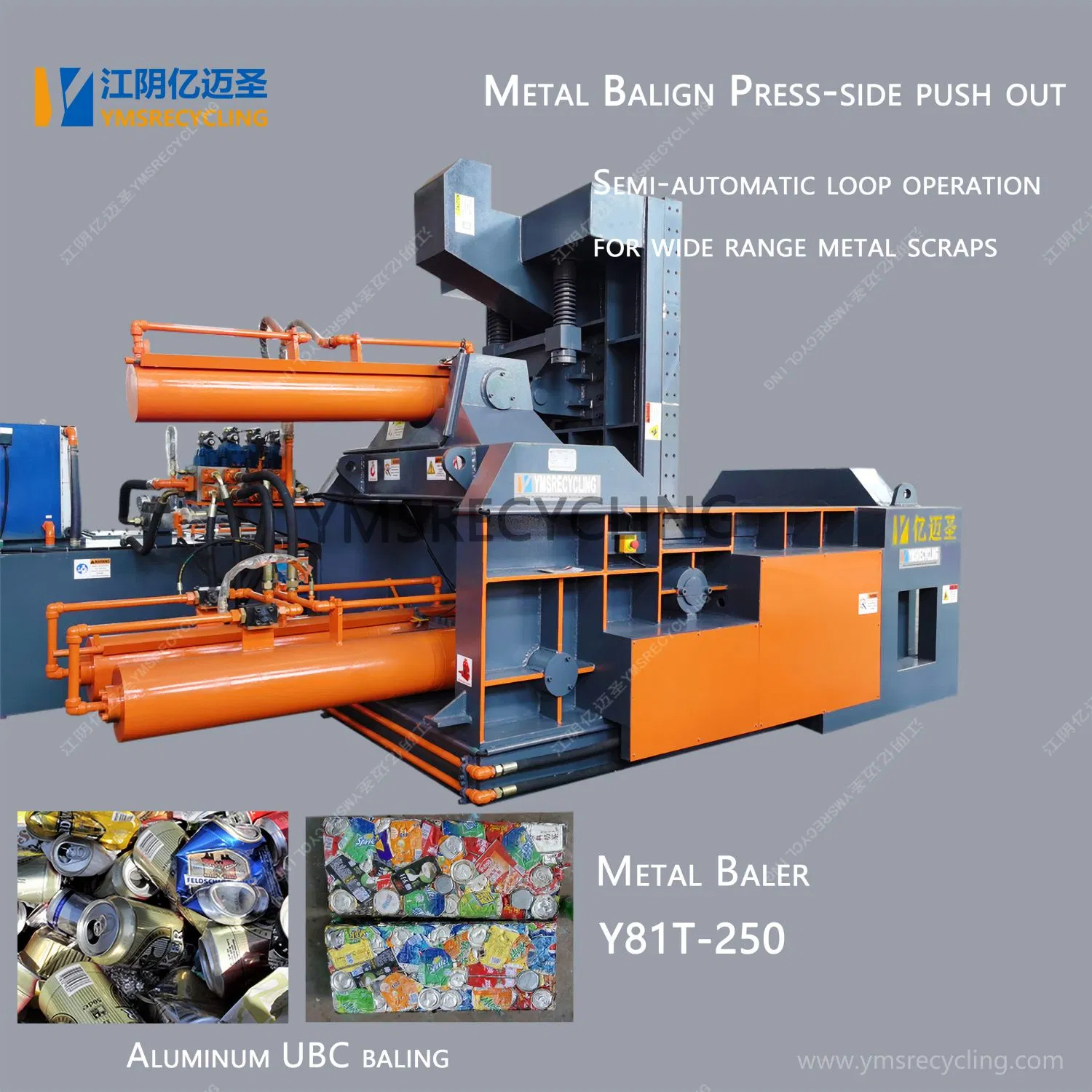
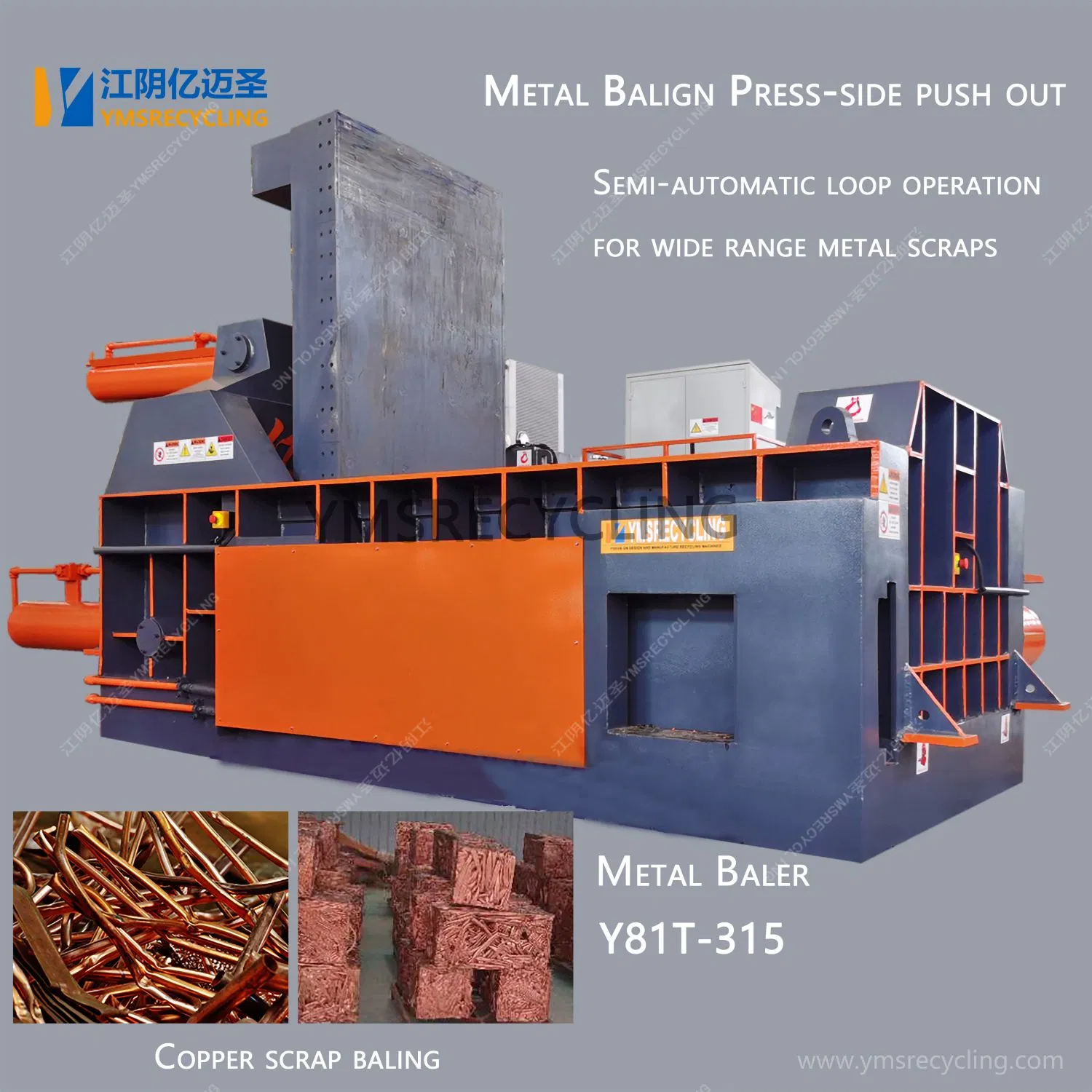
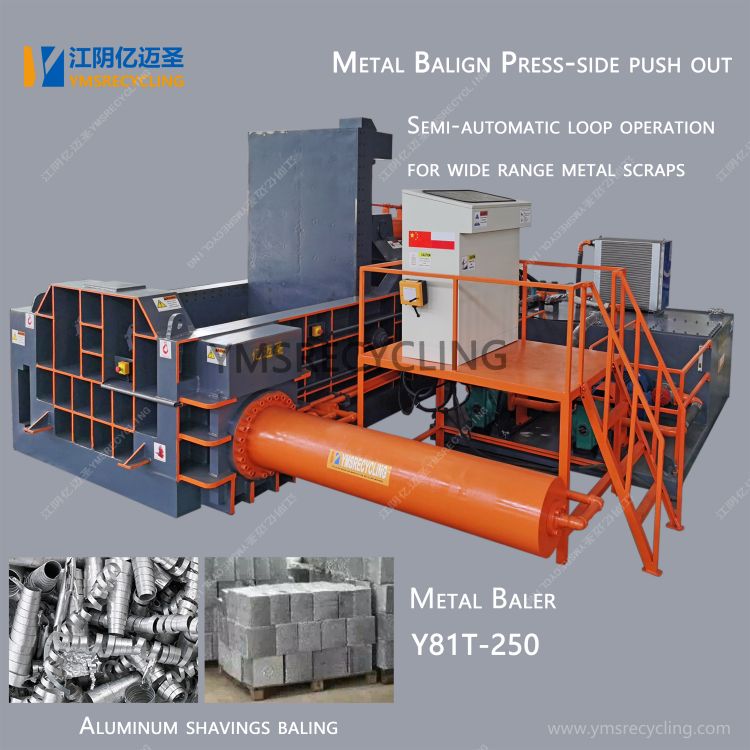
Horizontal heavy-duty balers are core flagship product for large-scale manufacturers, oriented to large scrap metal recycling yards and metallurgical raw material pretreatment enterprises. Equipped with automatic feeding conveyor and continuous pushing structure, these machines can cope with bulk waste steel, thick scrap iron and mixed assorted metal scraps. Manufacturers invest more R&D cost on horizontal baler’s hydraulic power system to realize high-density block forming of hard thick metal waste.
Special Split-type Baler for Extra-large Scrap
A small number of mature manufacturers independently develop split type baling equipment targeting oversized scrap metal such as waste vehicle steel frame and large mechanical shell. Split design solves the difficulty of whole-machine transportation and on-site installation for ultra-large balers, becoming differentiated competitive product for high-end manufacturers to seize special engineering recycling orders.
Key Service System Constructed by Reliable Scrap Metal Baler Machine Manufacturers
Pre-sale Site Survey and Customized Design Service
Excellent manufacturers arrange professional technical engineers to complete on-site investigation for clients before order signing, collecting actual data including on-site space size, daily scrap metal output and main waste metal types. According to collected field data, technical departments adjust baler compression cavity size, feeding mode and hydraulic power configuration instead of recommending fixed standard model mechanically. This pre-sale customized design effectively avoids equipment mismatching problem after user purchase, which is an important service difference between formal manufacturers and small casual processing vendors.
Mid-term Installation Guidance and Operator Training
After finished equipment delivery, regular manufacturers dispatch field service technicians to client’s production site for on-machine installation, debugging and parameter calibration work. Meanwhile, free operation training is provided for factory operators covering daily startup specification, routine inspection item and simple minor fault troubleshooting. Standardized training helps operators master correct equipment usage habits and reduce unnecessary equipment damage caused by improper operation.
Long-term After-sales Spare Parts Supply and Maintenance Service
Top-tier manufacturers build long-term spare parts inventory system to guarantee quick supply of vulnerable accessories within short delivery cycle. Wearing parts like sealing rings, wear-resistant lining plates and hydraulic valves are stored in regional spare parts warehouses, shortening waiting time for users’ equipment maintenance and minimizing production halt loss brought by component damage. Besides regular spare parts supply, many manufacturers launch periodic return visit service to track equipment running status and provide free maintenance suggestion for clients.
- Quarterly remote follow-up check of equipment operation feedback via online communication;
- Annual optional paid on-site comprehensive overhaul service launched for long-term cooperative clients;
- Timely technical update notice when core component design of baler gets iterative upgrade.
Practical Tips to Screen Trustworthy Scrap Metal Baler Machine Manufacturers
For scrap recycling enterprise purchasers, mastering practical screening methods helps filter out qualified manufacturers and avoid economic loss caused by selecting low-quality equipment from non-standard processing factories. Multiple inspection dimensions can be combined to comprehensively assess overall strength of target manufacturers before formal cooperation.
- Conduct field factory inspection to view actual production workshop, processing equipment and finished baler stock, verifying real production capacity of the manufacturer;
- Request to visit existing cooperative user sites of the manufacturer to check long-term running condition of delivered baler products;
- Check manufacturer’s production qualification documents and internal product inspection management system to confirm standardized production management level;
- Detail after-sales service commitment into formal purchase contract to clarify spare parts supply cycle and maintenance responsibility division.
Purchasers should stay alert for ultra-low quotation far below average market level, such abnormal pricing usually implies manufacturers cut cost via inferior raw material and simplified production process, bringing hidden troubles of frequent breakdown and short service life for later baler usage. Comparing technical scheme and service content from two to three different manufacturers is a prudent procurement operation mode for medium and large baler procurement projects.
Future Development Trend of Global Scrap Metal Baler Machine Manufacturers
Driven by continuous upgrade of global circular economy regulation and intelligent manufacturing technology, scrap metal baler machine manufacturers are stepping into industrial upgrading period focusing on intelligent, energy-saving and environmental-friendly transformation. Future industrial competition will shift from simple equipment price competition to comprehensive competition of product intelligence level, energy consumption control and full-cycle service capability.
- More manufacturers add intelligent PLC automatic control module into baler design to realize automatic feeding, compression and block ejection whole-process unattended operation;
- Energy-saving hydraulic circuit optimization becomes core R&D direction, helping users lower daily equipment power consumption and cut long-term production cost;
- Environment-friendly noise reduction and dust-proof structure is gradually configured as standard accessory on new generation balers produced by mainstream manufacturers.
Small-sized backward manufacturers lacking R&D capability will face gradual market elimination, while powerful manufacturers with independent technical development ability will further expand market share via iterative product upgrading and global market layout. Cross-border customized production matching different national environmental and recycling policy standards will also become important growth point for outstanding scrap metal baler machine manufacturers in the coming years.