 English
 русский
 Español

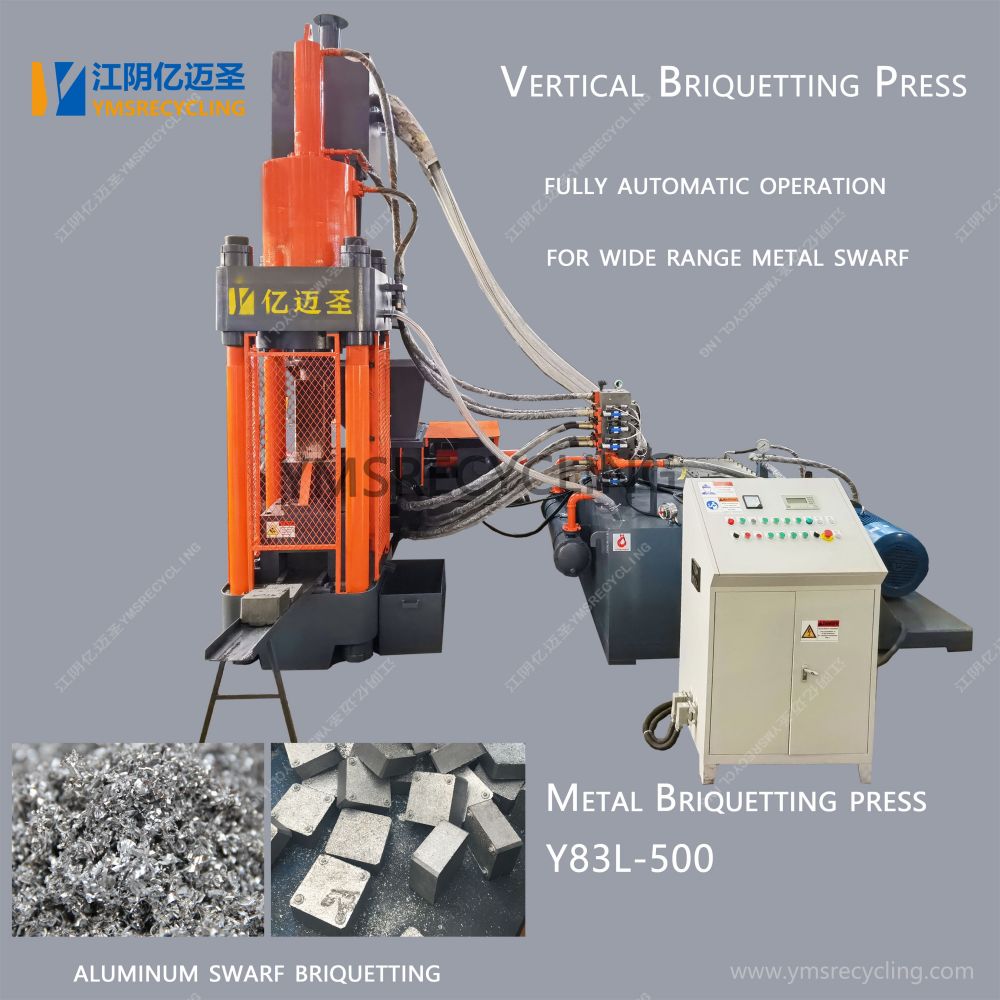
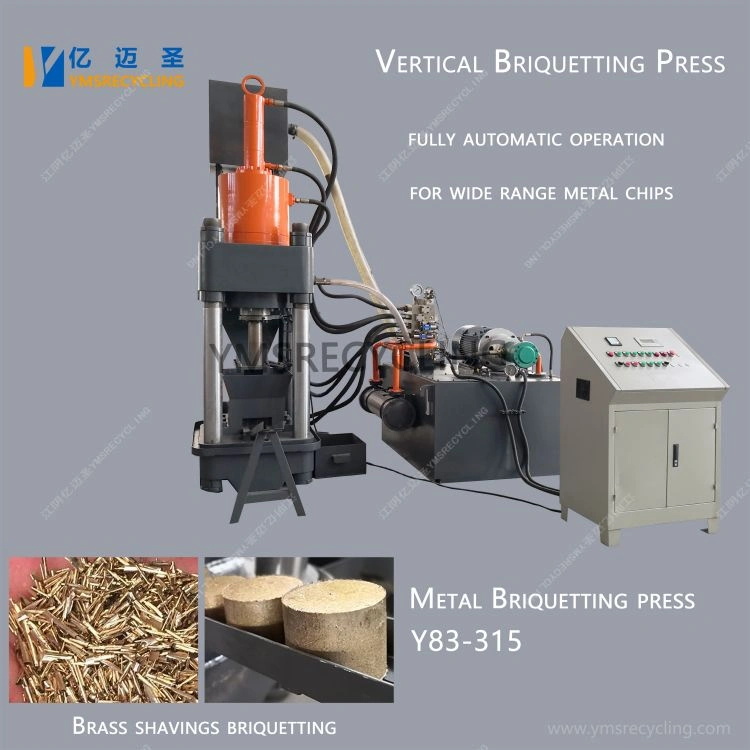
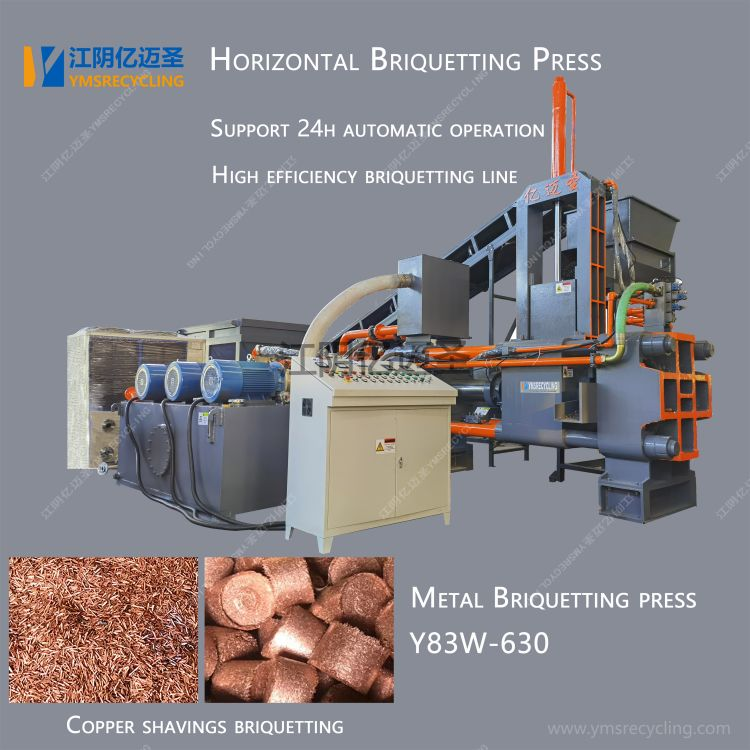
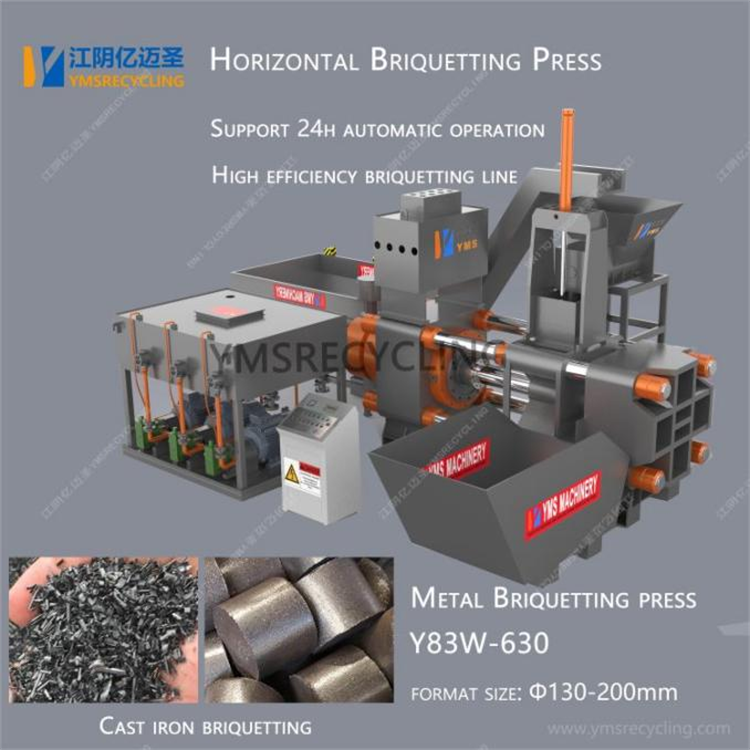
A scrap metal chips briquetting machine is an essential industrial solution that compacts loose metal shavings and chips into dense, solid briquettes. This process directly addresses the challenges of storing, transporting, and recycling metal waste by significantly reducing the volume of the material. Ultimately, utilizing this machinery allows manufacturing facilities to recover valuable cutting fluids, lower scrap handling expenses, and command a higher selling price from metal recyclers.
Content
Working Principle and Core Technological Components
The fundamental operation of a metal chips briquetting machine relies on extreme hydraulic or mechanical pressure. Loose metal chips are fed into a hopper, where an auger or conveyor transports them into a compression chamber. Inside this chamber, a heavy-duty hydraulic ram exerts massive force, squeezing the metal particles together. The immense pressure causes the metal to cold-weld, forming a solid, cylindrical briquette without the need for additional binding agents or heat.
Key Machine Components
- Feed Hopper and Auger System: Ensures a consistent and controlled flow of metal chips into the compression chamber, preventing blockages.
- Hydraulic Power Unit: The heart of the machine, generating the necessary force to compress metal chips. The power of this unit dictates the density and output capacity of the briquettes.
- Compression Chamber and Ram: The physical mold where the metal chips are compacted. It is typically lined with wear-resistant materials to withstand abrasive metal shavings.
- Coolant Extraction System: Integrated drainage and filtration mechanisms that squeeze out and collect cutting fluids or coolants from the metal chips prior to compaction.
- Control Panel: A programmable logic controller (PLC) interface that allows operators to adjust pressure settings, cycle times, and monitor the machine's operational health.
Primary Advantages of the Briquetting Process
Integrating a briquetting system into a manufacturing workflow offers a multitude of operational and financial benefits. By transforming messy, voluminous piles of metal waste into manageable blocks, facilities can streamline their entire scrap management process. The most significant advantages include:
- Drastic Volume Reduction: The compaction process can reduce the volume of metal chips by a substantial margin, often freeing up significant factory floor space previously used for scrap storage.
- Coolant Recovery: The high pressure applied during briquetting squeezes out residual cutting fluids. This recovered coolant can be filtered and reused, leading to major savings on fluid replacement.
- Increased Scrap Value: Loose, wet chips are often sold at a heavily discounted rate due to contamination and oxidation. Dense, dry briquettes are easier to melt and contain higher metallic purity, allowing facilities to negotiate better prices with recycling foundries.
- Enhanced Workplace Safety and Cleanliness: Loose metal chips pose fire hazards and can cause injuries. Briquetting them removes these risks, creating a cleaner and safer working environment.
- Lower Transportation Costs: Because the briquettes are incredibly dense, logistics companies can transport significantly more material per load, reducing the frequency and cost of scrap hauling.
Common Metal Types Suitable for Briquetting
Briquetting machines are highly versatile and can process a wide variety of metal byproducts generated from machining, turning, and milling operations. However, the behavior of the metal during compaction varies depending on its material properties. Below is a breakdown of commonly briquetted metals:
| Metal Type | Briquetting Characteristics | Common Industrial Sources |
|---|---|---|
| Steel and Cast Iron | Requires higher pressure due to hardness; produces extremely dense, stable briquettes. | Automotive parts manufacturing, heavy machinery turning. |
| Aluminum | Very responsive to cold welding; yields lightweight but solid blocks with excellent melt yield. | Aerospace components, extrusion facilities, general machining. |
| Copper and Brass | Soft metals that compact easily; highly valuable when converted to briquettes, reducing oxidation loss. | Electrical component manufacturing, plumbing fixture machining. |
| Stainless Steel | Durable and abrasion-resistant; requires robust machine components but results in premium scrap. | Medical device manufacturing, food processing equipment. |
Crucial Factors to Consider When Selecting a Briquetting Machine
Selecting the appropriate briquetting equipment requires a careful assessment of your facility's specific waste generation profile. A machine that is too small will create a bottleneck, while an oversized machine represents unnecessary capital expenditure. Facility managers must evaluate several technical parameters to ensure a successful integration.
Material Profile and Throughput Requirements
The physical characteristics of the metal chips must dictate the machine selection. Long, stringy chips behave differently than short, broken fragments. The machine's hopper and auger design must be capable of handling the specific geometry of your waste without bridging or jamming. Additionally, you must calculate the daily or hourly volume of metal waste generated. The machine's throughput capacity should slightly exceed your peak waste generation rate to accommodate future growth and prevent operational delays.
Pressure and Briquette Density
Different recycling markets and foundries have specific density requirements for accepting briquettes. The hydraulic pressure of the machine directly correlates to the density of the final product. For softer metals like aluminum, a moderate pressure system is sufficient. However, processing steel or titanium requires equipment capable of exerting extreme force to achieve the necessary structural integrity and prevent the briquettes from crumbling during transport.
Integration and Footprint
Industrial floor space is a premium asset. The physical footprint of the briquetting machine must align with your facility layout. Furthermore, consider how the metal chips will be transported to the machine. Automated conveyor systems or overhead loaders can drastically improve efficiency compared to manual dumping, but they require additional space and integration planning.
Best Practices for Optimizing Briquetting Efficiency
To maximize the return on investment, operators must adhere to strict maintenance and operational protocols. Simply feeding waste into the machine is not enough to ensure optimal performance. Implementing standardized procedures will extend the lifespan of the equipment and maintain the quality of the briquettes.
- Pre-Sort the Scrap: Mixing different types of metals or introducing heavy contaminants can damage the machine and devalue the final briquettes. Sort ferrous and non-ferrous metals meticulously before processing.
- Implement Regular Lubrication: The hydraulic rams and moving parts undergo immense stress. A strict lubrication schedule prevents premature wear and tear, ensuring the machine operates smoothly under high pressure.
- Monitor Fluid Levels: Hydraulic oil quality and level are critical. Contaminated or low oil can cause pressure drops, resulting in poorly formed briquettes. Regularly check and replace hydraulic fluids according to the manufacturer's guidelines.
- Inspect Wear Parts: The compression chamber liners and auger flights are subject to continuous abrasion. Schedule routine inspections to replace these components before they fail completely, preventing unexpected downtime.
- Optimize Coolant Recovery: Ensure the drainage channels and filtration systems remain clear of metallic debris. Maximizing coolant recovery not only saves money but also produces drier, more valuable briquettes.
By understanding the mechanical principles, recognizing the financial benefits, and adhering to strict operational guidelines, manufacturing facilities can transform their metal waste from a costly liability into a valuable, easily manageable asset. The integration of a scrap metal chips briquetting machine represents a forward-thinking approach to modern industrial sustainability and cost management.