 English
 русский
 Español

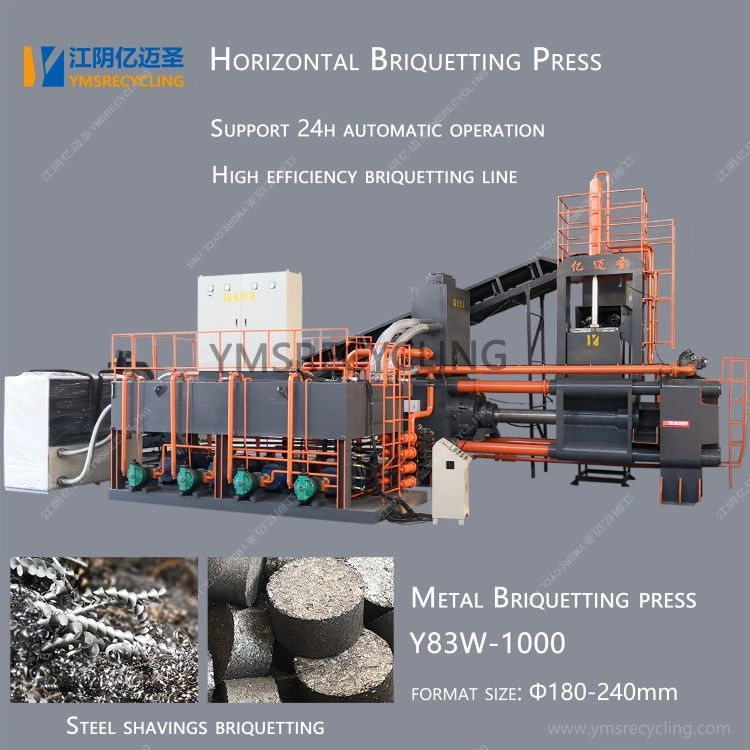
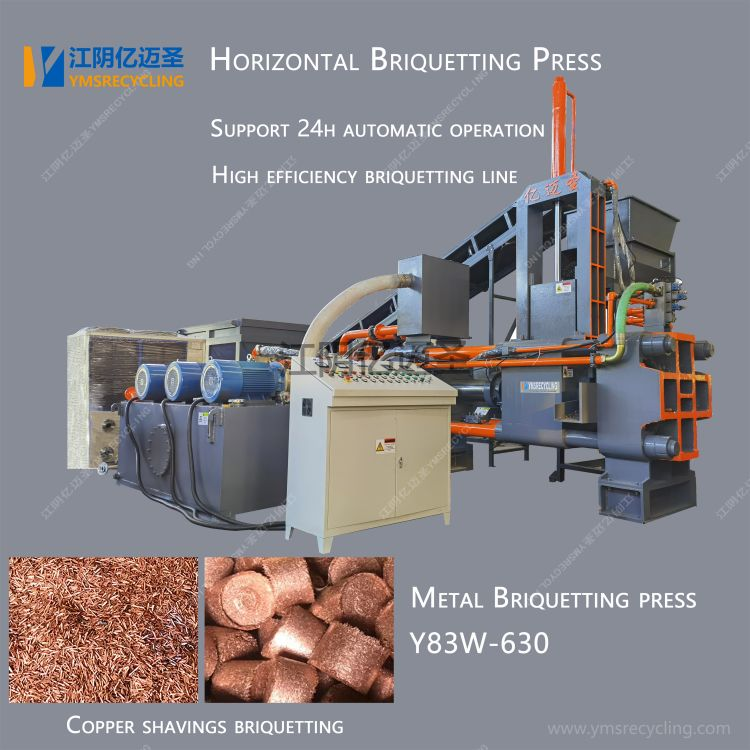
An aluminum shavings briquetting machine is an essential industrial solution that directly converts loose, bulky metal shavings into dense, solid briquettes. The primary purpose of this equipment is to maximize scrap value and minimize handling costs. By applying extreme hydraulic pressure, the machine squeezes out residual cutting fluids and compacts the metal into manageable blocks. This process drastically reduces the physical volume of the scrap, lowers transportation and storage expenses, and allows industries to sell the compressed metal at a much higher market rate compared to loose, oily swarf. For any machining or manufacturing facility dealing with aluminum waste, implementing this technology is a pragmatic step toward operational efficiency and sustainable resource recovery.
Content
The Challenges of Unprocessed Aluminum Shavings
Aluminum shavings, also known as swarf or chips, are an inevitable byproduct of milling, turning, and drilling operations. Leaving this material unprocessed creates several significant operational and economic hurdles for manufacturing facilities.
Storage Space Inefficiency
Loose aluminum shavings have an extremely low bulk density. They occupy a disproportionate amount of floor space in workshops and storage yards. This inefficient use of space can quickly lead to cluttered work environments, impeding workflow and requiring frequent, costly removal schedules to free up vital production areas.
High Transportation Costs
Because loose shavings are mostly air, transporting them is highly uneconomical. Trucks and containers reach their volumetric capacity long before they hit their weight limits. Facilities end up paying premium freight rates to transport air rather than valuable metal, severely cutting into profit margins.
Environmental and Safety Hazards
Aluminum shavings are typically saturated with cutting fluids, oils, and emulsions used during machining. Loose, wet chips pose significant environmental risks. The fluids can leak onto shop floors, creating slip hazards for personnel, and can contaminate soil and water systems if not properly contained. Furthermore, the moisture trapped in loose piles can accelerate oxidation and degradation of the metal quality.
Reduced Scrap Value
Recyclers and foundries pay significantly less for loose, oily shavings. The high contamination level means they must invest heavily in pre-treatment, drying, and degreasing before the metal can be melted. As a result, machining centers receive a fraction of the potential value for their aluminum waste when selling it in its raw, uncompacted state.
How the Briquetting Process Works
Understanding the mechanical and hydraulic principles behind an aluminum shavings briquetting machine reveals why it is so effective at transforming difficult waste into a premium commodity. The process is continuous, heavily automated, and requires minimal manual intervention once the material is fed into the hopper.
Material Feeding and Pre-compaction
The process begins when loose aluminum shavings are fed into the machine's hopper. Depending on the system's scale, this can be done manually, via conveyor belts, or through automated pneumatic extraction systems directly from the CNC machines. Inside the hopper, a screw feeder or agitator moves the material into the main compression chamber. Some advanced systems include a pre-compaction stage that begins to consolidate the shavings and squeeze out a portion of the free liquids before the main hydraulic action begins.
High-Pressure Hydraulic Compaction
Once the material is in the compression chamber, a powerful hydraulic ram drives forward. The machine exerts immense pressure—often reaching several hundred tons of force—onto the aluminum shavings. This extreme pressure forces the metal fragments to interlock and deform, eliminating the empty spaces between them. The pressure is sustained for a brief, calculated dwell time to ensure the structural integrity of the resulting block and to maximize the extraction of trapped fluids.
Fluid Separation and Briquette Ejection
During the compression cycle, the cutting fluids and oils are forced out of the metal matrix. The compression chamber is designed with strategically placed channels and filters that allow these liquids to escape while retaining the solid metal. The recovered fluids are channeled into a collection tank, where they can be filtered and recycled back into the machining process. Once the compression cycle is complete, the hydraulic ram retracts, an ejection mechanism pushes the newly formed aluminum briquette out of the chamber, and it drops onto a discharge conveyor, ready for storage or shipping.
Economic and Operational Advantages
Investing in an aluminum shavings briquetting machine yields substantial, measurable returns for industrial operations. The benefits span across financial, logistical, and environmental domains, making it a highly strategic capital expenditure.
Maximizing Revenue from Scrap Metal
Foundries prefer dense, dry briquettes over loose swarf because they melt more efficiently and introduce fewer impurities into the molten metal. Consequently, facilities that sell briquetted aluminum can command a significantly higher price per ton compared to those selling loose chips. The rapid return on investment is often driven by this immediate upgrade in scrap classification and market value.
Significant Volume Reduction
The mechanical compaction process reduces the volume of aluminum shavings drastically. This volumetric reduction is a game-changer for facility logistics. Storage bins hold significantly more material by weight, and transport vehicles can be loaded to their maximum legal weight limits, rather than maxing out on volume. This efficiency translates directly into lower freight costs per unit of metal shipped.
Coolant Recovery and Reuse
Modern machining operations use expensive cutting fluids and coolants. A major advantage of the briquetting process is its ability to squeeze out and recover a large percentage of these fluids from the swarf. The machine collects this displaced liquid, which can then be filtered and recycled. This closed-loop system reduces the need to purchase fresh coolant, lowering operational expenditures and minimizing hazardous waste disposal requirements.
Improved Workplace Safety and Cleanliness
By processing shavings immediately, facilities avoid the accumulation of loose, sharp, and oily metal chips. Briquettes are safe, easy to handle, and stack neatly on pallets. Removing loose swarf from the production floor eliminates slip-and-fall hazards and creates a cleaner, more organized working environment, which positively impacts employee morale and productivity.
Key Factors in Selecting a Briquetting System
Choosing the right aluminum shavings briquetting machine requires a thorough assessment of the facility's specific operational parameters. Not all machines are suited for every application, and several critical variables must be evaluated to ensure optimal performance and longevity.
Throughput Capacity and Scale
The volume of aluminum shavings generated daily is the primary determinant of the required machine size. Facilities must select a system whose throughput capacity aligns with their production output. Under-specifying the machine leads to bottlenecks, while over-specifying results in unnecessary capital expenditure and wasted energy. It is often advisable to select a system with slightly more capacity than currently needed to accommodate future business growth.
Material Characteristics and Contamination Levels
Aluminum shavings vary greatly depending on the machining process. Fine, wool-like dust behaves differently than short, rigid chips. Furthermore, the type of coolant or oil used—whether it is a light synthetic fluid or a heavy petroleum-based oil—affects how the material compresses and how easily the liquid is separated. The machine's hydraulic pressure, chamber design, and filtration system must be tailored to handle the specific texture and contamination level of the facility's swarf.
Automation and Integration Capabilities
For maximum efficiency, the briquetting machine should integrate seamlessly with the existing production line. Modern systems can be equipped with automated conveyors, elevators, and even smart sensors that detect when CNC machine hoppers are full and automatically activate the extraction and briquetting process. Higher levels of automation reduce labor costs and ensure continuous, unattended operation.
| Consideration Factor | Low Requirement | High Requirement |
|---|---|---|
| Daily Scrap Volume | Small, batch processing | Continuous, high-tonnage flow |
| Automation Level | Manual loading and operation | Fully integrated with CNC extraction |
| Fluid Type | Light synthetic coolants | Heavy, viscous cutting oils |
| Chip Morphology | Uniform, short chips | Mixed sizes including fine dust |
Best Practices for Optimal Operation and Maintenance
To ensure a long service life and consistent briquette quality, proper operation and routine maintenance of the aluminum shavings briquetting machine are imperative. Neglecting these systems can lead to decreased performance, mechanical failures, and compromised safety.
Pre-Compaction Material Preparation
While briquetting machines are robust, feeding them appropriately prepared material extends their lifespan. It is crucial to ensure that large, solid chunks of metal, tools, or other non-aluminum foreign objects do not enter the compression chamber. Installing magnetic separators and screening systems upstream can prevent these contaminants from causing severe damage to the hydraulic ram and the chamber walls.
Fluid Management System Upkeep
The efficiency of the briquetting process is closely tied to the machine's ability to separate fluids. The fluid channels and filters within the compression chamber must be cleaned regularly to prevent clogging. If fluids cannot escape, the briquettes will retain high moisture content, and the hydraulic system will have to work harder against incompressible liquids, which can lead to pressure spikes and mechanical stress.
Hydraulic System Monitoring
The hydraulic unit is the heart of the briquetting machine. Regular checks of the hydraulic oil level, temperature, and cleanliness are essential. Contaminated or degraded hydraulic oil can cause premature wear of pumps and valves, leading to a loss of compression force. Maintaining the oil within the manufacturer's specified parameters ensures that the machine consistently produces high-density briquettes.
Routine Wear Part Replacement
Components such as the compression chamber liners, the ram face, and the ejection cylinder are subject to extreme friction and pressure. These are wear parts by design and will degrade over time. Establishing a preventative maintenance schedule to inspect and replace these components before they fail completely prevents catastrophic breakdowns and avoids unplanned production downtime.
- Inspect hydraulic hoses and fittings for leaks daily to prevent pressure loss.
- Clean the coolant filtration system weekly to maintain high fluid recovery rates.
- Check the structural integrity of the compression chamber monthly for scoring or wear.
- Replace hydraulic filters according to the operational hour schedule.
Environmental Impact and Sustainability Contributions
Beyond immediate financial gains, the use of aluminum shavings briquetting machines plays a crucial role in modern industrial sustainability efforts. The aluminum industry is inherently energy-intensive, and optimizing the recycling loop is vital for reducing the global carbon footprint of manufacturing.
Energy Conservation in the Smelting Process
Recycling aluminum requires only a fraction of the energy needed to produce primary aluminum from bauxite ore. However, recycling loose, wet shavings is less efficient because the trapped moisture and oils can cause explosions, excessive smoke, and require additional energy to burn off contaminants. Briquettes, being dense and relatively dry, melt uniformly and efficiently in foundry furnaces. This efficiency translates directly into lower energy consumption per ton of recycled aluminum and a significant reduction in greenhouse gas emissions associated with the smelting process.
Hazardous Waste Reduction
By extracting cutting fluids from the shavings, briquetting machines prevent thousands of gallons of oil-based liquids from being sent to landfills or incinerators. The recovered coolant can be reused, and the solid briquettes are entirely recyclable. This comprehensive approach ensures that very little waste leaves the manufacturing facility, aligning operations with strict environmental regulations and zero-waste-to-landfill initiatives.
Promoting the Circular Economy
The concept of a circular economy relies on keeping materials in use for as long as possible and extracting their maximum value. An aluminum shavings briquetting machine is a perfect embodiment of this principle. It takes a byproduct that was once considered a costly waste liability and transforms it into a high-value secondary raw material. The aluminum in the briquettes can be melted down and reformed into new products indefinitely without losing its inherent material properties. This closed-loop recycling minimizes the need for virgin resource extraction, conserves natural resources, and supports sustainable manufacturing ecosystems.