 English
 русский
 Español

Factories specializing in scrap metal recycling machines are the core support of the global circular economy for metal resources. These professional manufacturing facilities design, produce, test and supply complete sets of equipment used to process, sort, crush, granulate, and reuse various waste metals. High-quality scrap metal recycling machines manufactured by professional factories can increase metal recycling efficiency by over 70% and reduce industrial waste discharge by more than half, which is irreplaceable for global resource conservation and environmental protection.
The core value of such factories lies in providing customized, stable, and efficient recycling solutions rather than single equipment sales. They integrate R&D, production, debugging, and after-sales support, forming a complete industrial service system to meet the recycling needs of steel, copper, aluminum, alloys, and other waste metals across different industries and regions.
With the global emphasis on carbon neutrality and resource recycling, the demand for professional scrap metal recycling machine factories continues to rise steadily. These factories have become key links connecting waste metal sources, recycling enterprises, and renewable resource industries, promoting the sustainable development of the entire metal industry chain.
Content
- 1 Classification and Main Equipment of Scrap Metal Recycling Machine Factories
- 2 Complete Production Process of Scrap Metal Recycling Machines
- 3 Quality Control System in Scrap Metal Recycle Machine Factories
- 4 Application Fields and Practical Value of Factory-Produced Recycling Machines
- 5 Customization Services Provided by Professional Factories
- 6 Operation and Maintenance Support from Factories
- 7 Development Trend of Scrap Metal Recycle Machine Factories
- 8 Selection Criteria for Reliable Scrap Metal Recycle Machine Factories
Classification and Main Equipment of Scrap Metal Recycling Machine Factories
Professional scrap metal recycling machine factories produce a complete range of equipment to adapt to different types and volumes of waste metal treatment. The equipment system covers the whole process from preliminary sorting to final molding, forming a complete recycling production line.
Preliminary Sorting and Feeding Equipment
This type of equipment is the first step of scrap metal recycling, mainly responsible for separating waste metals from impurities and classifying different metal materials. Factories design targeted sorting equipment according to the characteristics of waste metals, which can effectively improve the purity of recycled materials.
- Magnetic sorting machines for separating ferrous metals from non-ferrous metals
- Eddy current separators for sorting non-ferrous metals like copper and aluminum
- Automatic feeding and conveying systems to ensure a stable production rhythm
Crushing and Shredding Equipment
Crushing equipment is the core product of scrap metal recycling machine factories, which can reduce large-sized waste metals into small particles or blocks, convenient for subsequent processing and transportation. High-performance shredders manufactured by professional factories can handle 10-50 tons of waste metal per hour, greatly improving processing efficiency.
- Single-shaft shredders for small and medium-sized waste metal parts
- Double-shaft shredders for large scrap metal, such as vehicles and appliances
- Hammer crushers for fine processing of thin metal materials
Forming and Recycling Equipment
After crushing and sorting, waste metals need to be processed into standardized products through forming equipment, which can be directly used in smelting and reproduction. This equipment is the final link to realize the value of waste metals.
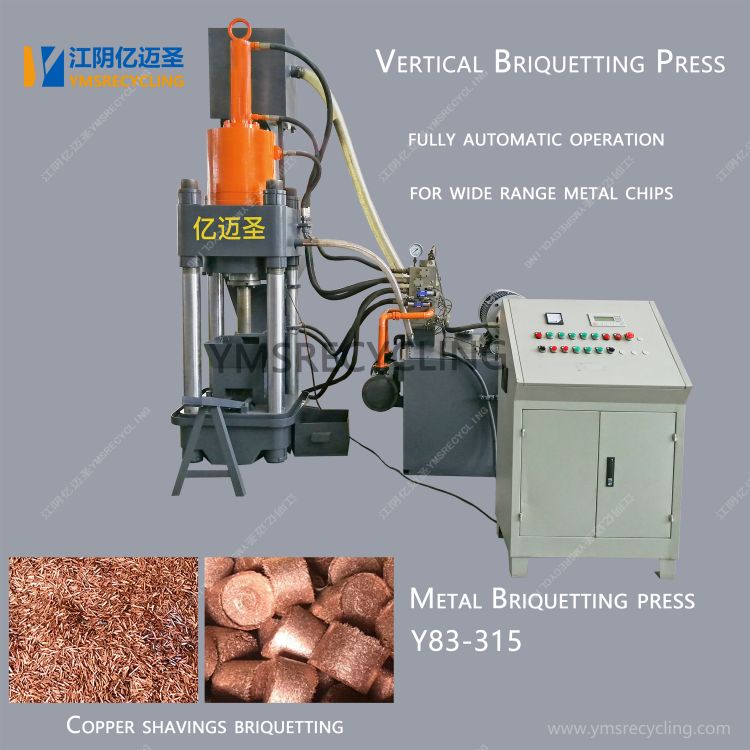
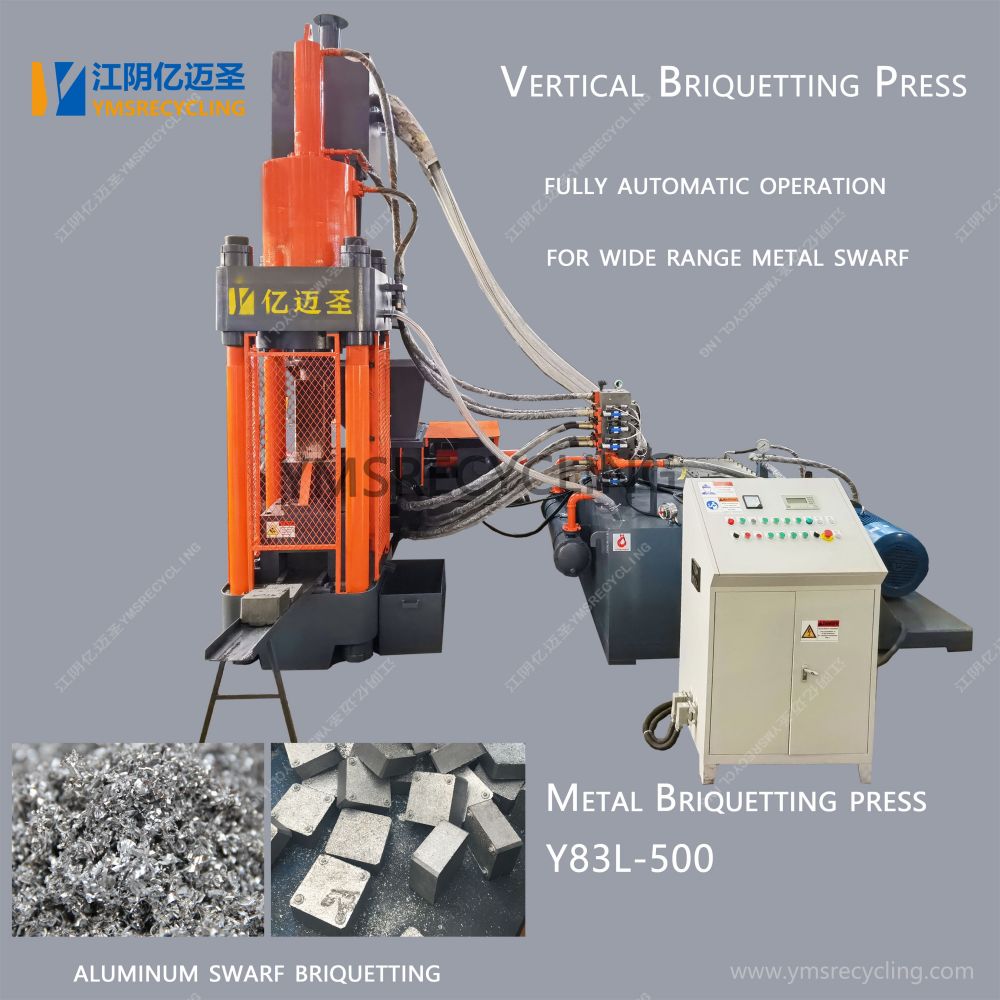
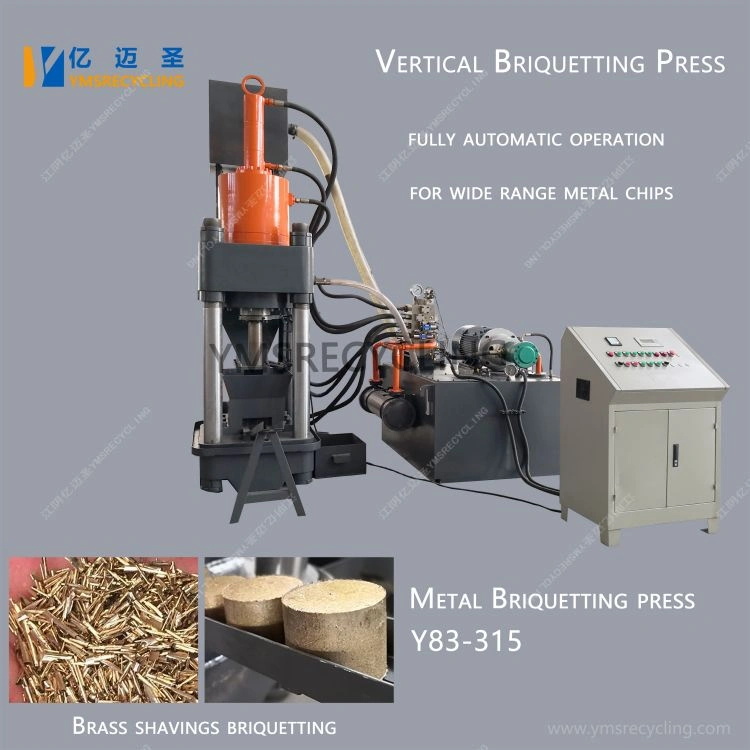
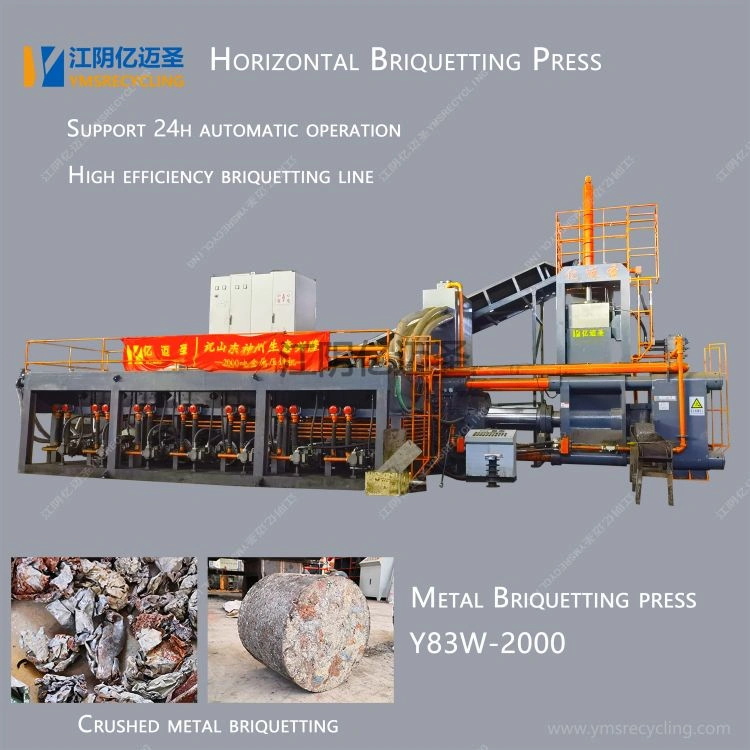
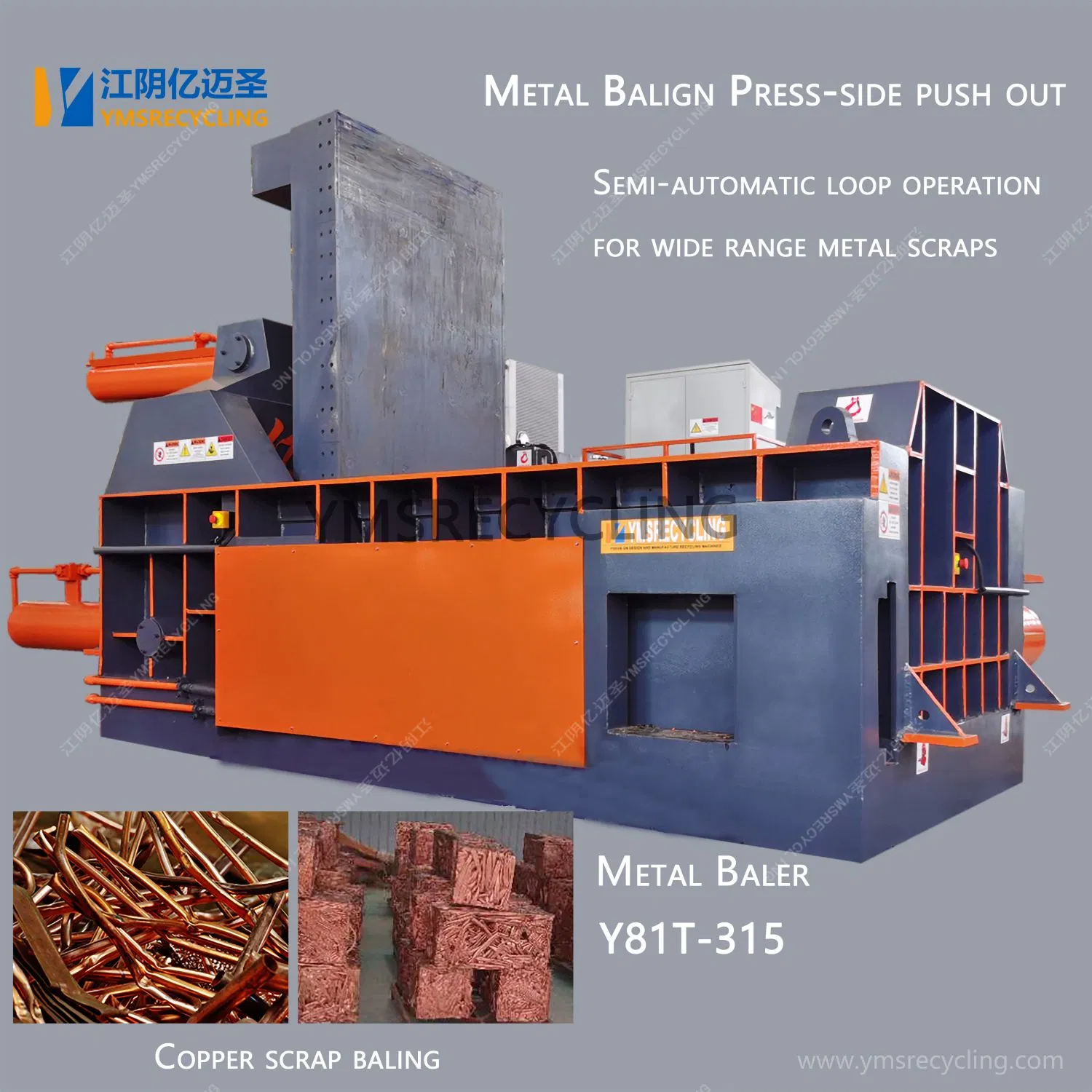
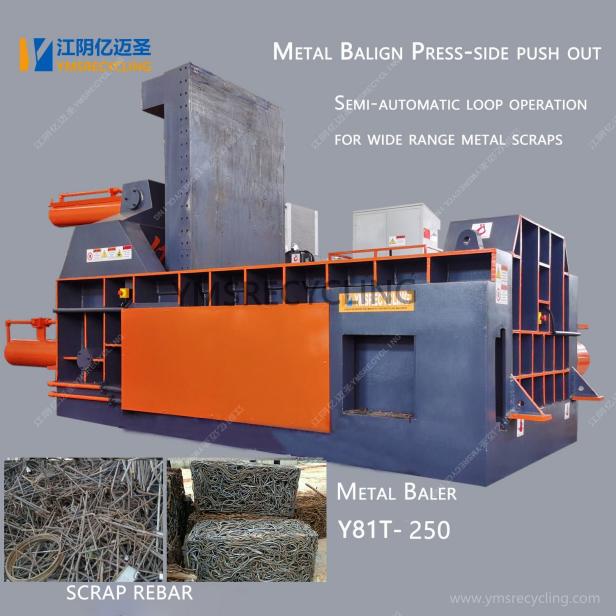
- Metal balers for compressing loose metal scraps into dense blocks
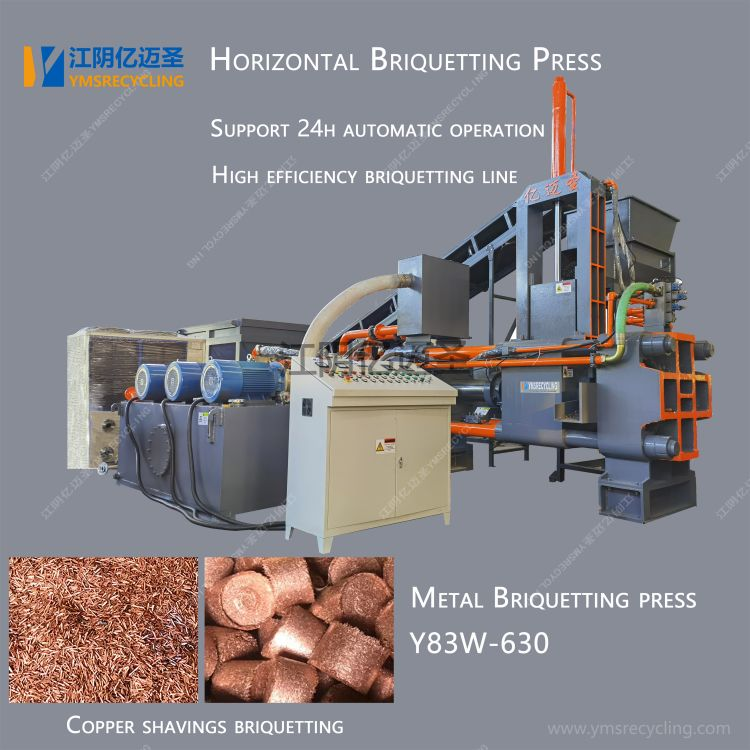
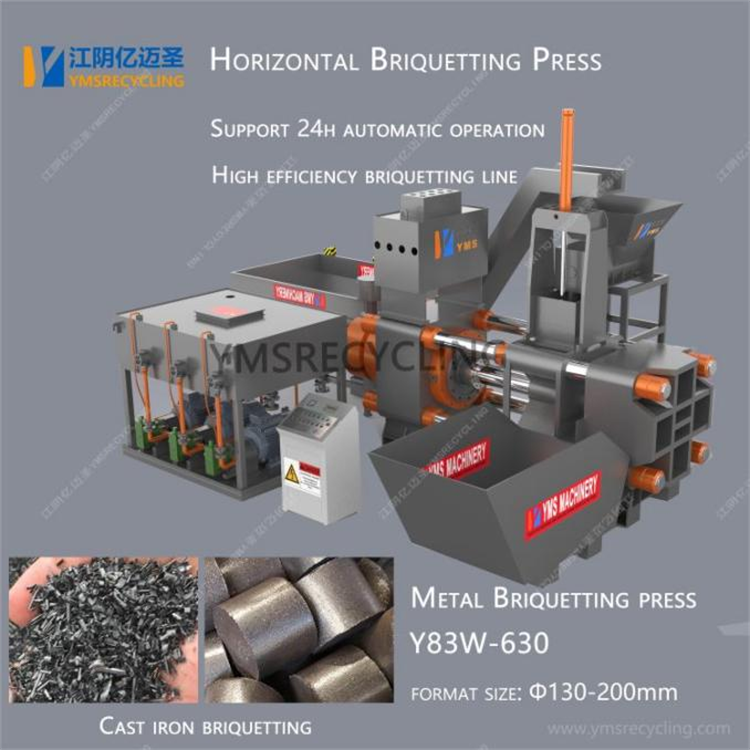
- Granulators for making waste metal into uniform particles
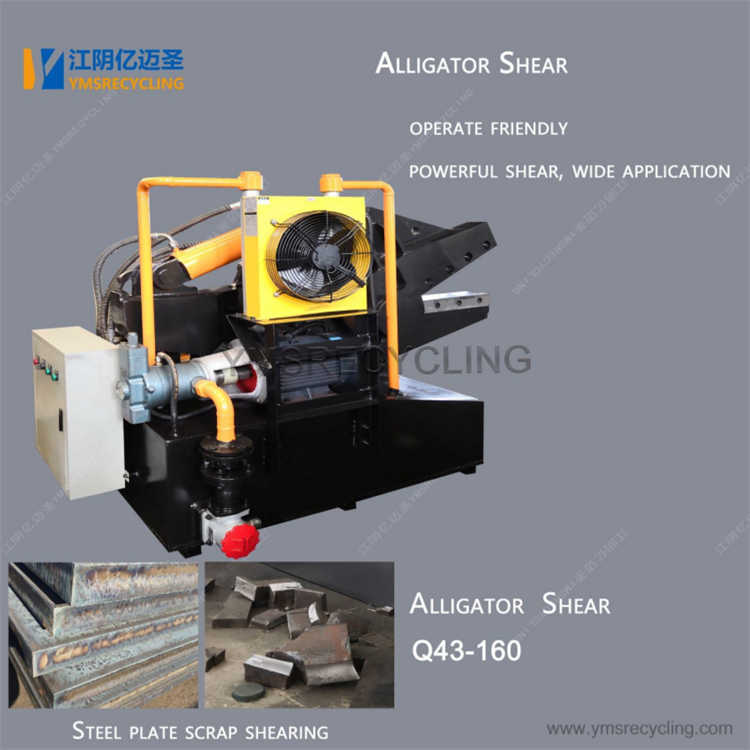
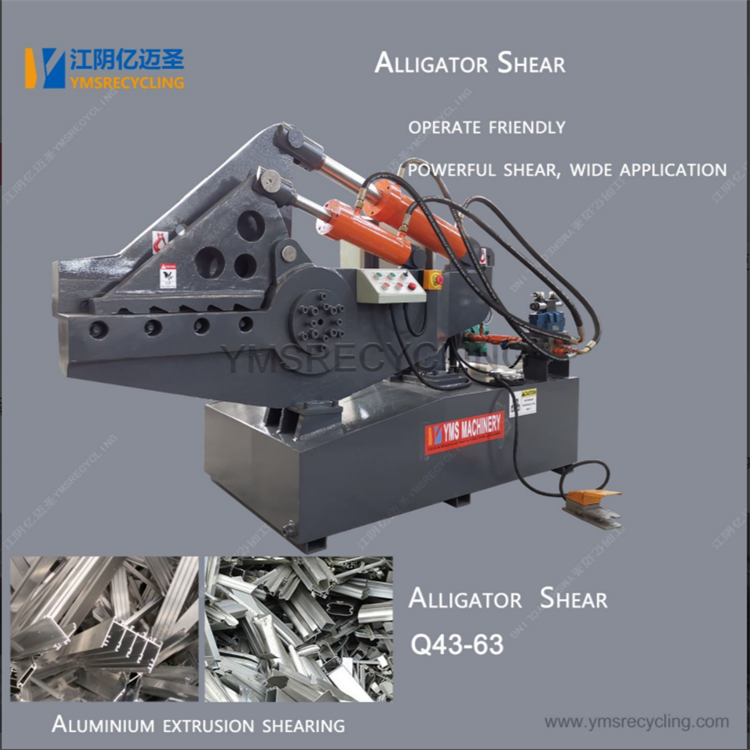
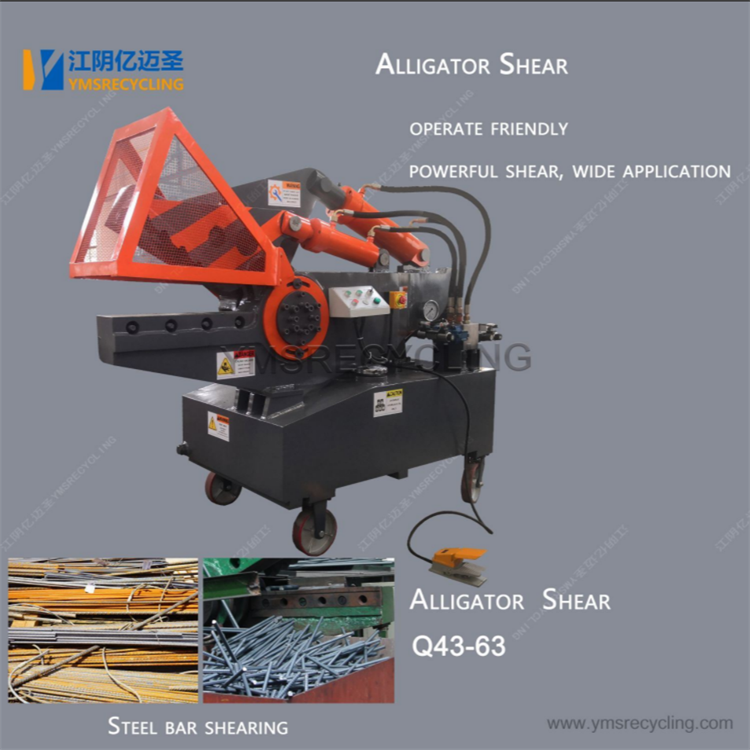
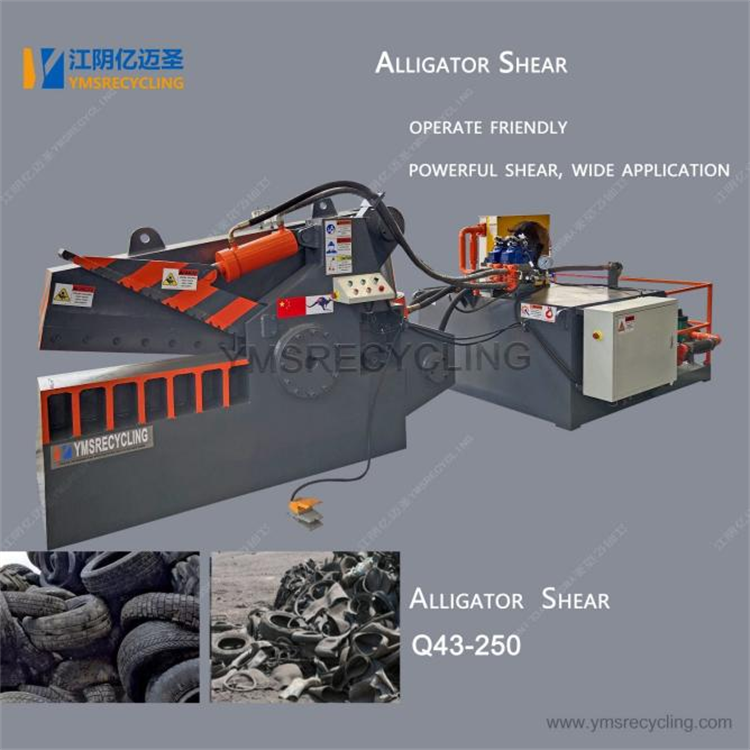
- Shearing machines for cutting large metal materials into specified sizes
Complete Production Process of Scrap Metal Recycling Machines
Formal scrap metal recycling machine factories implement standardized and refined production processes to ensure the performance, stability, and service life of each piece of equipment. The entire production process follows strict industrial standards and quality management systems.
Design and R&D Stage
The factory first conducts demand analysis and structural design according to market demand and customer application scenarios. Professional R&D teams use 3D modeling and simulation software to optimize the equipment structure, ensuring mechanical performance and operational safety. Factories with independent R&D capabilities can shorten the equipment design cycle by 40% compared with ordinary manufacturers, and better adapt to personalized customization needs.
Parts Processing and Manufacturing
After the design is finalized, the factory processes metal parts through precision machining equipment. Key components such as cutters, motors and hydraulic systems use high-strength wear-resistant materials to ensure the equipment can operate stably for a long time in harsh working environments. All parts undergo strict dimensional testing and performance inspection before entering the assembly line.
Assembly and Commissioning
Professional technicians assemble all parts in strict accordance with assembly process standards. After assembly, the equipment undergoes no-load test, load test and continuous operation test to check the operation stability, noise, temperature rise and processing efficiency. Only equipment that meets all technical parameters can enter the next stage.
Painting, Packaging and Delivery
Qualified equipment is treated with anti-corrosion and anti-rust painting to adapt to long-term use in different climatic conditions. Then the factory carries out safe packaging to avoid damage during transportation. Before delivery, complete technical documents, operation manuals and after-sales service guidelines are provided to ensure customers can use the equipment normally.
Quality Control System in Scrap Metal Recycle Machine Factories
Quality control is the core competitiveness of scrap metal recycle machine factories. Complete quality management systems run through the entire production process, ensuring that each equipment meets industrial use standards and customer expectations.
Raw Material and Component Inspection
Factories implement strict incoming inspection standards for all raw materials and purchased components. More than 95% of qualified factories conduct full inspection on key components such as motors and hydraulic pumps, and refuse to use unqualified materials. This step fundamentally guarantees the basic performance and service life of the equipment.
Production Process Monitoring
Each production link has special quality inspectors to track and record. From parts processing to assembly, each process has clear quality standards and acceptance indicators. Any unqualified product in the process will be immediately returned for rework, preventing substandard products from entering the next process.
Finished Machine Performance Testing
Before leaving the factory, each scrap metal recycle machine must undergo continuous operation tests for more than 8 hours. The factory tests key indicators such as processing capacity, energy consumption, noise and failure rate, and only products that reach the standard can be packaged and delivered. This strict testing ensures that customers receive stable and reliable equipment.
After-sales Quality Tracking
High-quality factories establish complete after-sales tracking systems to record equipment operation status and provide timely maintenance services. They regularly collect customer feedback to optimize product design and production processes, forming a closed-loop quality improvement system.
Application Fields and Practical Value of Factory-Produced Recycling Machines
Scrap metal recycling machines produced by professional factories are widely used in multiple industries, providing efficient solutions for waste metal treatment and creating huge economic and environmental value.
| Application Field | Main Processed Materials | Efficiency Improvement |
|---|---|---|
| Automotive Recycling | Scrap cars, parts | Over 75% |
| Household Appliance Recycling | Waste electrical appliances | Around 70% |
| Industrial Waste Treatment | Factory metal scraps | Over 80% |
| Construction Waste | Waste steel, pipes | Around 65% |
Environmental Protection Value
The use of scrap metal recycle machines can greatly reduce the exploitation of natural metal mineral resources. Recycling one ton of scrap steel can save about 1.5 tons of iron ore, and recycling non-ferrous metals can reduce more energy consumption and pollutant emissions. Factories continuously optimize equipment energy-saving performance, making the entire recycling process more environmentally friendly.
Economic Value
For recycling enterprises, efficient equipment reduces labor costs and material waste, and improves the recovery rate and purity of metals, directly increasing economic benefits. For the whole society, scrap metal recycling reduces the cost of metal production and promotes the stable development of the industrial chain.
Customization Services Provided by Professional Factories
A major advantage of formal scrap metal recycle machine factories is their ability to provide customized solutions according to the actual needs of customers, rather than selling standardized equipment mechanically. This personalized service makes the equipment more suitable for actual working conditions.
Site-Specific Solution Design
Factories send professional technicians to investigate the customer's site area, raw material types, daily processing capacity and other parameters, and design exclusive production lines. This customized design can maximize space utilization and processing efficiency, avoiding the problem of unsuitable standardized equipment.
Material-Adaptive Equipment Optimization
Different waste metals have different physical properties, so the equipment structure and parameters need to be adjusted accordingly. Factories optimize cutter types, motor power, hydraulic pressure and other parameters for materials such as steel, copper, aluminum and alloy, ensuring the best processing effect.
Capacity Customization
Whether it is small-scale recycling stations or large-scale industrial recycling bases, factories can provide equipment with matching processing capacity. Customized capacity can reduce energy waste by 20%-30% compared with mismatched standardized equipment, and lower the customer's operating cost.
Intelligent Control System Customization
Modern factories can add intelligent control systems to equipment, including automatic operation, fault alarm, data statistics and other functions. This intelligent customization reduces manual operation difficulty and improves the safety and management level of the production line.
Operation and Maintenance Support from Factories
High-quality scrap metal recycle machine factories provide comprehensive operation and maintenance support throughout the equipment life cycle, ensuring customers can use the equipment stably for a long time and reducing downtime caused by failures.
On-Site Installation and Commissioning
After the equipment arrives at the customer's site, the factory arranges professional engineers to carry out installation, wiring and commissioning. Engineers test all functions of the equipment to ensure it reaches the normal operation state before handing it over to the customer.
Operator Training
Factories provide systematic training for customer operators, including equipment operation methods, safety specifications, daily maintenance and basic fault handling. Standardized training can reduce operational errors and prolong the service life of the equipment.
Spare Parts Supply
Regular factories establish a complete spare parts supply system to provide customers with long-term access to wearing parts such as cutters and bearings. Quick spare parts supply shortens maintenance time and ensures continuous production.
After-Sales Maintenance Service
Factories provide regular maintenance services, including equipment inspection, lubrication, parts replacement and performance calibration. Professional maintenance can extend the service life of the equipment by more than 3 years and improve the return on investment for customers.
Development Trend of Scrap Metal Recycle Machine Factories
With the advancement of global environmental protection policies and the development of renewable resource industries, scrap metal recycle machine factories are moving towards intelligence, high efficiency, energy saving and integration, bringing new changes to the industry.
Intelligent and Automated Upgrading
Future factory-produced equipment will be equipped with more intelligent systems, such as AI automatic sorting, automatic adjustment of processing parameters, remote monitoring and fault diagnosis. Intelligent equipment can reduce manual participation by more than 50% and improve operation stability and processing accuracy.
High-Efficiency and Low-Consumption Technology Innovation
Factories are continuously developing new technologies and materials to improve equipment processing efficiency while reducing energy consumption. New type of cutters and transmission structures reduce energy loss, and higher processing capacity reduces the unit cost of waste metal treatment.
Integrated Complete Production Line
Factories will gradually shift from producing single equipment to providing integrated complete production lines. The integrated production line realizes the one-stop completion of sorting, crushing, granulation and forming, with higher automation and more convenient operation and management.
Green and Environmentally Friendly Design
New equipment will pay more attention to environmental protection indicators, such as noise reduction, dust removal and waste gas treatment systems. The green design meets stricter environmental protection standards and makes the recycling process more in line with sustainable development requirements.
Selection Criteria for Reliable Scrap Metal Recycle Machine Factories
For customers needing to purchase scrap metal recycle machines, choosing a reliable factory is crucial. The following selection criteria help identify professional and qualified manufacturers to ensure investment returns.
- Complete production qualifications and compliance with industrial standards
- Independent R&D and design capabilities to meet customized needs
- Strict quality control system and perfect testing procedures
- Rich industry experience and successful application cases
- Comprehensive after-sales service and spare parts supply system
- Reasonable product price and high cost performance ratio
Factories meeting these criteria can provide stable and reliable equipment and supporting services, helping customers achieve efficient and low-cost waste metal recycling. When selecting, customers should conduct comprehensive investigations instead of only focusing on price factors, so as to avoid losses caused by inferior equipment.
In summary, professional scrap metal recycle machine factories are the core driving force for the development of the metal recycling industry. They provide technical and equipment support for resource recycling, create economic benefits while protecting the ecological environment. With the continuous development of the circular economy, these factories will play an increasingly important role and promote the sustainable development of global metal resources.