 English
 русский
 Español

Content
The Role of Heavy Scrap Metal Shears
A heavy scrap metal shear machine is an industrial powerhouse designed specifically to cut, compress, and process bulky metal waste into manageable, standardized blocks. By utilizing immense hydraulic pressure and high-grade cutting blades, this equipment directly addresses the core challenges of metal recycling facilities. The primary value lies in its ability to significantly reduce the volume of scrap metal, which drastically lowers transportation and storage costs while preparing the material for efficient smelting and reuse in foundries.
Understanding the Core Applications
The operational scope of a heavy scrap metal shear machine extends across multiple industries that generate or process metal waste. Facilities rely on these machines to handle materials that are otherwise too thick, long, or irregularly shaped for standard balers or compactors. The robust design allows it to shear through solid steel beams, heavy industrial plate scrap, and dense auto bodies with precision.
Scrap Yard Processing
In large-scale scrap yards, incoming materials vary wildly in size and shape. The shear machine acts as the primary size-reduction tool, transforming truckloads of mixed scrap into uniform lengths that can be easily loaded into furnace charging buckets.
Automotive and Demolition Recycling
End-of-life vehicles and demolished building structures provide massive amounts of structural steel. The shear machine efficiently dismantles these structures, separating valuable ferrous metals from non-ferrous contaminants and preparing the steel for immediate resale or reprocessing.
Types of Heavy Scrap Metal Shear Machines
Selecting the appropriate machinery depends on the volume of material, the available floor space, and the specific type of scrap being processed. Below is a comparison of the most common configurations available in the industry.
| Machine Type | Primary Application | Key Advantage |
|---|---|---|
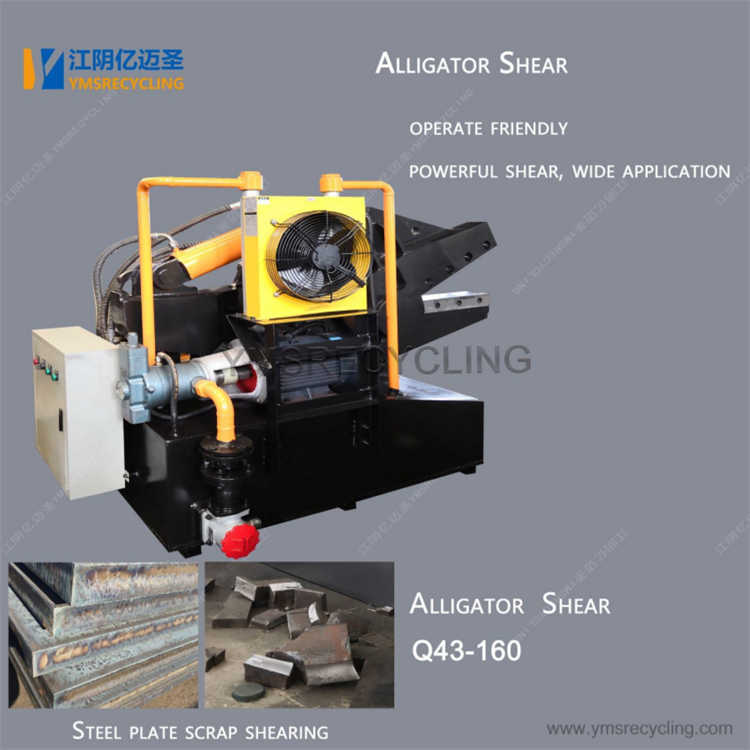
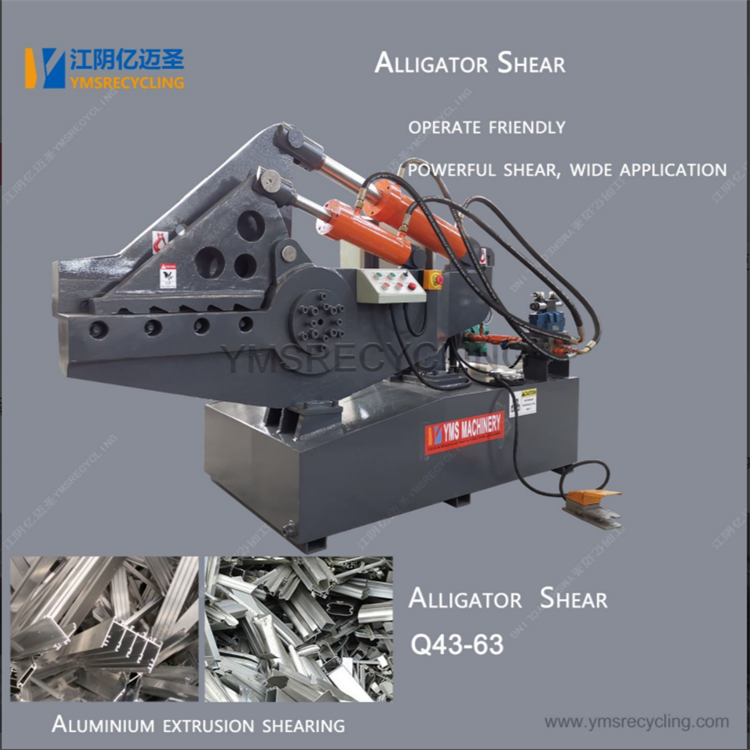
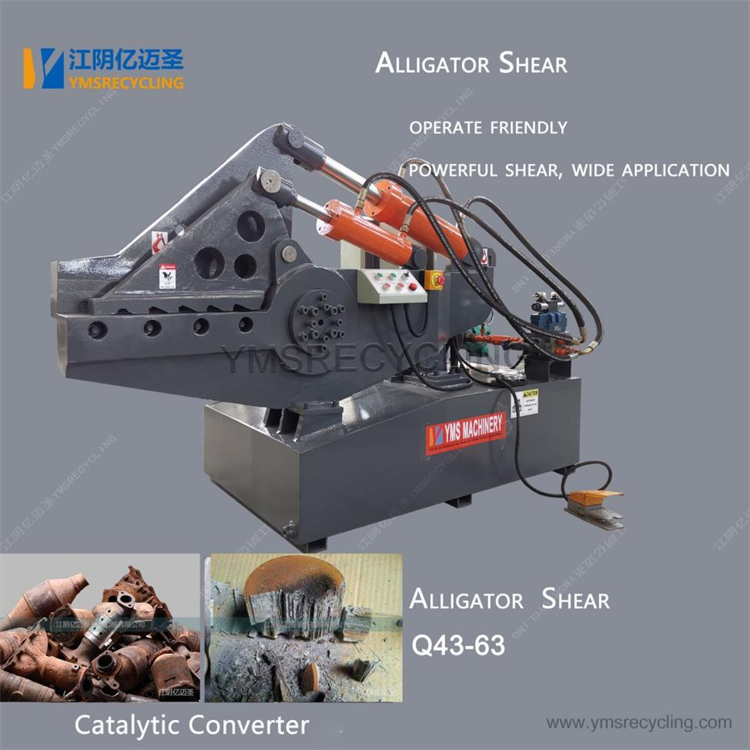
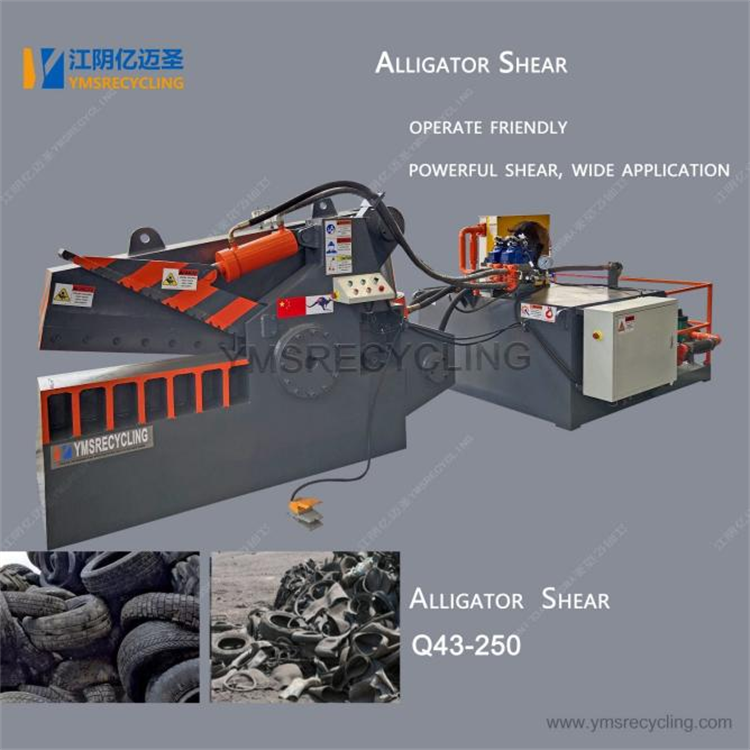
| Alligator Shear | Cutting small to medium pipes and bars | High mobility and lower capital cost |
| Gantry Shear | Continuous processing of heavy structural steel | Automated feeding and high throughput |
| Stationary Hydraulic Shear | Heavy-duty compression and shearing | Handles mixed, bulky scrap with ease |
Gantry shears are particularly favored in high-volume recycling centers due to their conveyor-fed design, which allows for continuous operation without the need to halt the machine for manual loading.
Key Factors to Consider Before Acquisition
Investing in a heavy scrap metal shear machine requires careful evaluation of operational needs. A mismatched machine can lead to bottlenecks and unnecessary wear. Facility managers must assess several critical parameters to ensure long-term profitability.
- Cutting Force and Capacity: The machine must possess enough shearing force to cut through the thickest material expected at the facility. Underpowered machines will struggle and suffer premature blade degradation.
- Blade Material and Design: High-grade alloy steel blades are essential. The ability to rotate or flip the blades extends their lifespan significantly before requiring complete replacement.
- Automation and Control Systems: Modern machines feature programmable logic controllers that optimize the cutting cycle, reducing operator fatigue and minimizing material waste.
Operational Best Practices and Maintenance
To maximize the return on investment, strict maintenance protocols must be established. A heavy scrap metal shear machine operates under extreme stress, and neglecting routine care can lead to catastrophic hydraulic failures and extended downtime.
- Hydraulic Fluid Management: The hydraulic system is the heart of the machine. Fluid levels must be checked daily, and the oil should be filtered and replaced periodically to prevent contamination from metal dust.
- Blade Inspection and Sharpening: Dull blades increase the load on the hydraulic pumps and produce jagged cuts. Inspect the cutting edges regularly and grind them according to manufacturer specifications.
- Lubrication of Moving Parts: The hinge points and sliding tracks require consistent lubrication to prevent metal-on-metal friction, which can cause excessive wear and misalignment over time.
Safety is equally paramount. Operators must be trained to recognize the signs of hydraulic pressure loss and ensure all safety guards and emergency stop mechanisms are fully functional before initiating a cutting cycle.
Future Trends in Metal Recycling Technology
The evolution of the heavy scrap metal shear machine is heavily influenced by the push for sustainability and energy efficiency. Manufacturers are increasingly integrating smart sensors that monitor blade wear and hydraulic pressure in real-time, sending predictive maintenance alerts before a failure occurs.
Furthermore, the integration of artificial intelligence is beginning to optimize the sorting process before the metal even reaches the shear. Automated optical sorters can separate non-ferrous materials, ensuring that the shear machine only processes the materials it is designed to handle, thereby extending equipment life and improving the purity of the final recycled product.