 English
 русский
 Español

Content
The Role of Scrap Metal Processing Equipment in Modern Recycling
The definitive role of scrap metal processing equipment is to transform raw, heterogeneous scrap into clean, high-density, and uniform furnace-ready materials. This transformation is the critical bridge between collection and smelting, determining the economic viability of the entire recycling chain. By compressing, shearing, and shredding loose scrap, facilities can significantly reduce transportation costs and maximize the value per ton of material sold to steel mills and foundries. Efficient processing equipment directly correlates to higher profit margins and lower environmental impact.
Essential Machinery for Size Reduction and Shaping
Processing begins with reducing the physical size of the scrap to make it manageable for downstream separation and melting. Different types of scrap require different mechanical approaches to achieve optimal density and purity.
Industrial Shredders
Shredders are the workhorses of large-scale recycling operations. They use high-torque hammer mills to tear apart end-of-life vehicles, white goods, and bulky structural steel. The primary goal is to liberate different materials and reduce volume.
Shredders allow for the recovery of valuable non-ferrous metals that are often embedded in larger items. For instance, an aluminum engine block inside a car frame can be separated effectively only after the car has been shredded into fist-sized fragments. The downside is the high energy consumption and maintenance cost associated with wear parts like hammers and grates.
Hydraulic Shears and Balers
While shredders excel at liberating mixed materials, shears and balers are often used for processing cleaner, heavier scrap such as I-beams, plates, and industrial turnings.
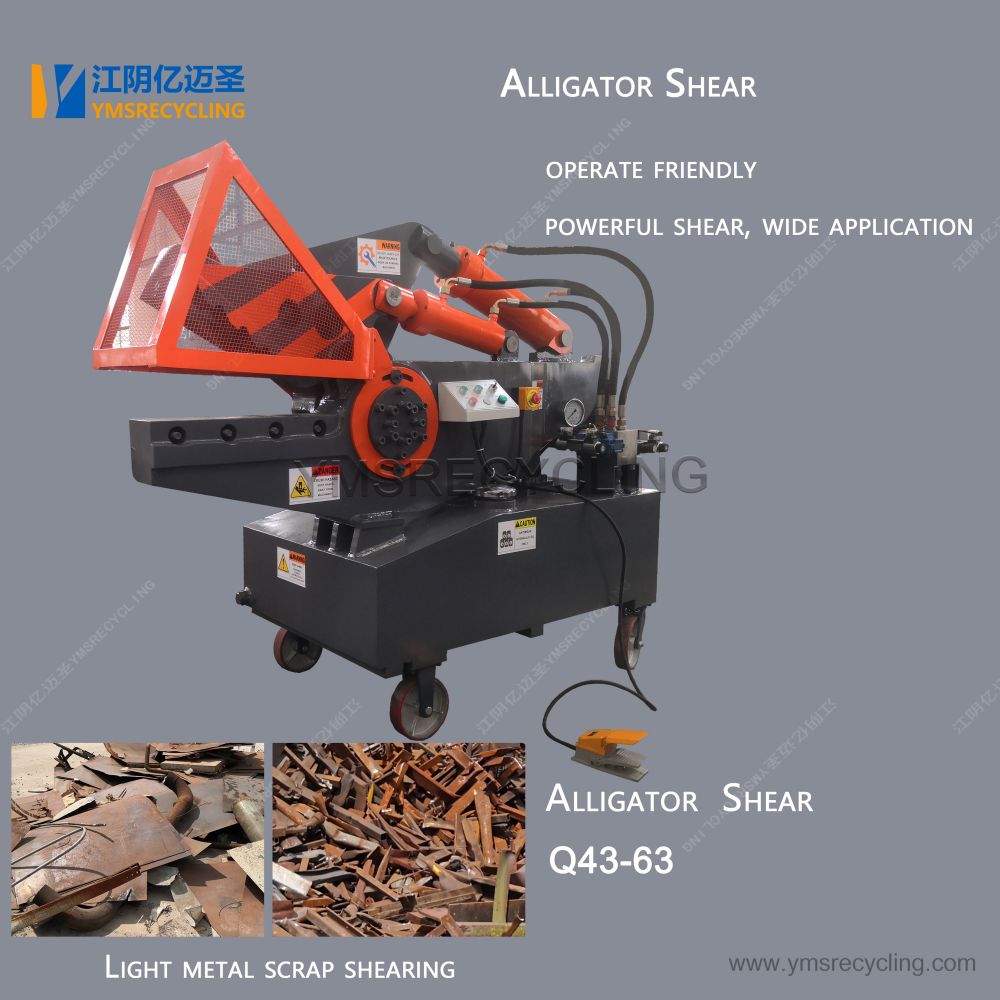
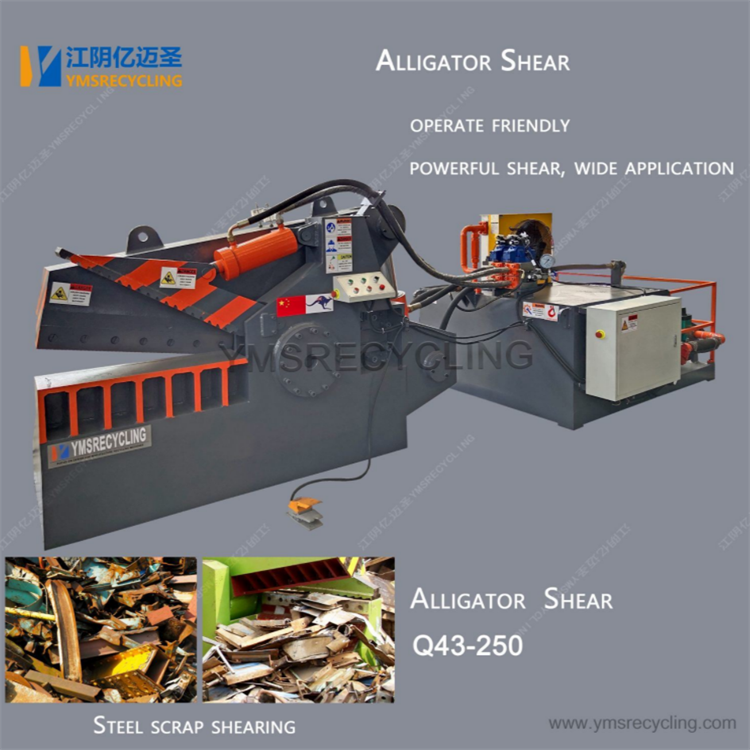
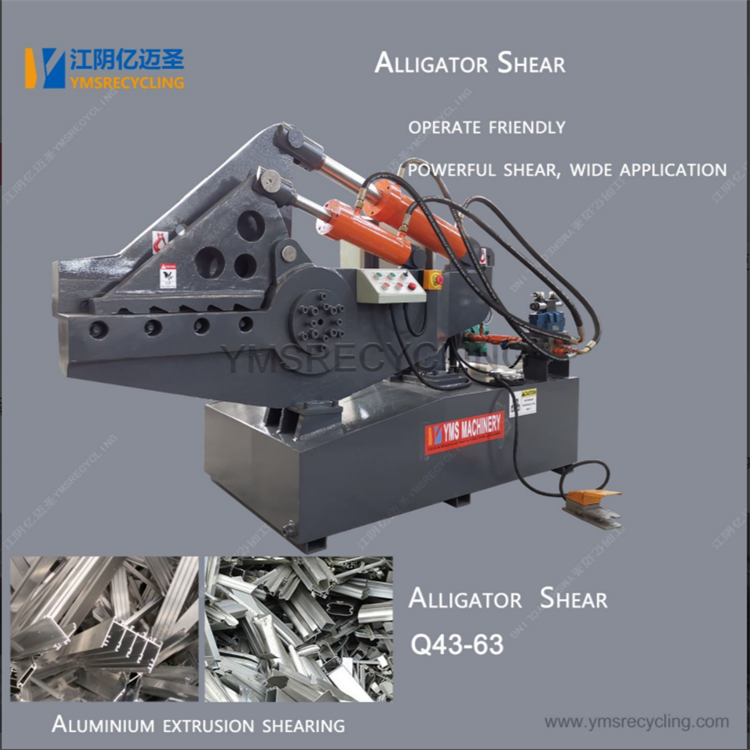
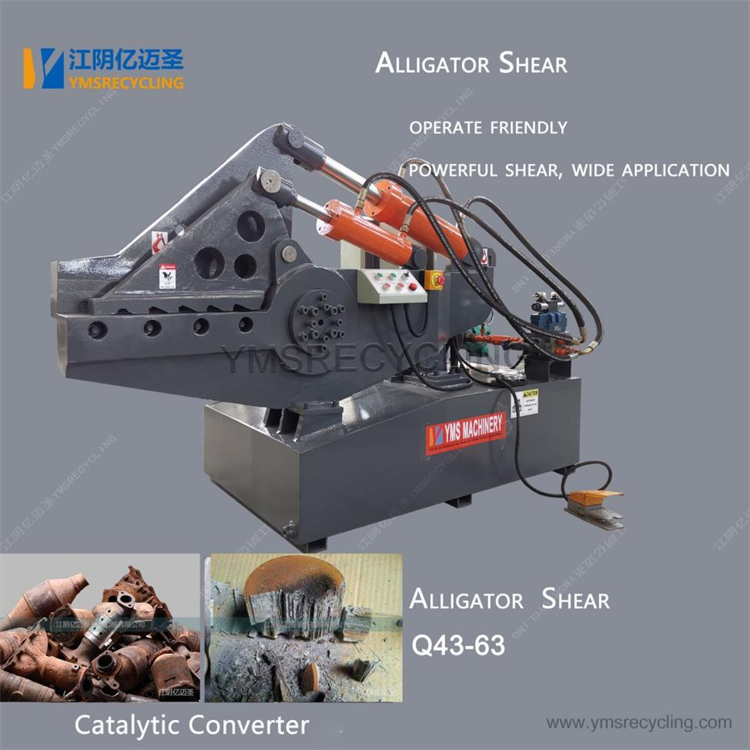
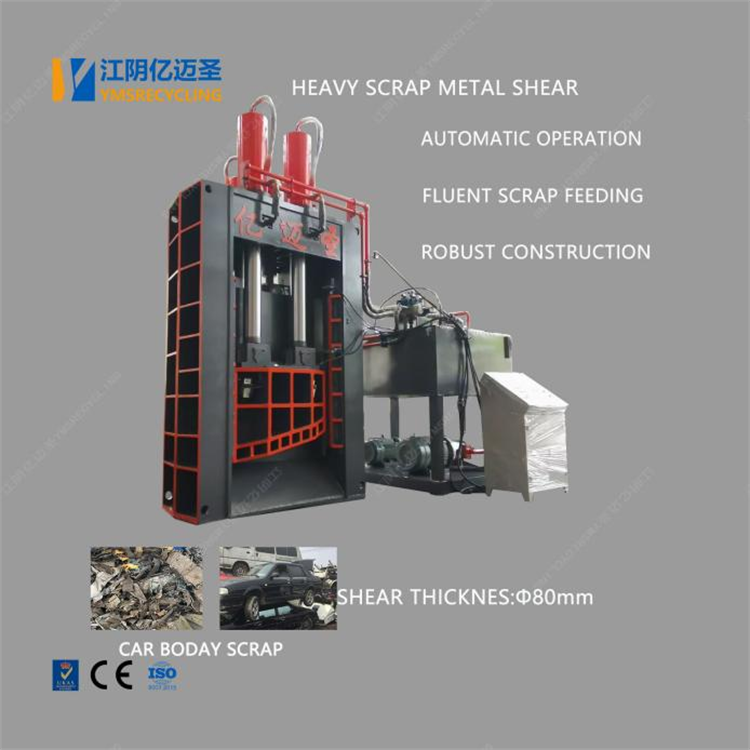
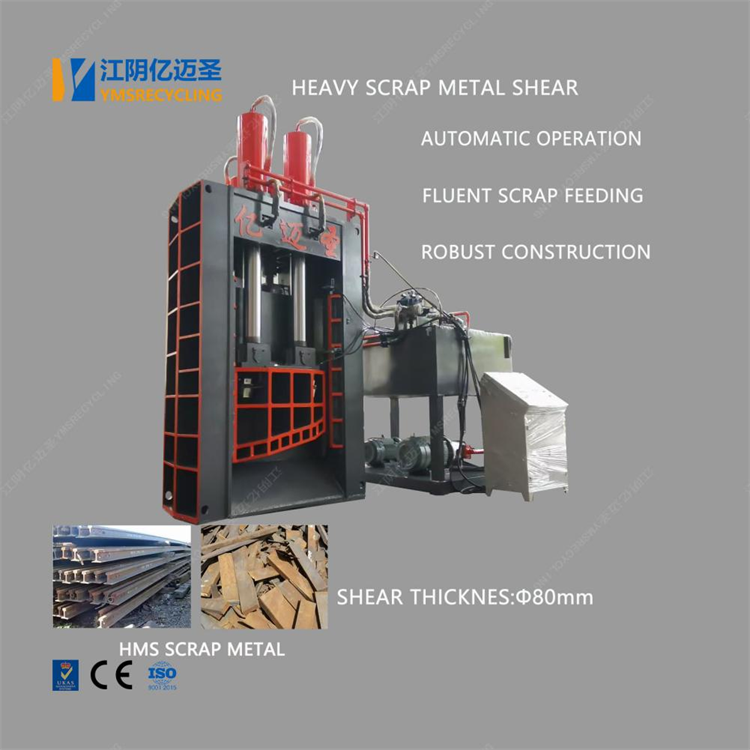
- Hydraulic Shears: These machines act like giant guillotines, slicing through thick metal using immense hydraulic pressure. They are ideal for cutting oversized scrap down to a size that fits into furnaces or shipping containers.
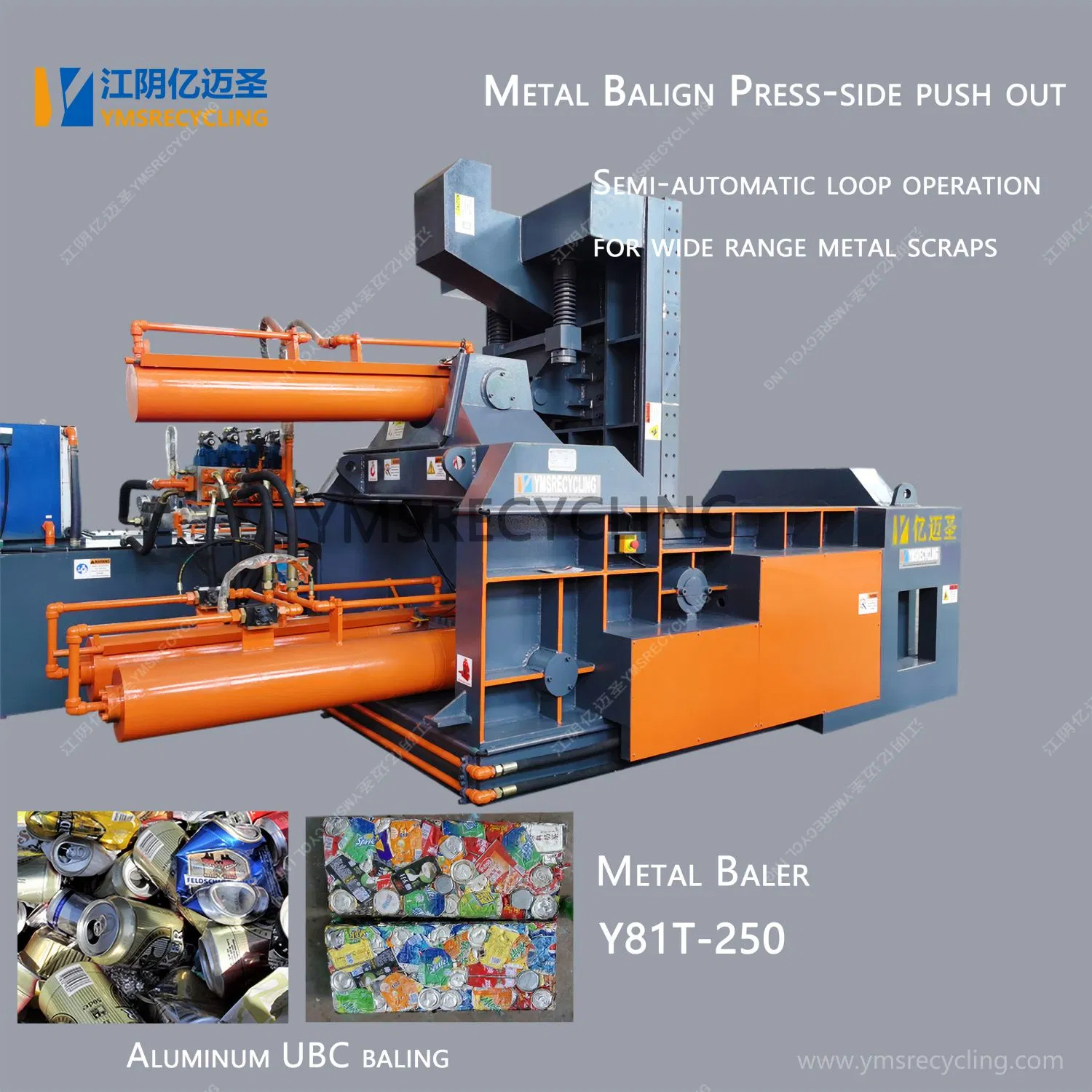
- Balers: These are used primarily for lighter gauge scrap like sheet metal, car bodies, and aluminum cans. They compress the material into dense, rectangular blocks that are easy to stack and transport. Balers significantly increase the density of loose scrap, sometimes by a factor of five or more.
| Equipment Type | Best For | Output Result |
|---|---|---|
| Shredder | Mixed scrap, cars, appliances | Fist-sized fragments |
| Hydraulic Shear | Heavy structural steel, beams | Cut lengths (processable size) |
| Baler | Light gauge, sheet metal, cans | Dense rectangular logs |
Advanced Separation and Sorting Technology
Once the scrap has been size-reduced, the focus shifts to purity. The value of scrap metal is dictated by its composition; even small amounts of impurity can drastically lower the price or render a batch unusable for certain metallurgical processes. Modern processing lines rely on automated separation systems to ensure high-quality output.
Magnetic Separation
The simplest and most common form of separation involves using powerful magnets to separate ferrous metals (iron and steel) from non-ferrous metals (aluminum, copper, zinc). Overhead magnetic belts are suspended above conveyor belts carrying shredded material. As the scrap moves underneath, the ferrous metals are lifted off the main belt and dropped into a separate collection bin.
Eddy Current Separators
To separate non-ferrous metals from non-metallic waste like plastics and rubber, facilities use eddy current separators. These units use a high-speed magnetic rotor that induces eddy currents in conductive non-ferrous metals. This reaction repels the metal particles forward, away from the non-metallic stream. This technology is crucial for recovering aluminum and copper wire from "fluff" (the non-metallic residue left after shredding cars).
Sensor-Based Sorting
State-of-the-art facilities employ optical and X-ray sensors to identify and sort different metal types based on their atomic density or color signature. These systems can distinguish between different grades of aluminum or separate heavy metals like copper from lighter alloys with precision that manual sorting cannot match.
Operational Workflow and Layout Design
Maximizing throughput requires a well-thought-out facility layout. The arrangement of equipment dictates the flow of material, minimizes bottlenecks, and ensures safety.
Typically, the workflow begins at the receiving yard, where scrap is weighed and inspected. It is then moved to the pre-processing area, where large items are dismantled or cut down. From there, material enters the primary processing line—shredding or shearing. Following size reduction, the material travels on a conveyor system through various separation stages (magnets, air classifiers, eddy currents). Finally, the sorted metals are stacked in storage bays awaiting shipment.
Effective facility design minimizes the distance materials travel between stages. A streamlined layout reduces fuel consumption by heavy machinery and increases the total tons processed per hour. Furthermore, the inclusion of covered storage areas prevents oxidation of processed metals, preserving their quality and price.
Maintenance and Safety Standards
Scrap metal processing is an inherently heavy-duty industry involving extreme forces, sharp edges, and massive weights. Maintenance and safety are not optional add-ons; they are integral to the operation of the equipment.
Routine Maintenance Protocols
Preventative maintenance is the only way to avoid costly downtime. Critical components such as hydraulic hoses, shear blades, and shredder hammers must be inspected regularly. Lubrication schedules must be strictly adhered to, and wear parts should be replaced before they fail catastrophically.
A predictive maintenance approach, using vibration analysis and temperature monitoring on gearboxes and motors, can help identify potential failures weeks before they occur. This proactive strategy ensures the equipment runs at peak efficiency and extends the overall lifespan of the machinery.
Safety Measures
Worker safety is paramount. Processing equipment is equipped with numerous safety interlocks and emergency stop mechanisms. However, the most critical safety component is a rigorous training program. Operators must understand the dangers of stored energy in hydraulic systems and the potential for projectiles in shredders.
- Lockout/Tagout (LOTO) procedures must be strictly enforced during maintenance to ensure machines cannot be accidentally started.
- Remote control stations allow operators to manipulate heavy machinery from a safe distance, away from falling debris.
- Personal Protective Equipment (PPE), including high-visibility clothing, steel-toed boots, and impact-resistant eyewear, is mandatory at all times on the processing floor.
Economic and Environmental Impact
The deployment of advanced scrap metal processing equipment has profound implications beyond the immediate operations of a recycling yard.
Resource Conservation
Processing scrap metal allows for the recovery of valuable resources without the need for virgin mining. Mining metal ores is energy-intensive and environmentally disruptive, often resulting in significant habitat destruction and water pollution. Recycling aluminum, for example, requires up to 95% less energy than producing it from raw bauxite ore. By making scrap processing more efficient, equipment manufacturers play a vital role in global conservation efforts.
Economic Efficiency
For the recycling business, efficient equipment translates directly to profitability. Higher purity levels mean the scrap can be sold at a premium to mills. Higher density means more material can be shipped in a single truckload or container, reducing logistics costs per ton. In a commodity market where margins can be tight, the efficiency gained through superior processing technology often determines the success or failure of the enterprise.