 English
 русский
 Español

Scrap metal recycling equipment forms the backbone of modern waste management infrastructure by converting discarded metal waste into high-value raw materials. Deploying the correct combination of machinery is essential, as it reduces primary resource extraction needs by a significant margin and substantially lowers carbon emissions. By utilizing automated processes such as shredding, sorting, and baling, industrial facilities can process massive volumes of metal waste efficiently. This ensures that valuable ferrous and non-ferrous metals are recovered, purified, and prepared for remanufacturing, ultimately closing the loop in the industrial supply chain and driving a sustainable circular economy.
Content
The Core Components of Scrap Metal Recycling Equipment
A fully integrated scrap metal recycling facility relies on several major categories of machinery. Each piece of equipment serves a specific purpose in the transition from bulky, mixed waste to pure, reusable commodities. Understanding these core components is the first step in establishing an efficient processing line.
Shredders and Granulators
Shredders act as the primary size reduction mechanism in any recycling plant. They take large, unmanageable metal objects such as end-of-life vehicles, household appliances, and industrial scrap, and tear them into smaller, uniform pieces. This process utilizes massive rotating hammers or cutting discs that apply immense torque. Granulators then take over to further reduce the material size, ensuring that entangled materials are separated and prepared for downstream sorting operations.
Sorting and Separation Systems
Once the metal is reduced to a manageable size, it must be sorted. Separation systems are designed to distinguish between ferrous metals (like iron and steel), non-ferrous metals (like aluminum and copper), and non-metallic impurities (like plastic and rubber). Effective sorting dictates the purity and subsequent market value of the final recycled product.
Baling and Compacting Presses
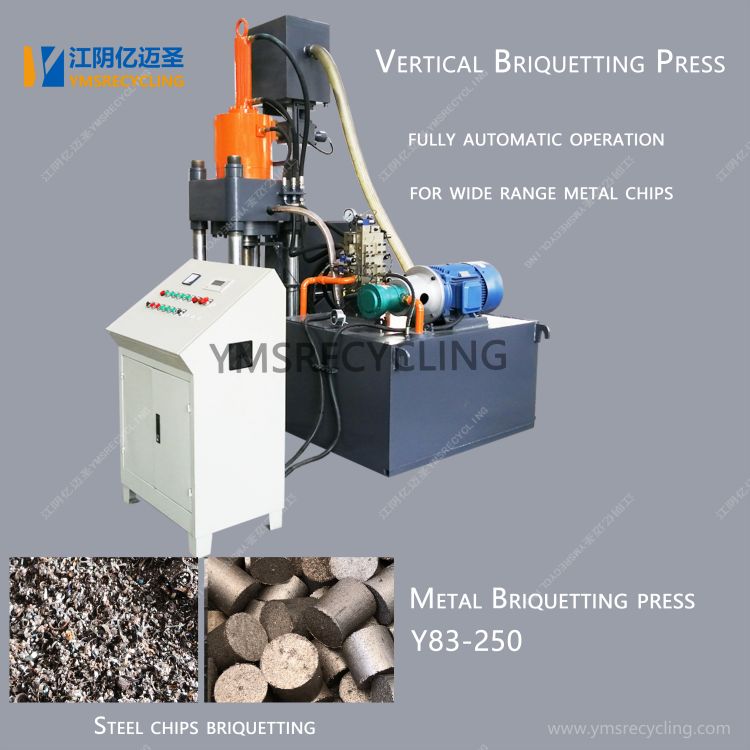
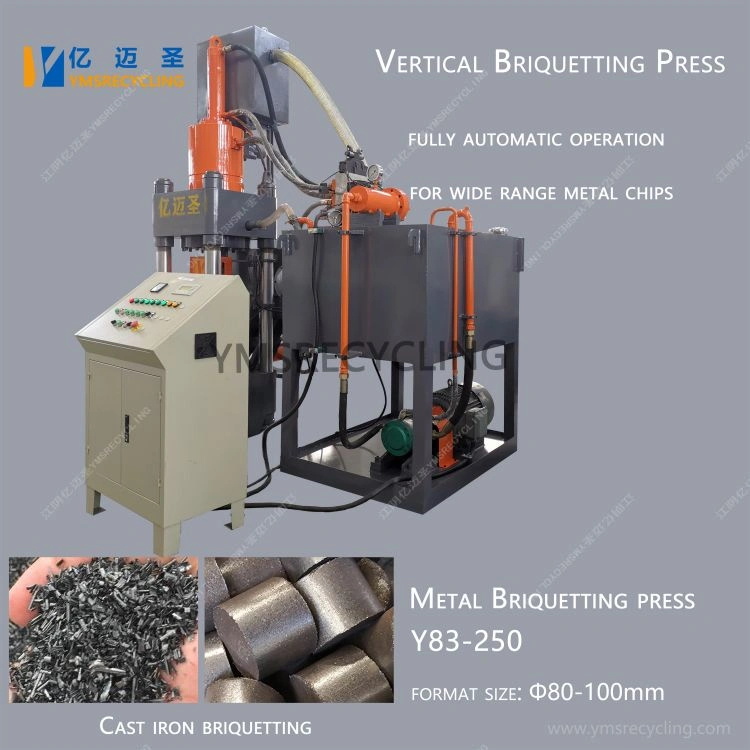
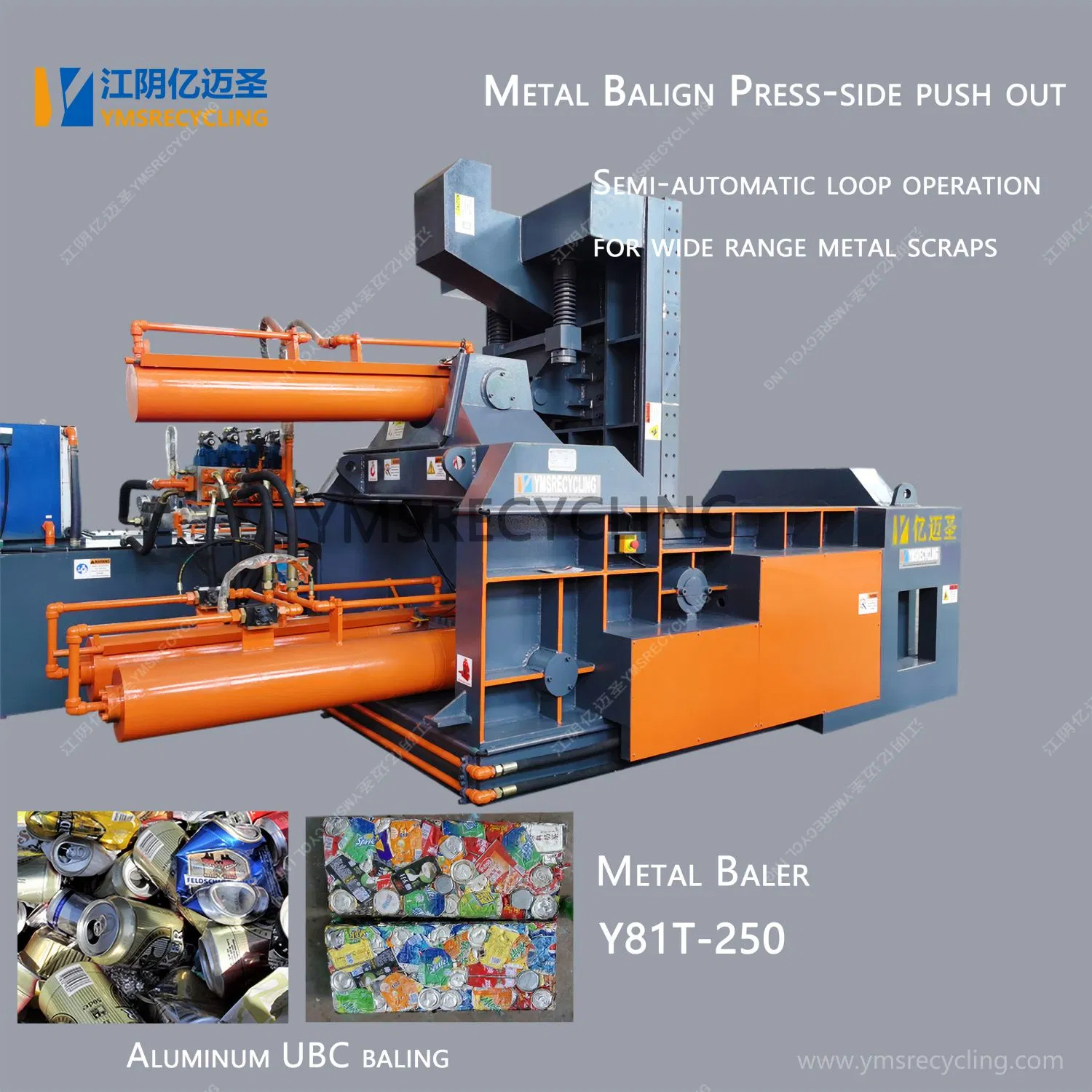
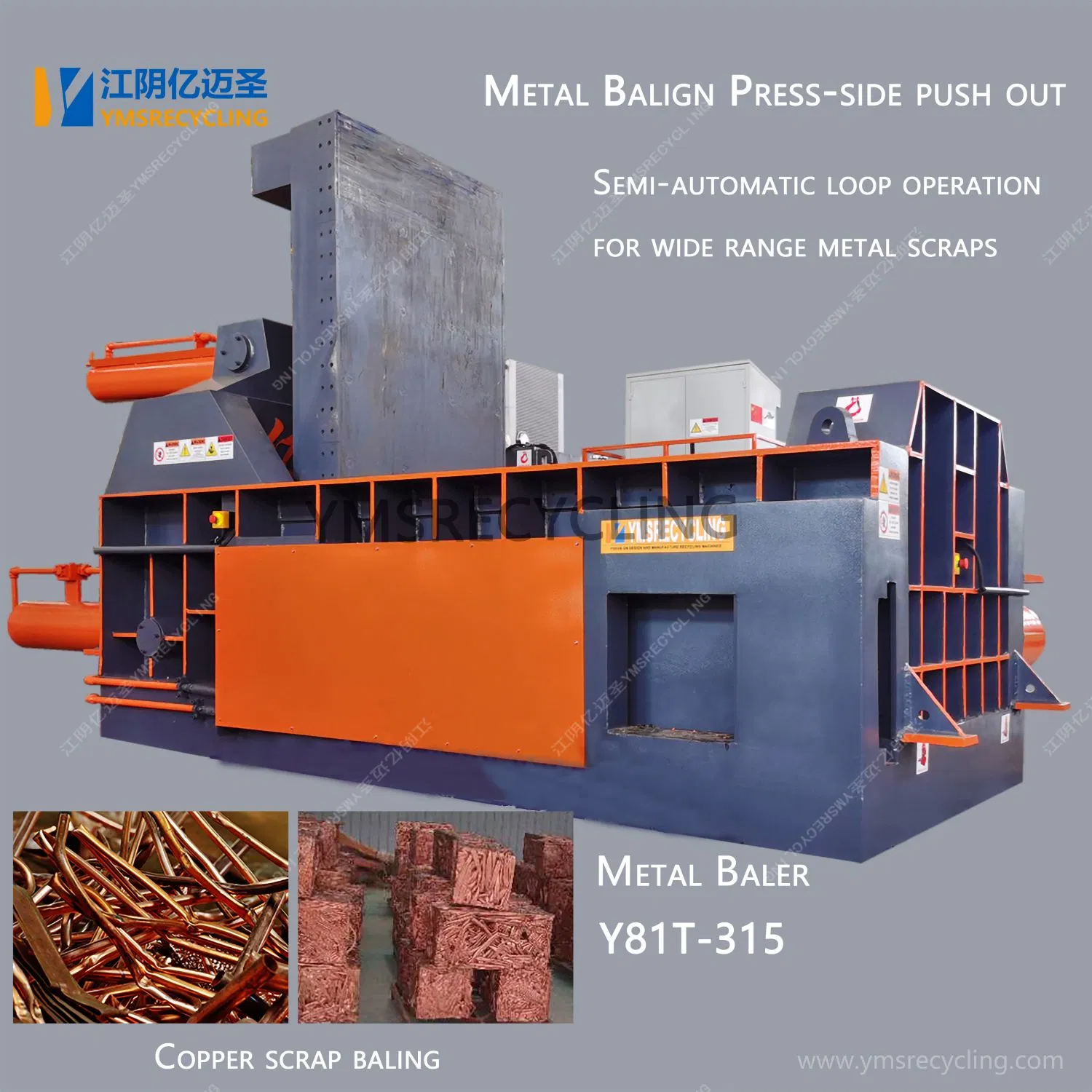
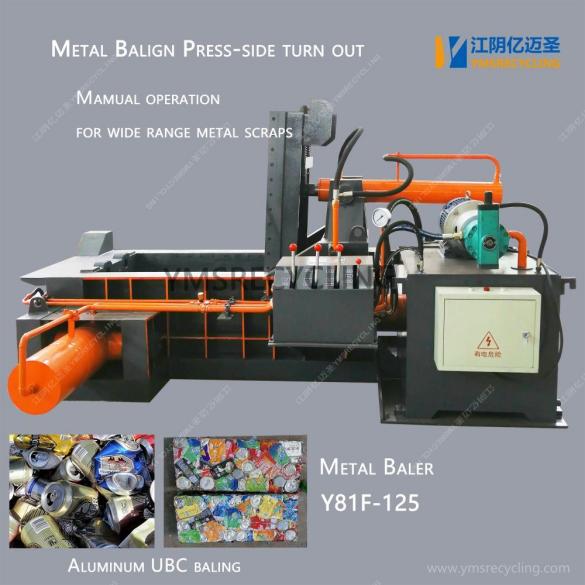
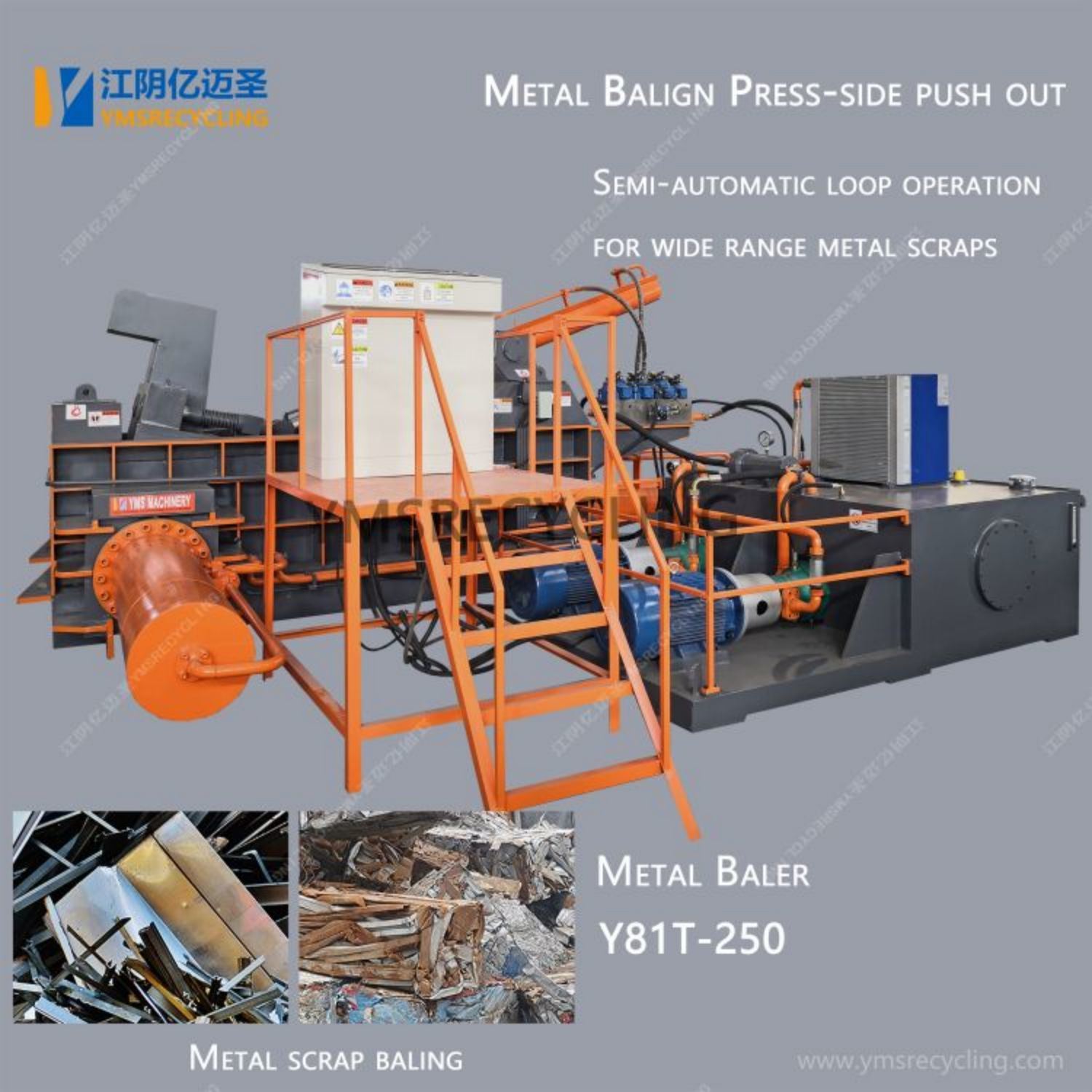
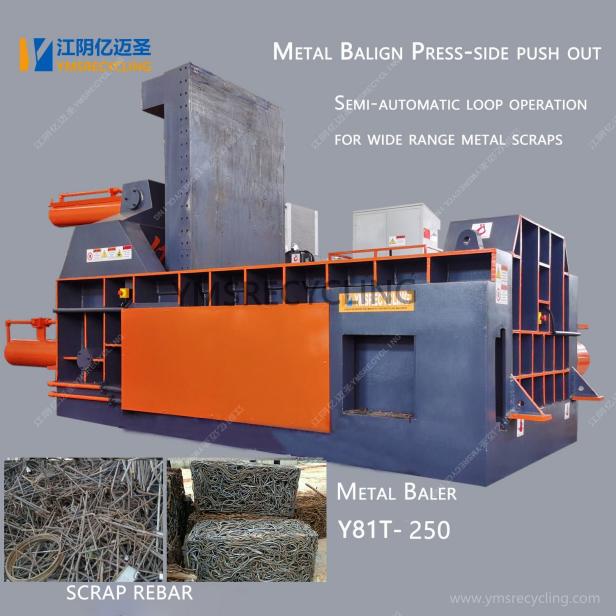
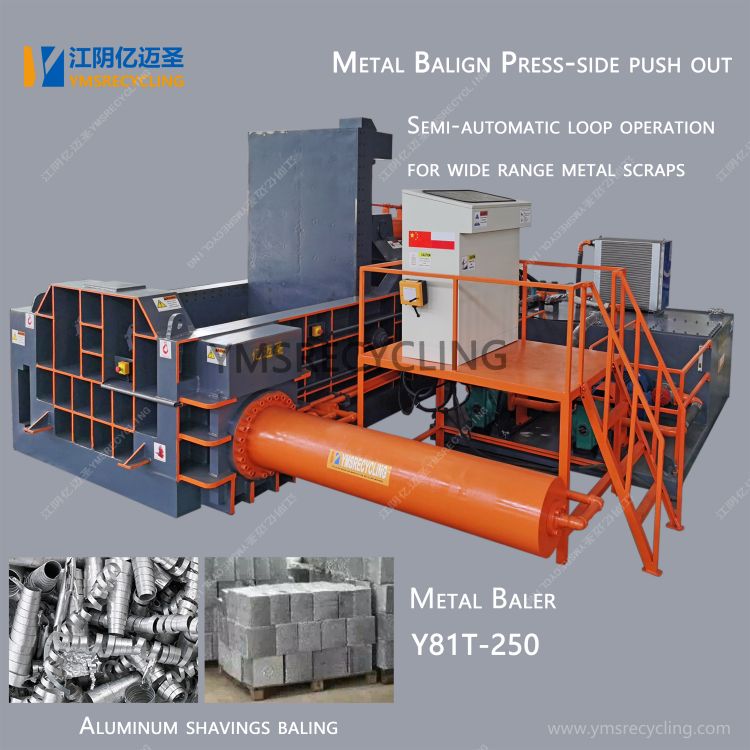
The final phase of the mechanical recycling process involves baling. Baling presses compact the sorted, loose metal scrap into high-density cubes or blocks. This step is critical for logistical efficiency, as compacted bales optimize storage space, reduce transportation costs, and make the material easier to feed directly into smelting furnaces at foundries and steel mills.
Economic and Environmental Impact of Recycling Machinery
The deployment of advanced scrap metal recycling equipment yields profound environmental and economic benefits. The primary advantage lies in energy conservation and resource preservation. Extracting metals from virgin ore is an energy-intensive process that requires extensive mining, transportation, and smelting. Recycling drastically cuts down these energy requirements.
- Recycling aluminum saves approximately ninety-five percent of the energy required to produce new aluminum from raw bauxite ore.
- Recycling copper saves around eighty-five percent of the energy compared to primary production, significantly reducing greenhouse gas emissions.
- Effective metal recovery prevents millions of tons of waste from ending up in landfills, preserving land resources and preventing soil and water contamination.
- The industry creates substantial economic value by providing a steady, domestic supply of raw materials, insulating manufacturing sectors from volatile global commodity markets.
Advanced Sorting Technologies and Recovery Efficiency
Technological advancements have revolutionized how scrap metal is sorted and recovered. Modern equipment utilizes physics and artificial intelligence to achieve near-perfect purity rates, which is vital because even minor impurities can compromise the structural integrity of remanufactured metals. The sorting process typically follows a specific sequence to isolate different material properties.
- Magnetic Separation: Overband magnets and drum magnets are employed first to effortlessly attract and extract ferrous metals, such as iron and steel, from the mixed waste stream.
- Eddy Current Separation: This technology uses a powerful magnetic field to induce an electric current in non-ferrous metals. This current creates a repulsive force that ejects highly conductive metals like aluminum and copper away from non-metallic debris.
- Sensor-Based and AI Sorting: Optical sensors, X-ray transmission, and machine learning cameras analyze the chemical composition of individual metal pieces on a conveyor belt. Air jets then precisely shoot out specific metal alloys, ensuring high-purity fractions of zinc, brass, and stainless steel.
Key Considerations When Selecting Recycling Equipment
Selecting the appropriate machinery requires a thorough evaluation of operational goals and site constraints. The equipment must align with the specific type of scrap being processed to ensure maximum efficiency and return on investment. Facility managers must consider throughput capacity, material composition, and the physical footprint of the machinery.
| Equipment Type | Primary Function | Ideal Input Material |
|---|---|---|
| Industrial Shredders | Primary size reduction | End-of-life vehicles, appliances |
| Eddy Current Separators | Non-ferrous metal recovery | Shredded mixed metal fragments |
| Baling Presses | Compaction for transport | Sorted loose scrap metal |
Equipment Maintenance and Lifecycle Management
To ensure the longevity and continuous efficiency of scrap metal recycling equipment, rigorous maintenance protocols are mandatory. The highly abrasive nature of processing metal leads to significant wear and tear on machine components. Proactive lifecycle management not only prevents catastrophic breakdowns but also maintains optimal processing speed and safety standards.
Routine inspections should focus on the most vulnerable parts of the machinery, such as shredder hammers, cutting blades, and conveyor belts. Regularly replacing worn-out components before they fail can reduce unexpected downtime by up to fifty percent. Furthermore, proper lubrication of moving parts and calibration of sensor-based sorting technologies are essential. By investing in comprehensive maintenance programs, facility operators can maximize their equipment's operational lifespan and safeguard their capital investment over the long term.